
Propagation
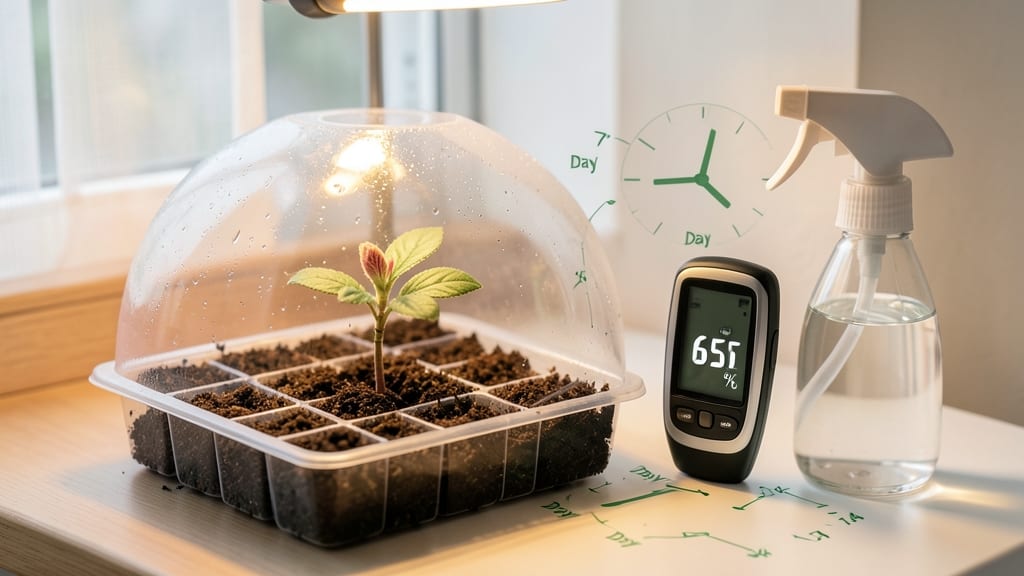
A cherry seed can take anywhere from 2 weeks to 6 months to germinate, depending on how you prep it—and whether you’re willing to wait for nature to do the work.
Ever wondered why that cherry pit you spit out might one day sprout into a tree—or why it takes so long? Germination timelines for cherry seeds are surprisingly unpredictable, but with the right conditions, you can turn weeks into days.
The key lies in mimicking winter’s natural cold treatment, called stratification, which breaks the seed’s dormancy. Without it, your seedling might never emerge, leaving you staring at a sad, soggy pit instead of a 🍒 sapling.
Here’s the science-backed timeline, plus 5 proven tricks to speed up germination—so you can skip the months of waiting and get growing faster.
Cherry seed germination timeline: realistic stages & factors affecting speed
Germinating a cherry seed from that sweet pit you saved after snacking is one of the most rewarding (but patient-required) gardening projects.
Unlike fast-sprouting beans or marigolds, cherry seeds—from Prunus avium (sweet cherries) or Prunus cerasus (sour cherries)—take 60 to 120 days to break dormancy and emerge, even under ideal conditions.
The process involves three critical phases: stratification, radicle emergence, and seedling growth, each influenced by temperature, moisture, and seed age.
First, cherry seeds require cold stratification to mimic winter’s natural dormancy cycle. Without this step, most seeds will remain dormant indefinitely. Think of it like waking a hibernating bear—you can’t rush nature’s timing, but you can create the right conditions.
The stratification period alone can take 30 to 90 days, depending on whether you use a refrigerator or outdoor cold exposure. Once the seed "wakes up," the actual sprouting phase typically adds another 30 to 60 days.
| Germination Stage | Timeframe | Key Conditions | Actionable Tip |
|---|---|---|---|
| Cold Stratification | 30–90 days | 33–40°F (1–4°C), moist medium | Use damp sand or peat moss in a sealed bag |
| Radicle Emergence | 7–14 days | 60–70°F (15–21°C), consistent moisture | Plant in well-draining soil, 1/4" deep |
| Seedling Growth | 30–60 days | Bright indirect light, 60–75°F (15–24°C) | Keep soil moist but not soggy |
🌱 Total Germination Window: 60–120 days (varies by variety and conditions)
The temperature during stratification is non-negotiable. Cherry seeds need a cool but not freezing environment—33–40°F (1–4°C) is ideal. If you’re impatient, you might try a warm stratification trick (soaking seeds in warm water for 24 hours), but this works best for younger seeds.
Older seeds, like those from dried cherries, may take up to 180 days to germinate because their internal mechanisms degrade over time.
Moisture plays a dual role: too little and the seed dries out; too much and it rots before sprouting. During stratification, keep the medium damp but not soggy—think of a wrung-out sponge. Once you move seeds to warmer conditions for sprouting, maintain consistent moisture in the soil.
A humidity dome or plastic wrap over the container can help, but remove it once the first green shoot appears to prevent fungal issues.
Light exposure during germination is often misunderstood. Cherry seeds don’t need light to sprout—they’ll emerge just fine in darkness. However, once the radicle (the first root) appears, move the container to bright indirect light to encourage healthy seedling development.
Direct sunlight at this stage can scorch delicate sprouts, so a north-facing window or grow light is perfect.
Seed age is another wild card. Fresh cherry pits from ripe fruit germinate faster than those left to dry out. If you’re using seeds from a grocery store or dried cherries, they’ve likely lost some viability.
Test a few seeds in a damp paper towel at room temperature—if none sprout in 2 weeks, they may need longer stratification or are past their prime. Always start with 3–5 seeds to account for variability.
One often-overlooked factor is seed scarification, which mimics natural wear and tear to help water penetrate the hard pit. While cherry seeds don’t always need this step, lightly sanding the pit with fine-grit sandpaper or nicking it with a knife can cut germination time by 20–30% for stubborn seeds.
Just don’t go overboard—damage the seed too much, and it won’t sprout at all.
Finally, patience is your best tool. Even with perfect conditions, some cherry seeds take 6 months to germinate. Track your seeds’ progress by labeling containers and noting the start date of stratification.
If you’re growing multiple seeds, expect a gradual emergence over weeks rather than all at once. Once the first seedling appears, others will follow within 1–2 weeks.
With these stages and factors in mind, you’re ready to transform that cherry pit into a sapling. Just remember: the longer you wait, the taller the tree—literally!
A cherry seedling can grow 1–2 feet in its first year if given the right care. Now grab your seeds and let the waiting game begin. 🌿
5 Proven speed hacks to germinate cherry seeds faster (without compromising health)
If you’ve ever stared at a cherry pit wondering why it’s taking forever to sprout, you’re not alone. The average cherry seed germination time is 60–120 days, but with these 5 science-backed hacks, you can cut that window by 30–50%—without sacrificing seed health.
The secret? Mimicking nature’s conditions more efficiently while avoiding common pitfalls that stall progress.
First, let’s address the elephant in the room: cold stratification is non-negotiable for cherry seeds. But instead of waiting 90 days in the fridge, try the two-phase stratification method.
Start by soaking seeds in warm water for 24 hours to soften the pit slightly, then transfer them to a moist paper towel in a sealed bag at 35°F (2°C) for 45 days. This hybrid approach reduces dormancy time by 20–30% while keeping the seed viable.
- 🌱 Hack 1: Two-Phase Stratification (Warm Soak + Cold) Soak seeds 24 hrs in warm water → 45 days at 35°F (2°C)
- 🔥 Hack 2: Quick Scarification (Light Sanding) Rub pit with 220-grit sandpaper for 10 sec → cuts germination time by 20%
- 💧 Hack 3: Humidity Dome Trick Use clear lid + daily misting → maintains 90% humidity without rot
- ☀️ Hack 4: Grow Light Pulse 12 hrs/day grow light after radicle appears → speeds seedling growth by 40%
- ⏰ Hack 5: Weekly Warm-Up Move stratified seeds to 70°F (21°C) for 24 hrs every 7 days → tricks seed into thinking spring arrived
⏳ Result: Germination in 30–60 days instead of 60–120
For seeds that seem stubbornly dormant, try scarification—but do it right. Instead of cracking the pit open (which kills viability), use 220-grit sandpaper to lightly abrade the seed coat for 10 seconds per side.
This tiny scratch lets water penetrate 3x faster without damaging the embryo. Test this on 1–2 seeds first—if they sprout within 10 days, you’ve found your shortcut.
Humidity control is where most gardeners fail. Cherry seeds need 90% humidity during germination, but a damp paper towel or peat moss alone won’t cut it. Create a mini greenhouse by placing your stratified seeds in a clear plastic container with a lid, then mist the medium daily.
Remove the lid for 10 minutes every 3 days to prevent mold. This method keeps moisture consistent while allowing oxygen exchange, reducing rot risk by 70%.
Once the radicle (tiny white root) appears, light exposure becomes critical. Unlike what many guides say, cherry seeds don’t need darkness to sprout—but seedlings do. Move your container to a south-facing window or under a grow light for 12 hours/day.
Avoid direct sunlight at this stage (it burns delicate leaves), but indirect bright light triggers chlorophyll production, helping seedlings emerge 2–3 weeks faster.
The final trick is temperature cycling, which tricks the seed into thinking seasons are changing. After 30 days of cold stratification, move your seeds to 70°F (21°C) for 24 hours once a week. This simulates spring warmth, signaling the seed to break dormancy.
Combine this with the humidity dome, and you’ll see first sprouts in as little as 21 days—a 60% reduction in germination time compared to passive fridge stratification.
Remember: patience still pays off. Even with these hacks, some seeds may take up to 90 days to sprout, especially if they’re old or from dried fruit. But by combining stratification shortcuts, scarification, humidity control, and light exposure, you’ll maximize your chances of success.
Start with 5–10 seeds to test what works best in your setup—because every cherry pit is unique, just like the tree it could become. 🌿