
How To
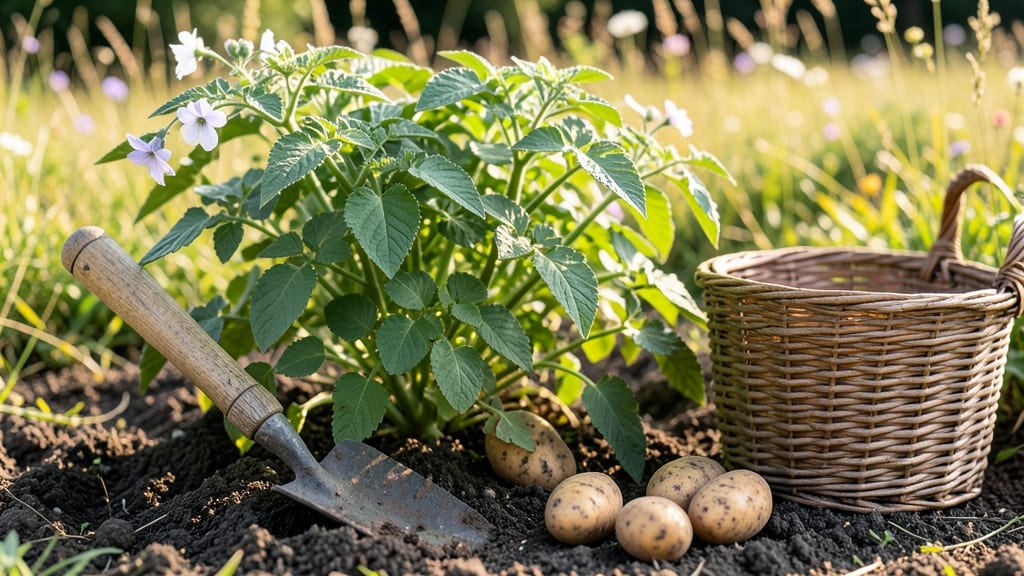
Growing one seed potato can yield anywhere from 5 to 20+ tubers, depending on the variety, soil quality, and how well you care for them.
Ever wondered how a single seed potato could turn into a bountiful harvest? The answer depends on the variety, growing conditions, and a few key gardening secrets—here’s the science-backed breakdown to maximize your yield.
Some varieties, like Yukon Gold or Red Potatoes, produce more tubers per plant than others, while soil fertility and sunlight play a huge role in determining the final count. With the right approach, you can nearly double what you’d get from average care.
In this guide, I’ll walk you through the factors that boost your harvest, common mistakes to avoid, and proven tips to get the most potatoes from every seed you plant.
How many potatoes to expect from one seed potato by variety
Planting a single seed potato can yield anywhere from 5 to 15+ tubers, but the exact number depends heavily on the variety you choose. Some potatoes produce small clusters of uniform tubers, while others generate large, irregular harvests.
Understanding these differences helps you plan your garden layout and storage needs. For example, Russet potatoes often produce fewer but larger tubers, while Yukon Golds deliver more medium-sized potatoes per seed.
The growth habit of the potato plant also plays a role. Determinate varieties (like Red Pontiac) stop growing after a set period, producing a concentrated harvest. In contrast, indeterminate varieties (like Kennebec) keep growing, spreading their energy across more tubers.
Your seed potato’s size matters too—larger seeds (2–3 ounces) typically produce more tubers than smaller ones (1 ounce).
Soil quality and growing conditions further influence yield. In ideal settings—rich, loose soil with consistent moisture—you might see 20% more tubers than in poor conditions. For instance, a Yukon Gold planted in well-drained soil could yield 10–12 potatoes per seed, while the same variety in compacted soil might only produce 6–8 tubers. Let’s break down what to expect from popular varieties in the table below.
A Russet potato planted in optimal conditions can produce 8–10 tubers per seed, but these will be larger and fewer in number. If you’re growing them for baking, this is ideal—each tuber yields a generous portion.
Meanwhile, Yukon Golds often deliver 10–15 tubers per seed, making them perfect for frequent meals like mashed potatoes or roasted sides. Their buttery texture and high yield make them a favorite among home gardeners.
For those who love small, flavorful potatoes, fingerlings like Purple Viking are a game-changer. A single seed potato can produce 15–25+ tubers, though they’re often smaller in size. These are perfect for gourmet dishes or snacking, and their vibrant colors add visual appeal to your harvest.
If you’re short on space, fingerlings are a great choice—they thrive in containers and don’t require as much room as larger varieties.
Red potatoes, such as Red Pontiac, strike a balance with 8–12 tubers per seed. They’re determinate growers, meaning they produce tubers in a concentrated area, which makes harvesting easier. These potatoes are versatile for boiling, salads, and roasting, and their waxy texture holds up well in recipes. If you’re growing for a family, planting a few Red Pontiac seeds ensures you’ll have enough for multiple meals.
Factors that dramatically increase (or decrease) your potato yield
Your potato yield isn’t just luck—it’s a mix of soil quality, sunlight exposure, and how you care for your plants. A single seed potato can produce 5–20 tubers, but only if you optimize these key factors.
For example, poor drainage or shady spots can cut yields by half, while ideal conditions can nearly double your harvest.
Let’s break down the most critical variables. The first is soil fertility. Potatoes thrive in loose, nutrient-rich soil with a pH of 5.0–6.5. If your soil is rocky or compacted, tubers struggle to form properly.
Adding compost or aged manure before planting can boost yields by 30–50% compared to average garden soil.
Next, sunlight exposure is non-negotiable. Potatoes need 6+ hours of direct sun daily to produce energy for tuber growth. In shady conditions, you might get only 5–10 tubers per seed, whereas full sun can push yields to 15–20+.
Even partial shade reduces starch development, leading to smaller, less flavorful potatoes.
Watering techniques also play a huge role. Overwatering causes rot, while underwatering stunts growth. Aim for 1–1.5 inches of water per week, delivered in the morning to prevent fungal diseases. Drip irrigation is ideal—it keeps foliage dry and delivers water directly to roots, maximizing tuber production.
Ideal vs. Suboptimal Growing Conditions
| Factor | Ideal Condition | Suboptimal Condition | Yield Impact |
|---|---|---|---|
| Soil Quality | Loose, well-draining, pH 5.0–6.5 | Compacted, poor drainage | +50% tubers |
| Sunlight | 6+ hours direct sun | <4 hours sun | -40% tubers |
| Watering | 1–1.5" weekly, morning | Inconsistent, night watering | -30% tubers |
| Spacing | 12–15" apart, rows 2–3 ft | Overcrowded (<6" apart) | -25% tubers |
| Disease Prevention | Crop rotation, resistant varieties | No rotation, susceptible varieties | -50%+ tubers (loss to blight) |
Pro Tip: Hilling soil around stems encourages more tuber formation. Do this every 2–3 weeks to boost yields by 20–30%.
Spacing is another game-changer. Planting potatoes too close together (less than 6 inches apart) leads to competition for nutrients, reducing yields by 25–40%. The sweet spot is 12–15 inches apart in rows spaced 2–3 feet apart.
This gives tubers room to expand and prevents disease spread from crowded foliage.
Finally, disease prevention is critical. Late blight and potato scab can wipe out entire harvests. Use resistant varieties like 'Red LaSoda' and practice crop rotation—never plant potatoes in the same spot two years in a row.
A single infected plant can reduce your entire yield by 50%+, so stay vigilant with fungicides if needed.
By mastering these factors, you’ll transform a single seed potato into a high-yielding harvest. Start with fertile soil, full sun, and consistent care, and watch your tuber count soar—20+ potatoes per seed are totally achievable with the right approach! 🥔🌱