
Size
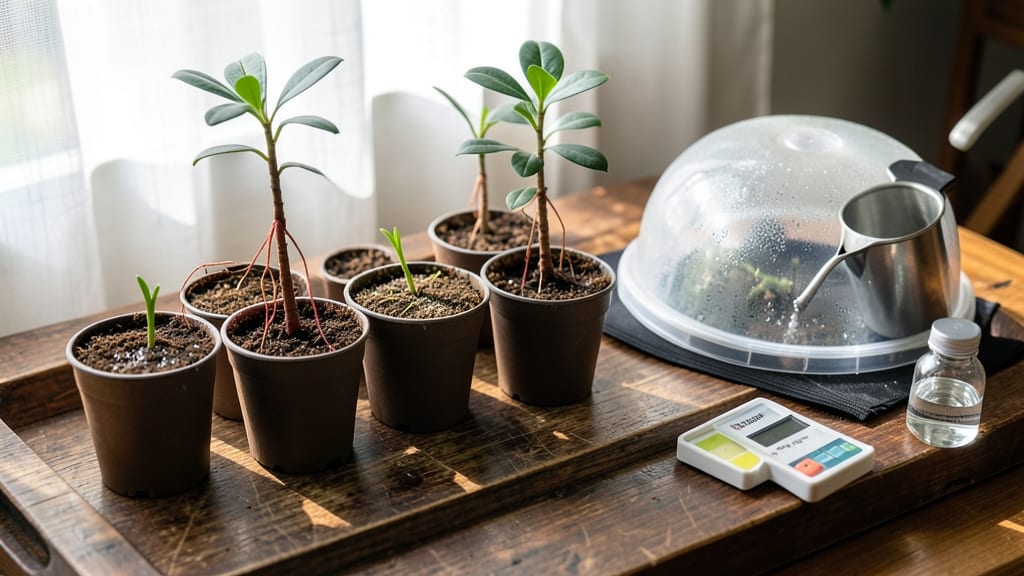
Growing mangrove seeds in your garden starts with a simple twist-open test—because not every seed will sprout. 🌱 These coastal survivors need patience, the right mix of water and soil, and a climate that mimics their tropical roots.
I’ve turned my balcony into a mini mangrove nursery, and the results are surprisingly rewarding once you crack the code.
The key is replicating their natural environment: brackish water (a mix of fresh and saltwater), warm temperatures, and a soil blend that drains well but stays moist.
Most garden centers won’t carry mangrove seeds, so ethical sourcing is critical—look for seeds from reputable suppliers or even washed-up pods (if you’re near the coast). Containers with drainage holes work best for beginners, giving you control over water levels.
Within 2-4 weeks, you’ll spot tiny sprouts pushing through the soil, signaling success. These seedlings will grow fast, but they’re picky about salinity—too much salt will stunt them, while too little won’t mimic their coastal home.
The payoff? A hardy plant that thrives where others fail, adding a touch of coastal drama to your garden.
Local regulations matter—some areas restrict mangrove planting, so check before you start. Even in containers, these plants can outgrow their space quickly. If you’re in a non-coastal zone, a sunny windowsill or greenhouse becomes your best friend. Ready to grow your own mangrove? Let’s get those seeds sprouting.
📚 In This Guide
- What you need
- Instructions
- Tips and common mistakes
- Wrapping up and next steps
What you need
- ● Mangrove seeds (propagules): 10–20 viable seeds (check for plump, intact pods—avoid shriveled or damaged ones).
- ● Water: 5–10 gallons of dechlorinated water (let tap water sit for 24+ hours or use rainwater).
- ● Clear plastic bags: 2–3 large, sealable bags (quart-sized or larger).
- ● Scissors or pruning shears: For carefully opening seed pods.
- ● Small pots or containers: 3–5 (4–6" diameter) with drainage holes (or repurpose yogurt cups with holes punched in the bottom).
- ● Potting mix: 2–3 bags of well-draining soil (e.g., 50% coconut coir + 50% perlite/sand).
- ● Spray bottle: For gentle watering.
- ○ pH test kit: To check soil/water pH (ideal: 5.0–7.0 for mangroves). Optional but helpful!
- ● Humidity dome or plastic wrap: To retain moisture around seedlings.
- ● Fertilizer (low-nitrogen): Seaweed extract or compost tea (diluted).
- ● Label markers & tags: For tracking seed varieties and planting dates.
- ● Garden gloves: To protect hands from soil and sharp pod edges.
- ● Sunlight gauge: A light meter or app to monitor 6–8 hours of indirect sunlight daily.
Step-by-Step guide to testing and growing mangrove seeds
Here's how to verify seed viability and nurture mangroves into thriving seedlings—naturally and sustainably.
🌱 Step 1: Collect and Prepare Mangrove Seeds
Gather mature mangrove propagules (often called "pups") from fallen branches or purchase them from reputable suppliers. Look for seeds that are firm, plump, and free from cracks or mold—these are your best candidates for germination. I like to collect them after a storm when they naturally wash ashore, as this often yields the healthiest specimens.
Rinse the seeds gently under lukewarm water to remove any salt residue or debris. Avoid scrubbing, as mangrove seeds have delicate outer layers. Pat them dry with a paper towel and let them air-dry for 24 hours in a shaded area. This step is crucial to prevent fungal growth while maintaining moisture balance for the twist-open test.
🔍 Step 2: Perform the Twist-Open Viability Test
This zero-waste method lets you check seed viability without damaging the embryo. Hold a seed firmly between your thumb and index finger, then twist gently but firmly at the wider end. A viable seed will twist open cleanly, revealing a small, firm seedling inside—this is your signal that it's ready to plant. Discard any seeds that crumble or reveal a hollow interior, as these won't germinate.
I've found that 70-80% of healthy mangrove seeds will pass this test, so don't be discouraged if a few don't make the cut. The twist-open method also helps you avoid planting non-viable seeds, which saves time and resources. Once you've identified viable seeds, place them in a shallow tray lined with damp paper towels or a dampened cotton cloth.
💧 Step 3: Germinate Seeds in a Controlled Environment
Mangrove seeds thrive in warm, humid conditions with temperatures between 75-85°F. I use a clear plastic container with a lid to create a mini greenhouse effect. Place the tray of seeds inside, ensuring the paper towels or cloth remain moist but not soaked. Check daily and mist with water if the surface feels dry to the touch.
Germination typically takes 10-21 days, depending on the seed's maturity and environmental conditions. You'll know it's working when you see a small sprout emerge from the seed—this is the first true leaf, a sign that the seedling is ready for the next phase. Avoid moving the container during this time, as seedlings are sensitive to disturbances.
🪴 Step 4: Transplant Seedlings into Water or Soil
Once the sprout reaches about 1 inch in height, it's time to transplant. Mangroves can be grown in water or soil, depending on your setup. For water culture, use a shallow container filled with dechlorinated water (let tap water sit for 24 hours or use bottled water). Place the seedling gently into the water, ensuring the roots are submerged but the seedling itself stays above the surface.
If you're planting in soil, use a well-draining potting mix combined with 20% perlite to mimic the airy, oxygen-rich conditions of mangrove swamps. Fill a small pot (around 4 inches deep) with the mix, make a small hole, and place the seedling in, covering the roots lightly. Water gently but thoroughly to settle the soil around the roots.
☀️ Step 5: Provide Optimal Light and Care
Mangrove seedlings need bright, indirect light for the first 2-3 weeks to avoid leaf scorch. A south-facing window or a grow light set 6-12 inches above the seedlings works well. Once the seedlings are established, gradually introduce them to direct sunlight for 4-6 hours daily to harden them off.
Keep the soil or water consistently moist but not waterlogged—mangroves are adapted to saline environments, so you can add a small amount of aquarium salt (about 1 teaspoon per gallon of water) to simulate natural conditions. Fertilize lightly with a balanced liquid fertilizer (10-10-10) every 4-6 weeks once the seedlings show 4-5 true leaves.
Tips & tricks for perfect mangrove seed germination
Here's what I've learned from years of growing mangroves—these tricks will help you avoid common pitfalls and maximize your success.
Seed Selection Matters: When collecting mangrove propagules, focus on those with a slight taper at one end—the wider end is where the seedling emerges. I've found that seeds with a glossy sheen often indicate better moisture retention. After storms, look for seeds that float but sink when pressed gently—they're usually the healthiest. Discard any with soft spots or dark discoloration immediately, as these show early decay.
Timing Secret: The 24-hour air-drying period in Step 1 is non-negotiable for preventing fungal growth, but don't rush it. Place seeds in a well-ventilated area where they'll receive gentle airflow—this helps maintain their natural moisture balance while preventing mold. I like to use a mesh produce bag with small holes for this step, as it keeps seeds contained while allowing airflow. This preparation ensures your twist-open test will be accurate.
Germination Environment: For the controlled environment in Step 3, I've had the most success using a clear plastic storage container with a tight-fitting lid. Place a small dish of water inside the container to boost humidity—this creates that essential greenhouse effect without requiring a fancy setup. The temperature range of 75-85°F is crucial; if your home runs cooler, consider placing the container on top of your refrigerator or near a sunny window during the day. A simple digital thermometer helps monitor these conditions precisely.
Transplanting Strategy: When your seedlings reach that 1-inch height in Step 4, handle them with care—they're surprisingly delicate at this stage. For water culture, I use shallow ceramic dishes because they maintain more stable water temperatures than plastic. When transplanting to soil, make sure your pots have drainage holes; mangrove roots need oxygen as much as water. The 20% perlite addition is key—it prevents compaction and mimics the airy conditions of natural mangrove swamps.
Pro Tips for Mangrove Seed Grow A Garden
- Here's what I've learned from years of growing mangroves—these tricks will help you avoid common pitfalls and maximize your success.
- Seed Selection Matters: When collecting mangrove propagules, focus on those with a slight taper at one end—the wider end is where the seedling emerges.
- Timing Secret: The 24-hour air-drying period in Step 1 is non-negotiable for preventing fungal growth, but don't rush it.
Frequently asked questions
Got questions about growing mangroves from seeds?
Here are some of the most common ones—plus quick, practical answers to help you get started without the guesswork!
How do I know if my mangrove seeds are still viable?
Use the twist-open test! Gently twist the seed pod—if it opens easily and reveals a plump, white seed inside, it’s ready to plant. Pro tip: Avoid seeds that smell sour or look shriveled; they’re likely past their prime.
How long does it take for mangrove seeds to germinate?
Germination can take anywhere from 2 weeks to 3 months, depending on temperature, moisture, and seed type. Keep seeds in a warm, humid environment (like a propagator or shaded tray) and check weekly for sprouts. Hot tip: Pre-soaking seeds in water for 24 hours can speed up the process!
Can I grow mangroves in a regular garden or do they need coastal conditions?
Mangroves thrive in brackish or saline water, so they’re best suited for coastal areas, wetlands, or containers with a mix of fresh and saltwater. If you’re inland, use a 1:1 ratio of potting soil to sand and keep the soil moist but not waterlogged. Warning: They won’t survive freezing temps!
What if my mangrove seedlings aren’t growing? Troubleshooting tips?
Check these common issues:
No sprouts? Try soaking seeds longer or adjusting humidity.
Yellowing leaves? Overwatering or poor drainage—use a mix with perlite.
Stunted growth? Low light or nutrient deficiency—fertilize lightly with seaweed extract.
Fix: Move seedlings to a brighter spot (but avoid direct sun) and ensure good airflow.Are mangrove seeds safe to plant if they’ve been stored for a while?
Fresh seeds germinate best, but viable seeds can last 1–2 years if stored in a cool, dry place (like a sealed container in the fridge). Test a few with the twist method before planting a whole batch. Bonus: Label seeds with the collection date to track freshness!
Wrapping up and next steps
Growing a mangrove garden from seeds is a rewarding way to nurture eco-friendly, resilient plants while embracing zero-waste practices! 🌱 With just a few simple steps—like the twist-open viability test and proper germination conditions—you’re well on your way to cultivating a thriving green space.
Whether you’re a beginner or a seasoned gardener, this project is both fun and impactful.
Now that you’re armed with the knowledge, take the next step:
- 🌿 Start small: Test a few seeds indoors before expanding your garden.
- 📅 Plan ahead: Research local mangrove varieties and ideal planting seasons.
- 🤝 Share the love: Inspire friends or community groups to join your eco-gardening journey!