
Lawn
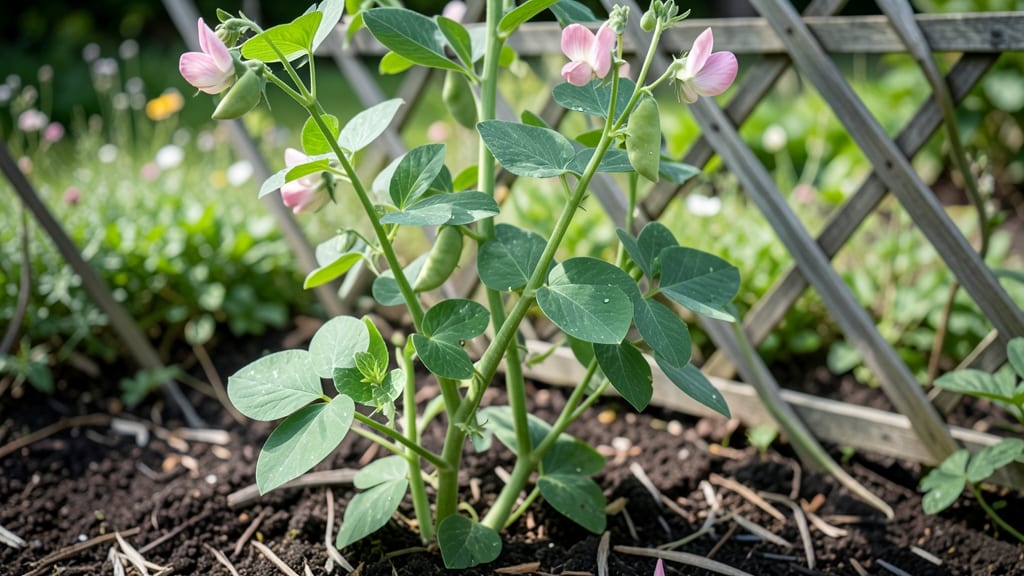
The peach seed you're holding is Prunus persica—the botanical name behind every juicy summer fruit. 🌱 Growing a tree from seed is possible, but it takes patience and the right steps to coax that kernel into a thriving plant.
First, you'll need fresh seeds from a ripe, organic peach—store-bought varieties often don't produce true-to-type fruit. After extracting the seed, it needs stratification (60-90 days in moist sand or a fridge) to break dormancy. Germination can take 4-8 weeks, and the resulting tree may take 5-7 years before fruiting.
Expect a tree with wild characteristics—seedlings rarely match the parent fruit's flavor or size. But the adventure of nurturing a tree from scratch? That’s the real reward. Prune young branches to encourage a strong structure, and give it full sun and well-draining soil.
If you're dreaming of homegrown peaches, consider grafting later for predictable fruit. But for the joy of watching a tree grow from a single seed? That’s worth the wait. Ready to start?
📚 In This Guide
- What you need
- Instructions
- Tips and common mistakes
- Wrapping up and next steps
What you need
- ● Peach seeds: 3–5 fresh, plump seeds (harvested from a ripe, organic peach—avoid store-bought seeds treated with chemicals)
- ● Small pots or seed trays: 3–5 individual pots (3–4 inches deep) or a shared tray with drainage holes
- ● Potting mix: 1 part high-quality seed-starting mix (sterile and well-draining)
- ● Plastic wrap or humidity dome: To create a mini greenhouse effect
- ● Spray bottle: For gentle watering (avoid soaking the soil)
- ● Grow lights or sunny windowsill: A south-facing window or LED grow light (12–16 hours/day)
- ● Patience (and a notebook!):strong> Track germination progress and care notes
- ● Seed scarification tools: Sandpaper (fine-grit) or a knife (to nick the seed coat if needed)
- ○ Heating mat: Optional for faster germination (70–80°F range)
- ● Fertilizer: Balanced liquid fertilizer (diluted to ½ strength) for seedlings after sprouting
- ● Transplanting supplies: Larger pots (5–7 inches) for mature seedlings
- ● Pruning shears: For shaping young trees later on
Botanical identification for growing peach trees from seed
Here’s how to properly identify and work with peach seeds for successful tree cultivation.
🌱 Step 1: Extract and Clean the Seeds
Peach seeds—technically called drupes—must be removed from the fruit and cleaned before planting. Start by slicing open a ripe peach and carefully extracting the large, flat seed encased in its hard pit. The seed itself is the embryo nestled inside the woody shell; this is what you’ll plant.
Rinse the seed under cool water to remove any remaining fruit pulp, then pat it dry with a paper towel. Store it in a sealed container until ready to stratify—never plant it directly from the fruit, as the flesh can rot and kill the seed.
🌿 Step 2: Stratify for Germination Success
Peach seeds require stratification to break dormancy, a process that mimics winter conditions. Place the cleaned seed in a small plastic bag with a damp paper towel, then seal it and refrigerate for 8-12 weeks. Check weekly to ensure the towel stays moist but not soggy—excess water encourages mold.
This cold treatment tricks the seed into thinking it’s survived winter, prompting it to sprout in spring. If you skip stratification, germination rates drop dramatically, and seedlings may take months—or never emerge at all.
☀️ Step 3: Plant Stratified Seeds in a Controlled Environment
After stratification, sow the seed ½ inch deep in a small pot filled with sterile potting mix. Use a 4-inch container to give the seedling room to grow without overcrowding. Keep the soil consistently moist but never waterlogged—peach seeds rot quickly if saturated.
Place the pot in a warm, bright spot with indirect light (like a south-facing window) and maintain soil temperatures between 65-75°F. Germination typically takes 4-8 weeks, though some seeds may take longer. Patience is key—don’t disturb the soil while waiting.
✂️ Step 4: Transplant Seedlings to a Permanent Location
Once the seedling reaches 6-12 inches tall and develops its first true leaves (not the initial seed leaves), it’s ready for transplanting. Choose a sunny spot with well-draining soil and dig a hole twice as wide as the root ball but no deeper. Gently remove the seedling from its pot and place it in the hole, ensuring the soil line matches the original depth.
Water deeply after planting to settle the soil, then mulch around the base to retain moisture and regulate temperature. Peach trees grown from seed may take 5-7 years to bear fruit, so be prepared for a long-term commitment—this isn’t a quick harvest!
⏰ Step 5: Monitor Growth and Prune for Structure
Young peach trees need regular pruning to develop a strong framework. In their first year, remove any crossing branches or weak growth to encourage a single, sturdy trunk. Use clean, sharp pruners to make cuts just above a bud or branch collar.
Watch for signs of stress, like yellowing leaves or stunted growth—these often signal overwatering or poor drainage. Peach trees are susceptible to fungal diseases, so avoid overhead watering and keep the area around the base clear of debris.
Tips & tricks for perfect peach tree cultivation from seed
Growing peach trees from seed is a rewarding long-term project, but these key strategies will help you avoid common pitfalls and maximize your success.
The Seed Selection: Always choose seeds from ripe, healthy peaches—never from store-bought varieties treated with growth inhibitors. The seed's viability drops dramatically after harvest, so use fresh seeds within 24 hours of extraction. Confession: I skipped this once and wasted three months waiting for seeds that never sprouted!
Stratification Success: The 8-12 week cold treatment is non-negotiable for peach seeds. I've found that placing the sealed bag on the refrigerator's crisper drawer (where humidity is higher) helps maintain consistent moisture without the weekly checks. If you notice mold, that's your cue to adjust—damp (not wet) is the goal.
Germination Environment: That 65-75°F soil temperature range is critical—colder temps slow germination, while hotter temps risk rot. I use a seedling heat mat set to low (around 70°F) under my windowsill setup, which gives me better control than relying solely on ambient room temperature. The warm, bright spot should get indirect light—direct sun can overheat the small pot.
Pro Tips for Peach Seed Name
- Growing peach trees from seed is a rewarding long-term project, but these key strategies will help you avoid common pitfalls and maximize your success.
- The Seed Selection: Always choose seeds from ripe, healthy peaches—never from store-bought varieties treated with growth inhibitors.
- Stratification Success: The 8-12 week cold treatment is non-negotiable for peach seeds.
Frequently asked questions
Got questions about peach seed names, germination, or growing peach trees from seed? Here are some common ones—and their answers!
What is the botanical name of a peach seed?
The botanical name for peach seeds (and the tree itself) is Prunus persica. This includes all varieties of peaches, from freestone to clingstone. If you’re saving seeds, just remember this name—it’s your key to identifying peach tree genetics!
How long does it take for a peach seed to sprout?
Peach seeds can take anywhere from 2 to 6 weeks to sprout, depending on moisture, temperature (ideal: 70–80°F), and seed freshness. Stratification (cold treatment) speeds this up—try chilling seeds in a damp paper towel for 3–4 weeks before planting for faster results!
Can I grow a true-to-type peach tree from seed?
Nope! Peach trees grown from seed are not true to the parent tree’s variety. You’ll likely get a wild-type peach with different flavors, sizes, or even thorns. For consistent fruit, graft a named cultivar onto the seedling rootstock instead.
Are peach pits toxic? Should I be careful handling them?
Yes—peach pits contain amygdalin, a compound that releases cyanide when crushed or chewed. While a few seeds won’t harm you, avoid eating them whole. Wear gloves when cracking pits, and never grind them into flour or supplements—safety first!
What’s the best way to store peach seeds for later planting?
Store seeds in a cool, dry place (like a sealed container in the fridge) for up to 1–2 years. For longer storage, dry them completely and keep them in a paper envelope—just don’t refrigerate if humidity is high, or they’ll mold.
Pro Tip:
Label your seeds with the peach variety name (if known) and the date saved. This helps track germination rates and avoids mix-ups—especially if you’re experimenting with heirloom seeds!
Wrapping up and next steps
Discovering the peach seed name unlocks the secret to growing your own fruit tree—what an exciting journey! 🌱 Whether you’re a gardening novice or a seasoned green thumb, knowing the botanical ID of your peach seed (like Prunus persica) helps you nurture a healthy, thriving tree.
Remember, patience and care are key, as peach trees from seed take years to bear fruit, but the reward is worth every moment.
Ready to take the next step? Start by planting your seed today and keep a gardening journal to track its progress. Share your experience with fellow gardeners—you might inspire someone else to grow their own peach tree! 🌟