
Lawn
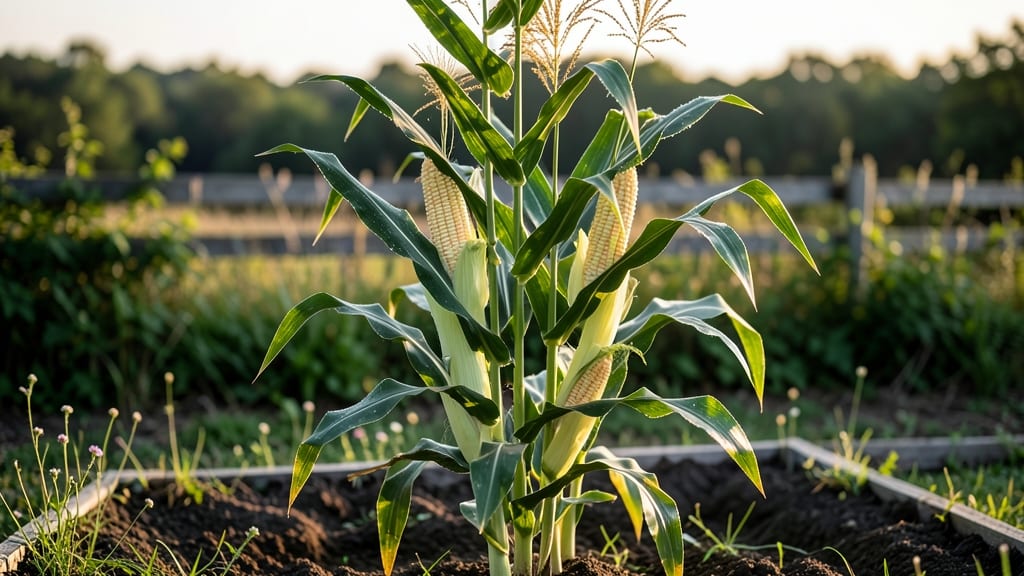
Growing Peaches and Cream corn from bulk seeds is your fastest ticket to a backyard full of sweet, golden ears 🌽—this variety germinates in just 5-7 days and thrives in bulk plantings.
Picture this: rows of lush, tall stalks yielding plump, creamy kernels by midsummer, all from a single packet of seeds. What makes this heirloom stand out isn’t just its speed—it’s the rich, buttery flavor that keeps gardeners coming back year after year.
Whether you’re a beginner or a seasoned grower, this guide covers everything from soil prep to harvest, so you can maximize your yield without the guesswork. We’ll dive into spacing, watering schedules, and even how to store those extra seeds for next year.
By the end, you’ll know exactly how to turn a handful of bulk seeds into a harvest that feeds your family—and maybe even your neighbors. Let’s get those kernels growing!
Why Peaches and Cream corn stands out among fast-germinating bulk seed varieties
When you're planning a bulk corn harvest, Peaches and Cream corn earns its place as a top choice. This heirloom variety isn’t just another sweet corn—it’s a powerhouse with 5-7 day germination, making it one of the fastest to sprout among popular varieties.
Whether you're a beginner gardener or a seasoned pro, its reliability and productivity are hard to beat.
The secret lies in its disease resistance and sweet flavor profile. Unlike many varieties that lose sweetness quickly after picking, Peaches and Cream maintains its creamy texture and peachy undertones for days. This makes it perfect for bulk planting and continuous harvests throughout the season.
Germination speed is a game-changer for gardeners. With Peaches and Cream, you’ll see sprouts in just 5-7 days—faster than Silver Queen (7-10 days) or Country Gentleman (8-12 days). This early start gives your plants a head start, maximizing your yield potential before summer heat sets in.
Comparison Table: Fast-Germinating Corn Varieties
| Variety | Germination Time | Disease Resistance | Sweetness Retention | Yield Potential |
|---|---|---|---|---|
| Peaches and Cream | 5-7 days | High | Excellent (3-5 days) | Very High |
| Silver Queen | 7-10 days | Moderate | Good (2-3 days) | High |
| Country Gentleman | 8-12 days | Low | Fair (1-2 days) | Moderate |
Its disease resistance is another standout feature. Many corn varieties struggle with fungal diseases like corn smut or leaf blight, but Peaches and Cream holds up better in humid conditions. This means fewer losses and more consistent harvest success, even in less-than-perfect growing seasons.
The flavor profile is what truly sets it apart. Unlike Silver Queen, which has a more neutral taste, Peaches and Cream delivers a rich, buttery sweetness with a hint of peach.
This makes it ideal for fresh eating, grilling, or even freezing for later use. The kernels stay tender longer, giving you more flexibility in the kitchen—or garden.
For ideal growing conditions, prioritize well-draining soil with a pH between 6.0-7.0. Peaches and Cream thrives in full sun (6-8 hours daily) and benefits from consistent moisture, especially during ear development.
Unlike some varieties that demand rich compost-heavy soil, it adapts well to average garden soil with a little extra phosphorus-rich fertilizer at planting.
If you're planting in bulk quantities, space seeds 4-6 inches apart in rows 30-36 inches apart. This spacing ensures proper airflow and reduces the risk of foliar diseases.
For succession planting, sow seeds every 2-3 weeks to extend your harvest window from mid-summer to early fall.
One of the biggest advantages of Peaches and Cream is its versatility. It performs well in containers (for small spaces) and large garden beds (for bulk harvests).
Unlike Country Gentleman, which can be finicky about soil conditions, this variety forgives minor mistakes, making it perfect for beginner gardeners or those with limited experience.
For maximum yield, aim to harvest when the silks turn brown and the kernels are milky when pierced. Peaches and Cream ears are typically ready in 75-90 days, giving you a longer harvest window than many other varieties.
Store harvested ears in the fridge for up to 5 days or freeze them for long-term preservation.
Whether you're growing for family meals, farmers' markets, or just the joy of gardening, Peaches and Cream delivers sweet rewards with minimal fuss. Its fast germination, disease resistance, and flavorful kernels make it a standout choice for any home garden or commercial plot.
🌽How to maximize your Peaches and Cream corn bulk seed harvest: planting to harvest guide
To turn your Peaches and Cream corn bulk seeds into a bountiful harvest, start with the right foundation. This variety thrives in well-draining soil with a pH between 6.0-6.8—test your soil first to avoid nutrient deficiencies.
Amend with compost or aged manure to enrich the soil before planting, as corn is a heavy feeder. The key to maximizing yield lies in these early steps, so don’t skip the prep work!
Once your soil is ready, timing is everything. Plant your bulk seeds 1-1.5 inches deep and 4-6 inches apart in rows spaced 30-36 inches apart. This spacing gives plants room to grow tall (up to 8-10 feet) while ensuring good airflow to prevent fungal diseases.
For bulk harvests, aim to plant seeds in successive batches every 2 weeks—this stretches your harvest window from July through September.
Step-by-Step Bulk Planting & Care Guide
- Step 1
- Step 2
- Step 3
- Step 4
- Step 5
- Step 6
Don’t overlook the power of succession planting—this is your secret weapon for a continuous harvest. By staggering plantings every 2 weeks, you’ll enjoy fresh ears for 6-8 weeks instead of just 2-3.
For bulk yields, dedicate a 3x6 foot bed to corn—this space comfortably fits 48 plants, yielding 20-30 ears per batch.
Throughout the growing season, watch for nutrient deficiencies like yellowing leaves (often a sign of nitrogen deficiency). A quick fix? Apply a fish emulsion fertilizer or top-dress with well-rotted manure. Mulch with straw or grass clippings to retain moisture and suppress weeds—corn hates competition for nutrients!
When harvest time arrives, prioritize timing and technique. Use a sharp knife to cut stalks 6 inches above the ear, leaving the husk intact. Store harvested ears in the fridge for up to 1 week or freeze them for long-term storage.
For bulk seed saving, let 10% of your plants mature fully, dry the ears completely, and store seeds in a cool, dark place for next year’s planting.