
Pests and Diseases
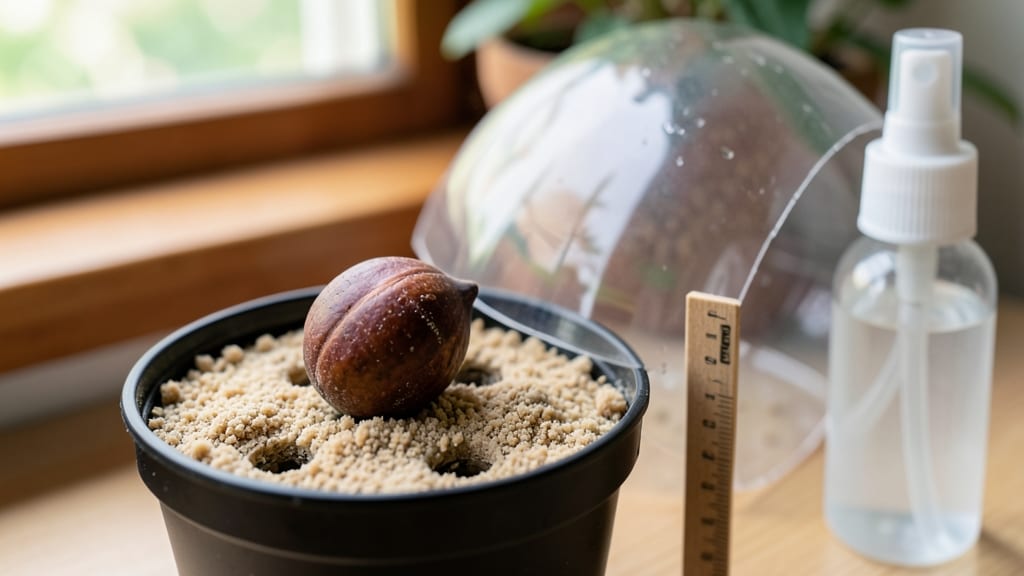
To grow a mango tree from the mango seed which side is pointed up, you must plant it with that end facing upward—this simple step can make the difference between a thriving 🥭 sapling and a failed attempt.
Struggling to get your mango seed to sprout? The secret lies in understanding how the seed’s natural orientation affects germination. Unlike many seeds, mango seeds have a clear "up" side, and planting them correctly sets the stage for faster, stronger growth.
This isn’t just guesswork—it’s rooted in biology. The pointed end contains the embryonic shoot, which needs to break through the soil first. Ignore this rule, and you might end up with a seedling that struggles to emerge or grows crooked.
Below, I’ll walk you through how to identify the seed’s orientation, the best soil and moisture conditions for fast germination, and common mistakes to avoid—so you can go from seed to sapling in no time.
How to plant a mango seed correctly: pointed end up explained
Growing a mango tree from seed is a rewarding project, but getting the seed orientation right is critical. The pointed end of a mango seed must face upward for successful germination.
This isn't just a gardening tip—it's rooted in botanical science that ensures the seedling emerges properly. Let's break down why this matters and how to do it right.
The pointed end of a mango seed is actually the radicle, the embryonic root. When planted pointed end up, the radicle grows downward into the soil, while the shoot (the other end) pushes upward toward light.
This natural positioning ensures the seedling develops correctly, avoiding stunted growth or failure to sprout. Skipping this step can lead to a seedling that struggles or never emerges at all.
Before planting, inspect your mango seed closely. The pointed end is usually more tapered and slightly narrower than the flat end. If you're unsure, soak the seed in warm water for 24 hours—the radicle will become more visible as it begins to swell.
This helps you confirm the correct orientation before planting.
Step-by-Step Guide: Planting Your Mango Seed Correctly
-
Step 1: Identify the Pointed End
Hold the seed between your fingers. The pointed end is the radicle, while the flat end is the shoot. If unsure, soak the seed overnight to reveal the radicle. -
Step 2: Prepare the Seed
Gently scrub the seed with a soft brush to remove any flesh residue. Soak it in warm water for 24 hours to soften the outer shell and speed up germination. -
Step 3: Choose the Right Container
Use a small pot (4-6 inches deep) with drainage holes. Fill it with a mix of potting soil and perlite (50/50 ratio) for optimal drainage. -
Step 4: Plant the Seed Correctly
Place the seed in the soil with the pointed end facing upward. Press it lightly into the soil, leaving the flat end exposed or just barely covered. -
Step 5: Maintain Moisture and Warmth
Keep the soil consistently moist (not soggy) and place the pot in a warm location (75-85°F). Cover the pot with plastic wrap to retain humidity. -
Step 6: Wait for Germination
Germination can take 2-6 weeks. Avoid disturbing the seed. Once a sprout appears, remove the plastic wrap and move the pot to a sunny spot.
The biological reason behind planting the pointed end up lies in the seed's natural design. The radicle is programmed to grow downward due to gravitropism, a process that helps roots anchor into the soil.
The shoot, meanwhile, responds to phototropism, growing toward light. When you plant the seed correctly, you align with these natural forces, giving your seedling the best chance to thrive.
Once your mango seedling emerges, it will need bright, indirect light for the first few weeks. Avoid direct sunlight until the seedling is a few inches tall, as intense light can scorch delicate leaves.
Afterward, gradually introduce it to full sun to harden the plant. Remember, mango trees are tropical and need warmth to grow strong.
If you're growing your mango tree in a cooler climate, consider starting the seed indoors during winter. Use a grow light if natural light is limited, and keep the soil warm with a heating mat if needed.
Patience is key—mango trees grown from seed can take 3-5 years to bear fruit, but the journey is worth it for the satisfaction of nurturing a tree from scratch.
Proper seed orientation isn't just about germination—it sets the foundation for a healthy tree. By planting the pointed end up, you're giving your mango seedling the best possible start.
With the right care, your tiny seed could one day grow into a majestic tree bearing delicious fruit for years to come.
Common mistakes when planting mango seeds and how to avoid them
Planting a mango seed the wrong way can turn your gardening dreams into disappointment. The most critical error? Ignoring the pointed end of the seed. Many gardeners assume seeds are symmetrical, but mango seeds have a natural orientation that must be respected for successful germination.
Even experienced growers sometimes overlook the importance of moisture consistency or soil depth. A seed planted too deep may never sprout, while one buried too shallowly can dry out before germination. These small details can make or break your mango tree’s future.
⚠️ callout-warning
⚠️ Biggest Mistake: Planting the Seed Upside Down
The pointed end of a mango seed must face upward—this is where the embryonic shoot develops. Planting it pointed end down forces the shoot to grow toward the soil, often resulting in a crooked or stunted seedling that may never recover.
💡 Pro Tip: Hold the seed between your fingers—the narrower, tapered end is the root end (should face down), while the wider, flatter end is the shoot end (must face up).
Another frequent mistake is overwatering during germination. While mango seeds need moisture, excess water can cause the seed to rot before sprouting. I’ve seen gardeners drown their seeds by keeping the soil soggy, thinking more water equals faster growth. In reality, consistent dampness (not saturation) is key.
Incorrect soil depth is another silent killer. Planting a mango seed too deep (more than 1 inch) can suffocate the emerging shoot, while planting it too shallow (less than ½ inch) exposes it to drying out.
Aim for a ¾-inch depth—this gives the seed enough support while allowing the shoot to break through easily.
Even after germination, many gardeners make the error of transplanting too soon. A young mango seedling has delicate roots that can break if moved before it’s 3-4 inches tall with a few true leaves. Rush this step, and you risk shocking the plant, stunting its growth for months.
Finally, neglecting warmth and humidity can sabotage your efforts. Mango seeds thrive in warmth (75-85°F) and high humidity. Without these conditions, germination can take weeks longer or fail entirely. Use a clear plastic bag over the pot to trap moisture if your climate is dry.