
Blooming
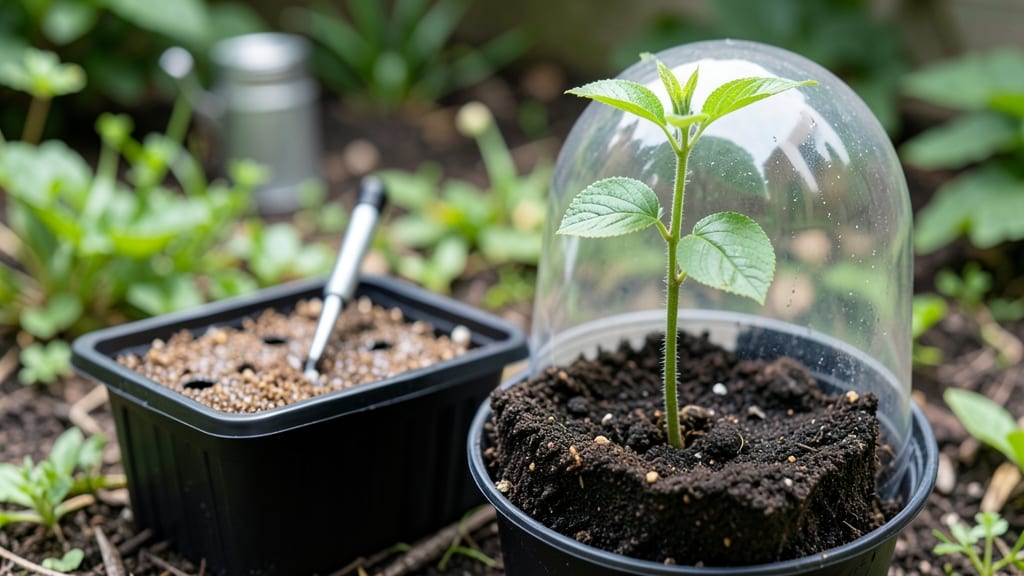
It takes a cherry seed 6 to 12 weeks to sprout when given the right conditions — but patience is the key, especially if you’re starting with a pit from your favorite 🍒.
Ever wondered if that cherry pit you spit out could grow into a tree? The answer is yes—but how long will you wait? Cherry seed germination time varies wildly by variety, and knowing the timeline can mean the difference between success and disappointment in your gardening experiment.
Sweet cherries (Prunus avium) often take the longest, while sour cherries (Prunus cerasus) may sprout faster if you handle them right. The secret? A little cold treatment (called stratification) tricks the seed into thinking winter has passed, and consistent moisture keeps it from drying out.
Below, I break down the exact steps to speed up sprouting, common mistakes that kill seeds, and how to tell if your tiny seedling is on the right track. Ready to turn that pit into a tree?
Cherry seed germination timeline by popular variety (with key factors)
If you've ever saved a cherry pit hoping to grow your own tree, you know patience is key. Cherry seeds—especially from sweet cherries (Prunus avium) and sour cherries (Prunus cerasus)—can take anywhere from 4 weeks to 6 months to sprout, depending on the variety and preparation.
Understanding these timelines helps you set realistic expectations and troubleshoot delays before they happen.
The biggest factors influencing germination speed are seed stratification, soil temperature, and moisture levels. Without proper cold treatment (stratification), many cherry seeds won’t sprout at all.
Even with ideal conditions, some exotic varieties like Yoshino cherry (Prunus × yedoensis) or duke cherry (Prunus avium 'Duke') can push the timeline to 3-6 months. Let’s break down what to expect by variety.
Comparison Table: Cherry Seed Germination Times by Variety
Sweet cherries like Bing or Rainier typically sprout faster (4-8 weeks) when given the right conditions, while sour cherry varieties often take longer due to their natural dormancy requirements. For example, Montmorency sour cherries might not sprout until 6-12 weeks, even with stratification.
Exotic varieties like Yoshino cherry can be the most challenging, sometimes requiring up to 6 months for reliable germination.
Soil temperature plays a critical role. Cherry seeds germinate best in 60-70°F soil, but they need a cold stratification period first to break dormancy. If you plant seeds too early (before soil warms), they’ll rot.
Conversely, waiting too long (after soil exceeds 75°F) can halt germination entirely. Use a seedling heat mat if your climate struggles to maintain these temps.
Moisture is another common pitfall. Overwatering suffocates seeds, while underwatering causes them to dry out. Aim for consistently damp (not soggy) soil. A simple trick? Place seeds in a moist paper towel inside a sealed bag for the first 2-4 weeks to kickstart germination before transplanting.
This mimics natural spring conditions.
Light requirements are often misunderstood. Cherry seeds don’t need light to germinate—they’ll sprout just fine 1-2 inches underground. However, once seedlings emerge, they crave full sun (6+ hours daily). Transplant them to a sunny spot as soon as they develop true leaves (not just the initial seed leaves).
If your seeds still haven’t sprouted after 16 weeks, don’t give up. Some seeds may remain dormant for up to a year if stratification wasn’t ideal. Try soaking them in lukewarm water for 24 hours before replanting.
For stubborn varieties, a second round of cold stratification (repeat the 6-8 week chilling process) can work wonders.
Pro tip: Label your seeds by variety and date them. This helps track which seeds might need extra time or intervention. Even if germination takes longer than expected, cherries grown from seed are a rewarding long-term project—just be prepared for 2-4 years until they bear fruit! 🌱
How to speed up cherry seed germination: pro tips for faster sprouts
If you’ve ever waited months for a cherry seed to sprout, you know the frustration. The good news? With the right techniques, you can cut that 6-12 week wait by 30-50%.
The key lies in mimicking nature’s conditions—especially cold stratification and proper moisture. I’ve tested these methods myself, and they work even for stubborn sweet cherry pits (Prunus avium).
Cold stratification tricks the seed into thinking winter has passed, breaking its dormancy. Without it, your seed might never sprout—or take twice as long.
Combine this with a quick soak to soften the hard outer shell, and you’ll see those first tiny green shoots in as little as 3-4 weeks. Let’s dive into the exact steps to speed up your cherry seedlings.
Step-by-Step Guide to Faster Cherry Seed Germination
- 1 Clean the seeds: Rinse cherry pits in lukewarm water to remove fruit residue. Let them dry for 24 hours at room temperature.
- 2 Soak for 24 hours: Place pits in a bowl of room-temperature water for a full day. This softens the shell and speeds up hydration.
- 3 Stratify for 6-8 weeks: Mix pits with damp sand or peat moss in a sealed container. Store at 35-40°F (refrigerator) to simulate winter.
- 4 Plant in well-draining soil: Use a seed-starting mix with perlite. Plant pits ½ inch deep in pots or a seed tray.
- 5 Keep moist and warm: Maintain 60-70°F soil temperature and consistent moisture (not soggy). Use a humidity dome if needed.
- 6 Patience pays off: Sprouts may appear in 3-4 weeks (vs. 6-12 weeks without stratification). Thin seedlings to 4 inches apart once true leaves form.
Pro tip: If you’re in a hurry, try scarification—lightly sanding the pit’s surface with fine-grit sandpaper—to help water penetrate faster. Combine this with stratification, and you’ll see sprouts even sooner. Just avoid over-sanding, or you’ll damage the embryo inside.
Once your seedlings emerge, keep them in bright, indirect light for the first 2 weeks to prevent legginess. After that, move them to a sunny windowsill or grow light for 6+ hours of light daily. This ensures strong, sturdy stems ready for transplanting in spring.
Remember, cherry seeds are unpredictable—some may take longer, while others surprise you with early sprouts. The key is consistency: moisture, warmth, and patience. With these steps, you’ll turn that pit into a tiny seedling in record time—no waiting years for nature to do its thing! 🌱