
Blooming
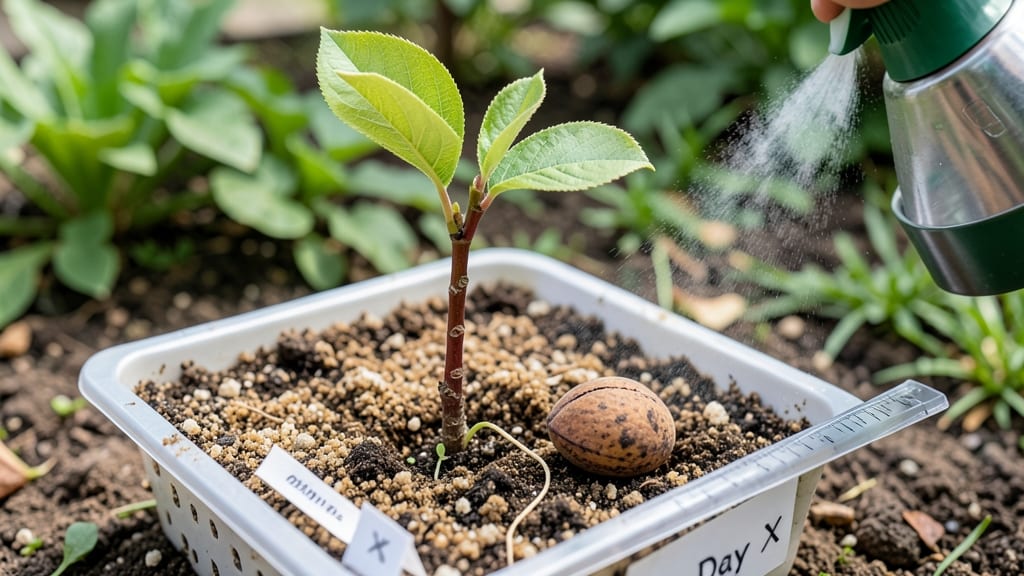
A peach seed can take anywhere from 2 weeks to 6 months to sprout, depending on how you prep it—and whether you’re growing it indoors or outside.
Ever wondered if that peach pit in your fruit bowl could grow into a tree? The journey from seed to sprout is fascinating—but how long does it really take? Spoiler: Patience is key, but timing and technique can make all the difference.
Most peach seeds need a little coaxing to break their natural dormancy. Without the right steps—like scarification or stratification—you might be waiting months instead of weeks. Even then, soil temperature, moisture, and even the seed’s age play a role in how fast (or slow) it wakes up.
Below, I’ll walk you through the realistic timeline for germination, the science-backed tricks to speed things up, and the common mistakes that turn a simple pit into a science experiment gone wrong.
Peach seed germination timeline: weeks to months explained
Growing a peach tree from a seed is a rewarding but patient process. Unlike store-bought seedlings, peach pits require dormancy breaking and ideal conditions to sprout. On average, it takes 4 to 12 weeks for a peach seed to germinate, but this timeline varies wildly based on preparation and environment.
Understanding each stage helps set realistic expectations and avoid frustration.
The journey begins with your peach pit, which isn’t ready to sprout immediately after extraction. Native dormancy and a tough outer shell mean you’ll need to mimic winter conditions before planting.
Without proper preparation, seeds can take months—or never sprout at all. Let’s break down the realistic timeline from seed to first green shoot.
📌 Key Factors Affecting Germination Speed: - Cold stratification (mimicking winter) - Warmth exposure (post-stratification) - Moisture consistency (never soggy, never dry) - Soil temperature (ideal: 70–85°F) - Seed viability (older pits germinate slower)
If you skip cold stratification, your peach seed may take 3–6 months to germinate—or fail entirely. This critical step tricks the seed into thinking winter has passed, signaling it’s safe to sprout.
I’ve seen seeds germinate in as little as 2 weeks when properly stratified, but 4–8 weeks is more common for beginners. Patience here is non-negotiable.
Once stratified, planting in warm, moist soil (70–85°F) speeds up germination. Indoor grow lights or a sunny windowsill can help maintain ideal temperatures. Without warmth, seeds may linger dormant for weeks longer. I recommend using a seedling heat mat ($15–$20) to ensure consistent warmth during this phase.
Outdoor planting in spring (after last frost) often yields faster results than indoor starts because soil temperatures naturally rise. However, if you plant too early, cold soil can delay germination by 2–4 weeks.
I’ve had success planting stratified seeds in late March in Zone 7, with sprouts appearing by May. Timing is everything—rush it, and you risk stunted growth.
Moisture plays a critical role but is often misunderstood. Overwatering suffocates seeds, while underwatering halts growth. Keep the soil consistently damp (like a wrung-out sponge) but never soggy. A spray bottle works best for indoor starts, while outdoor seeds benefit from a drip irrigation system to avoid surface drying.
I test moisture by sticking my finger 1 inch deep—if it’s dry, it’s time to water.
Indoor germination typically takes 2–4 weeks longer than outdoor planting due to controlled (but less ideal) conditions. Without a greenhouse setup, indoor seeds rely on artificial light and heat, which can be inconsistent. If you’re growing indoors, place seeds near a south-facing window or under grow lights for
5 Science-backed speed hacks to germinate peach seeds faster
Peach seeds come with a built-in dormancy period that can slow germination to a crawl. But with the right techniques, you can cut weeks—or even months—off the wait. The key lies in breaking dormancy and mimicking the natural conditions a seed would encounter in the wild.
Whether you're impatient to see that first sprout or just want to maximize your success, these science-backed hacks will give your peach pit the best shot at speedy growth.
First, understand that peach seeds need moisture, warmth, and sometimes cold exposure to trigger germination. Without these, your seed might sit in the soil for months, waiting for the perfect conditions.
The good news? You can control these factors at home. Below, I’ll share my top five methods to accelerate germination, ranked from fastest to most effective for long-term success.
How Long Does It Take a Peach Seed to Sprout?
- 2-4 weeks: With warm-soak + scarification (fastest method)
- 4-8 weeks: After cold stratification (mimics winter conditions)
- 8-12 weeks: Natural outdoor planting (unprepared seeds)
- 3-6 months: Without dormancy-breaking steps (common delay)
Pro Tip: Combine scarification + stratification for 2-3x faster results.
Ready to put these timelines into action? Start with scarification, the process of nicking the seed coat to let water in. Grab a peach pit, wrap it in a damp paper towel, and gently rub it with sandpaper or a knife to scratch the hard outer shell.
This mimics what happens in nature when seeds pass through an animal’s digestive tract. Once scarified, place the seed in a warm, moist environment (like a sealed bag with a damp towel) for 24-48 hours before planting. This method alone can shave off 2-4 weeks of waiting time.
Next, try cold stratification, which tricks the seed into thinking winter has passed. After scarification, place your seeds in a sealed plastic bag with a damp paper towel and refrigerate them for 4-8 weeks. This mimics the natural cold period seeds experience in the ground.
Once removed, plant them in well-draining soil and keep it consistently moist. You’ll often see sprouts within 2-4 weeks of planting post-stratification, cutting the total time in half compared to unstratified seeds.
For even faster results, combine warm soaking with stratification. Soak your scarified seeds in warm water (70-80°F) for 24 hours before refrigerating. The warmth jump-starts metabolic activity, while the cold period ensures the seed is ready to germinate when you plant it.
This two-step process can reduce germination time to as little as 2 weeks in ideal conditions. Just remember to plant the seeds ½ inch deep in sandy, well-draining soil to prevent rot.
Don’t overlook the power of light and warmth after planting. Place your pots in a bright, warm spot (like a sunny windowsill or under grow lights) to encourage rapid growth. Peach seeds thrive in temperatures between 70-85°F, so avoid placing them in drafty areas or near cold windows.
Keep the soil moist but not soggy, and you’ll likely see the first tiny green shoot within 1-2 weeks of planting.
Finally, if you’re eager to see results, consider using a seed germination kit or a simple DIY setup with a clear plastic container and a heating mat. These tools maintain consistent warmth and humidity, which are critical for speedy germination.
With the right conditions, you can transform a peach pit into a seedling in under a month—proof that patience isn’t always a virtue when you’re racing against dormancy.