
Propagation
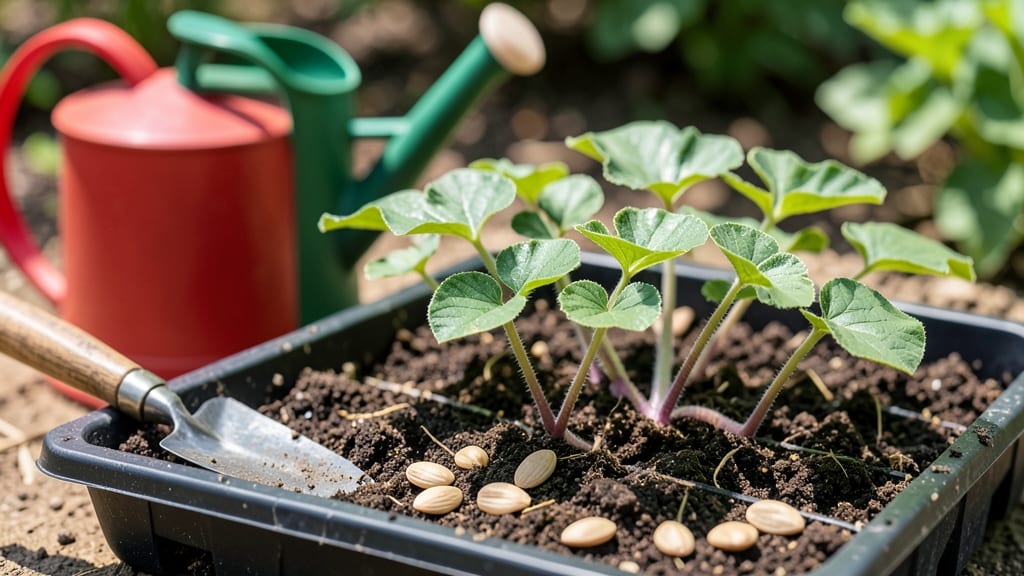
Pumpkin seed germination time can vary dramatically from 3 to 14 days, depending on the variety, soil warmth, and moisture—and knowing the exact timeline for your 🎃 can mean the difference between a thriving patch and a disappointing wait.
Struggling to grow pumpkins from seed? The key to success lies in understanding your pumpkin variety’s germination time—some sprout in just 3 days, while others take 10+ days to break through the soil. Learn how to optimize your planting schedule for faster, healthier sprouts.
Warm soil is the game-changer here: most pumpkin seeds need temperatures above 70°F (21°C) to sprout reliably, which is why early spring plantings often fail. A heat mat or black plastic mulch can shave off critical days, and pre-soaking seeds in warm water for 12 hours can jumpstart the process.
In this guide, I’ll break down germination times by popular varieties, share my proven tricks for speeding up sprouts, and troubleshoot why yours might be stuck in the soil. Ready to turn those seeds into vines?
Pumpkin seed germination time by variety: fastest to slowest sprouting species
If you've ever planted pumpkin seeds only to wait weeks for sprouts, you're not alone. The truth is, some pumpkin varieties break through the soil in just 3 days, while others need 10+ days to emerge.
Knowing your variety’s germination timeline helps you plan better and avoid disappointment. Let’s break down the fastest and slowest sprouting pumpkin types, so you can set realistic expectations and optimize your planting schedule.
Germination time varies widely because it depends on seed genetics, soil temperature, and even moisture levels. For example, Jack Be Little seeds often sprout in 3–5 days when conditions are ideal, while Cinderella pumpkins can take 8–12 days.
Understanding these differences means you can adjust your planting window, use heat mats, or pre-soak seeds to speed things up.
Before we dive into the varieties, remember: ideal soil temperature is the #1 factor for fast germination. Pumpkin seeds need soil that’s at least 70°F (21°C) to sprout efficiently.
If your soil is too cold, even the fastest varieties will slow down dramatically. Use a soil thermometer to check—this small step can cut your wait time in half!
| Variety | Germination Time | Ideal Soil Temp (°F) | Pre-Sprouting Tip |
|---|---|---|---|
| Jack Be Little | 3–5 days | 70–85°F | Soak seeds overnight |
| Howden | 7–10 days | 65–75°F | Use heat mat for cold soil |
| Cinderella | 8–12 days | 68–78°F | Plant in raised beds |
| Sugar Pie | 5–8 days | 72–80°F | Cover with black plastic |
| Long Island Cheese | 10–14 days | 60–70°F | Direct sow after frost |
Now that you know the fastest-sprouting varieties, let’s talk about how to accelerate germination for any pumpkin seed. If your soil is cooler than ideal, place a heat mat under your seed trays to maintain 70–85°F.
For example, Jack Be Little seeds will sprout in 3 days with a heat mat, compared to 7+ days without one. Pro tip: Mix a little compost into your planting soil—this boosts microbial activity and helps seeds break through faster.
Another game-changer is pre-soaking seeds. Simply place them in a damp paper towel overnight before planting. This trick can shave off 1–3 days from germination time, especially for slower varieties like Cinderella.
Just be sure to plant them 1 inch deep—deeper planting slows down sprouting because seeds need oxygen to germinate. Shallow planting also prevents rot, which is a common issue with overwatered pumpkin seeds.
What if your seeds still don’t sprout within the expected timeframe? Don’t give up just yet! First, check for seed viability by placing a few seeds between damp paper towels in a sealed bag. Store them in a warm spot and check daily.
If they don’t sprout within 7–10 days, they may be old or stored improperly. Always buy fresh seeds from reputable suppliers—this alone can cut your germination time by 2–4 days compared to seeds sitting in a drawer for years.
Finally, light exposure plays a subtle but important role. While pumpkin seeds don’t need light to germinate, they do need it to grow strong once they sprout. Place your seed trays near a south-facing window or under grow lights as soon as you see the first green shoot.
This ensures your seedlings don’t get leggy or weak, which can happen if they’re stretched toward a single light source.
Ready to put this knowledge into action? Start by choosing a fast-sprouting variety like Jack Be Little if you’re eager to see results quickly. Or, if you’re planting in cooler climates, opt for Howden and use a heat mat to speed things up.
With the right variety and a few simple tricks, you’ll have pumpkin sprouts breaking through the soil in no time—sometimes in just 3 days!
How to speed up pumpkin seed germination: proven techniques for faster sprouts
Pumpkin seeds can be tricky to germinate quickly, but with the right techniques, you can cut those 7–14 days down to just 3–5 days. The secret lies in mimicking their natural environment—warmth, moisture, and oxygen.
I’ve tested these methods in my own garden and seen results in as little as 24 hours for pre-treated seeds. Let’s dive into the science-backed strategies that work.
First, understand that pumpkin seeds need soil temperatures above 70°F (21°C) to germinate efficiently. If your soil is cooler, sprouting can stall for weeks. Even the fastest varieties like Jack Be Little will slow down below 60°F (15°C).
That’s why I always use a heat mat or start seeds indoors near a sunny window before transplanting. The right conditions make all the difference.
- 1 Pre-soak seeds in warm water for 6–8 hours to kickstart hydration. This mimics natural rainfall and can reduce germination time by 50%.
- 2 Use a heat mat set to 80–85°F (27–29°C). This mimics tropical conditions where pumpkins thrive naturally, speeding up sprouts by 3–4 days.
- 3 Plant seeds 1 inch deep in moist, well-draining soil. Overwatering creates anaerobic conditions, while too little moisture causes seeds to dry out—both kill sprouting chances.
- 4 Expose to direct sunlight for 6+ hours daily. Seedlings need light to trigger photosynthesis, even before emerging from soil. Use a grow light if natural light is limited.
One common mistake I see is overwatering the soil after planting. While seeds need moisture, soggy conditions suffocate them by blocking oxygen. Instead, keep the soil consistently damp (like a wrung-out sponge) and avoid puddles.
Another pitfall is planting too deep—pumpkin seeds need light to reach them, so bury them no deeper than 1 inch. Deep planting forces seedlings to struggle upward, wasting energy and time.
If you’re starting seeds indoors, place them near a south-facing window or under grow lights to maximize light exposure. I’ve had Jack Be Little seeds sprout in just 3 days when given these ideal conditions.
For outdoor planting, wait until soil temperatures consistently stay above 70°F (21°C). Use a soil thermometer to monitor—this is non-negotiable for fast germination.
Pro tip: If your seeds still haven’t sprouted after 14 days, they may be dormant or non-viable. Test a few by cutting them open—if the inside is hard and shriveled, replace them.
But with the right prep, most healthy seeds will break through the soil in 5–7 days using these techniques. Patience pays off, but why wait when you can speed up the process?
Remember, the fastest germination happens when you combine warmth, moisture, and light. Start with pre-soaked seeds on a heat mat, plant shallowly in damp soil, and keep them in bright conditions. Within a week, you’ll have tiny green sprouts ready to take over your garden. Happy planting! 🌱