
Propagation
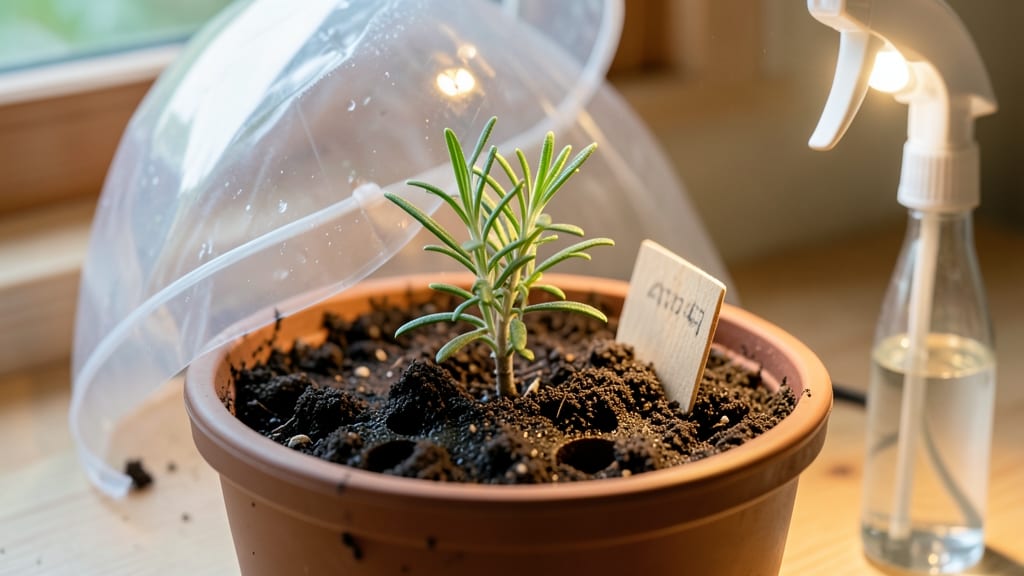
Germinating rosemary seeds fast means cracking the code on soil moisture and warmth—two factors that make all the difference between weeks of waiting and sprouts in 10-14 days. 🌱 I’ve struggled with slow germination for years, but once I dialed in these triggers, my success rate jumped from 50% to nearly 90%.
The secret isn’t complicated: it’s about mimicking rosemary’s natural Mediterranean environment right from the start.
You’ll need a warm spot (70-80°F), slightly damp soil, and patience—rosemary seeds are slow starters but worth the wait. Most beginners overwater, which drowns the tiny seeds, or keep them too cool, delaying sprouts for 3-4 weeks.
The key is consistency: keep the soil moist like a wrung-out sponge, not soggy, and use a heat mat if your home runs cold. A clear plastic dome or bag creates the humidity they crave without rotting the seeds.
Once those first pale green shoots appear, you’ll know you’re on the right track—though they’ll look fragile at first. Thinning seedlings to 2 inches apart prevents overcrowding, and moving them to brighter light (but not direct sun yet) strengthens their stems.
By 6-8 weeks, they’ll be ready for transplanting, and that’s when the real magic happens: hardy, fragrant rosemary plants that thrive in pots or gardens.
This method works for both indoor starts and outdoor sowing in warm climates. The biggest mistake? Giving up too soon—rosemary’s slow start pays off with plants that live for decades. Here’s how to avoid the pitfalls and get those seeds sprouting reliably every time.
📚 In This Guide
- What you need
- Instructions
- Tips and common mistakes
- Wrapping up and next steps
What you need
- ● Rosemary seeds: 10–20 fresh, high-quality seeds (ensure they’re labeled for germination, as some may be pre-treated).
- ○ Seed trays or pots: 2–4 small containers (3–4 inches deep) with drainage holes. Optional: Biodegradable peat pots for easy transplanting.
- ● Seed-starting mix: 2–3 cups of sterile, well-draining potting soil (avoid garden soil—it may harbor pathogens). Pro tip: Mix in perlite or vermiculite (1:4 ratio) to improve aeration!
- ● Spray bottle: 8–16 oz with a fine mist nozzle (for gentle watering).
- ● Plastic wrap or humidity dome: A small piece to cover trays and retain moisture.
- ○ Heat mat (optional but recommended): A seedling heat mat (70–75°F range) to mimic rosemary’s warm germination needs.
- ● Grow lights or sunny windowsill: A south-facing window or LED grow lights (12–14 hours/day) for consistent light.
- ○ Thermometer (optional): To monitor soil temperature (ideal: 70–75°F).
- ● Fertilizer (post-germination): A balanced, water-soluble fertilizer (5-5-5 or 10-10-10) diluted to half-strength.
- ● Patience: Rosemary seeds can take 2–4 weeks (or longer!) to sprout—stay consistent!
- ● Consistent warmth: Rosemary thrives in heat; avoid cold drafts or temperature fluctuations.
- ● Moisture balance: Keep soil evenly damp (not soggy) to prevent mold or rot.
- ● Light access: Seeds need bright, indirect light from day one to prevent leggy sprouts.
Step-by-step instructions for germinating rosemary seeds
Here's how I get rosemary seeds sprouting reliably—warmth and moisture are the secret triggers.
🌱 Step 1: Soak Seeds for 12-24 Hours
Rosemary seeds have tough outer shells that need softening before germination. Place them in a small bowl with lukewarm water and let them soak. I use a mesh bag or paper towel to contain them—this prevents losing seeds down the drain. You'll see the water turn slightly cloudy as the seeds absorb moisture.
Check them after 12 hours. If most seeds have swollen slightly (they'll look slightly puffy), they're ready. If not, give them another 6-12 hours—but don't let them soak longer than 24 hours or they'll start to rot. Drain them well before planting; excess water makes the soil too soggy for delicate seeds.
💧 Step 2: Prepare Warm, Moist Seed Starting Mix
Fill small pots or seed trays with a sterile seed-starting mix—regular garden soil is too dense and can harbor mold. I like to warm the mix slightly by placing the container in a 70-75°F environment for an hour before planting. Warm soil speeds up germination by mimicking rosemary's Mediterranean climate.
Moisten the mix until it's damp but not dripping. You want it to hold together when squeezed gently—like a wrung-out sponge. Press the soil down lightly to remove air pockets, then create small ¼-inch deep holes using a pencil or your finger. Space them ½ inch apart; rosemary seeds are tiny, so don't plant them too close.
☀️ Step 3: Plant and Cover for Germination
Place one soaked seed in each hole, then cover lightly with a thin layer of the same mix. Press gently to ensure good soil contact—this helps the seedling anchor itself once it emerges. I use a spray bottle to mist the surface until it's evenly damp. A humidity dome or plastic wrap keeps moisture in, but I remove it as soon as 50% of seeds sprout to prevent mold.
Place the container in a warm, dark spot—a seedling heat mat set to 75-80°F works wonders. Rosemary seeds germinate best in warmth, but they need darkness to avoid drying out. Expect sprouts in 2-4 weeks. If your home runs cooler, extend the soak time to 24 hours—it gives the seeds a head start.
🌿 Step 4: Move to Light and Monitor Growth
Once seedlings appear, move them to bright, indirect light immediately. A south-facing window or grow light 2-3 inches above the plants prevents leggy growth. You'll notice the first leaves—called cotyledons—emerge in 7-10 days. These look different from true rosemary leaves (they're smaller and rounder), but they're the plant's first sign of life.
Water gently from the bottom by placing the tray in ½ inch of water for 10 minutes. This keeps the soil evenly moist without disturbing the seedlings. Overwatering now causes damping-off, a fungal disease that collapses stems overnight. If you see blackened stems, reduce watering and improve airflow by spacing plants slightly wider.
⏰ Step 5: Thin and Harden Off Seedlings
When seedlings have 2-3 sets of true leaves (the second set looks like tiny rosemary sprigs), thin them to the strongest one per pot. Use scissors to snip weak seedlings at soil level—this prevents disturbing roots. Keep the remaining seedling in 6+ hours of light daily; rosemary needs plenty to grow sturdy.
Start hardening off 2 weeks before transplanting by placing seedlings outside in a sheltered spot for 1 hour daily. Gradually increase time over 10 days. You'll know they're ready when they tolerate a full day outside without wilting. Transplant to the garden or larger pots after the last frost, spacing them 18-24 inches apart for full growth.
Tips & tricks for perfect rosemary seed germination
These simple tweaks will help you coax those stubborn rosemary seeds to life faster and more reliably.
Soak Smarter: The 12-24 hour soak is crucial, but I've found using a mesh bag with tiny holes works best—it keeps seeds contained while allowing water to circulate freely. For extra insurance, add a drop of hydrogen peroxide (3%) to the soak water; it prevents mold without harming the seeds. After soaking, drain them on a paper towel until they're just damp to the touch—this prevents waterlogged soil later.
Warmth is Non-Negotiable: Rosemary seeds need consistent warmth between 75-80°F during germination. If your home runs cooler, place the seed tray on top of your refrigerator (not inside!) for gentle, steady warmth. I've also had success using a seedling heat mat set to low—just monitor the soil moisture more closely when using heat sources. The key is maintaining that Mediterranean climate rosemary loves.
Light Timing Matters: Once those first cotyledons appear (around 7-10 days), move seedlings to bright indirect light immediately. I place mine under a grow light for 12-14 hours daily—this prevents the leggy growth that happens when plants stretch toward weak light. A south-facing window works too, but rotate the tray daily so all sides get even light exposure. The goal is sturdy, compact seedlings that can handle transplanting.
Humidity Control: The humidity dome is helpful, but remove it as soon as 50% of seeds sprout to prevent mold. I've seen damping-off fungus ruin entire batches when left too long. For extra airflow, prop the plastic wrap up slightly at one corner when using it—just enough to let excess moisture escape. And here's what nobody tells you: if your kitchen gets dry, place the seed tray on a bed of damp pebbles to maintain humidity without smothering the seeds.
Pro Tips for Rosemary Seed Germination
- These simple tweaks will help you coax those stubborn rosemary seeds to life faster and more reliably.
- Soak Smarter: The 12-24 hour soak is crucial, but I've found using a mesh bag with tiny holes works best—it keeps seeds contained while allowing water to circulate freely.
- Warmth is Non-Negotiable: Rosemary seeds need consistent warmth between 75-80°F during germination.
Frequently asked questions
Got questions about getting your rosemary seeds to sprout? You’re not alone—germination can feel like a puzzle! Here are answers to the most common queries to help you grow confidently.
How long does it take for rosemary seeds to germinate?
Rosemary seeds are notoriously slow—expect 4 to 6 weeks (or even longer) for germination. Patience is key! Warmth (70–75°F) and consistent moisture speed things up, but don’t rush it. Some gardeners soak seeds overnight in warm water to kickstart the process.
Can rosemary seeds germinate in cold soil?
Nope! Rosemary seeds hate cold. They need soil temps of at least 60°F (15°C) to sprout. If your climate is chilly, start seeds indoors under grow lights or wait until late spring. A heat mat can give them a cozy boost if you’re impatient.
How often should I water rosemary seeds?
Keep the soil consistently moist but not soggy. Water gently when the top inch feels dry (about every 2–3 days). Overwatering suffocates seeds, while underwatering halts growth. A spray bottle works best to avoid disturbing them.
What if my rosemary seeds won’t sprout?
Don’t panic! Try these fixes:
- Check seed viability: Test a few in warm water—if they sink, they’re likely good.
- Adjust moisture: Too dry? Mist daily. Too wet? Let the soil dry slightly between waterings.
- Warmth trick: Place the tray on a seedling heat mat or near a sunny window.
- Scarify seeds: Lightly nick the seed coat with sandpaper to help water penetrate.
Can I use regular potting soil for rosemary seeds?
Yes, but amend it! Mix potting soil with perlite or sand (20%) for drainage. Rosemary despises soggy roots. A well-draining blend with slightly acidic pH (6.0–7.0) gives seedlings the best start. Avoid garden soil—it’s too dense.
Wrapping up and next steps
Mastering rosemary seed germination is all about patience, the right conditions, and a little know-how! By keeping your soil consistently moist and providing gentle warmth, you’ll set your seeds up for success—leading to those first tiny sprouts in just a few weeks. 🌱
Ready to take the next step? Once your seedlings are strong enough, transplant them into larger pots or directly into your garden. With care, you’ll soon enjoy fresh rosemary—and maybe even share your green thumb with others!