
Propagation
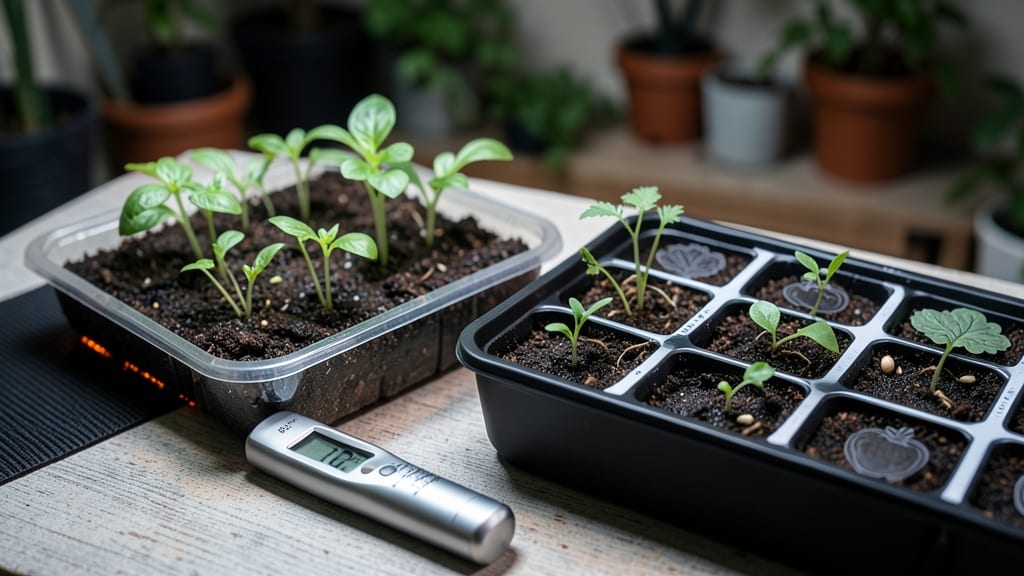
Struggling to get your seeds to sprout? The right temperature can mean the difference between a thriving garden and wasted effort—some seeds need warmth, others prefer cool conditions, and a few are picky about consistency.
Cool-season crops like lettuce and peas thrive at 50–75°F, while warm-season favorites such as tomatoes and peppers demand 75–95°F to break dormancy. Tropical plants, like basil, need even higher temps, often 80–100°F, to germinate at all.
In this guide, I’ll break down the ideal ranges for every plant type, share practical tricks to control germination temps (even in drafty basements or hot garages), and help you troubleshoot why your seeds might be playing hard to grow.
Optimal seed germination temperature ranges by plant category
Getting seeds to sprout consistently starts with understanding their temperature needs. Some plants thrive in cool conditions, while others demand warmth to break dormancy. The wrong temperature can delay germination for weeks—or kill seeds entirely.
Let’s break down the ideal ranges for cool-season crops, warm-season crops, and tropical plants so you can match conditions to your seedling goals.
Cool-season crops like lettuce and spinach prefer chilly environments between 50–75°F. These plants often germinate best in spring or fall when soil temps are mild. On the other hand, warm-season crops such as tomatoes and peppers need heat—75–95°F—to activate their growth hormones.
Tropical plants, like banana or ginger, push the limits with 80–100°F requirements, making them tricky for indoor gardeners in cooler climates.
Here’s a quick reference to help you set up the perfect germination environment for your seeds:
If your seeds aren’t sprouting within the expected timeframe, temperature inconsistencies are often the culprit. For example, tomato seeds may take weeks to germinate if soil temps drop below 70°F.
To troubleshoot, use a seedling heat mat for warm-season crops or move cool-season seeds to a cooler basement spot if your home runs too warm. A simple thermometer in your seed tray can reveal whether conditions are off.
Some seeds, like carrots or parsley, have dual temperature needs. They germinate best in 60–70°F soil but may rot if kept too moist in warm conditions. Pay attention to seed packet instructions—they often include specific temp ranges tailored to the variety.
For slow germinators (like chives or dill), patience is key, but maintaining the right temperature can cut waiting time in half.
For indoor gardeners, a south-facing window or grow lights paired with a heat mat can mimic ideal outdoor conditions. If you’re starting seeds in spring or fall, soil temps may fluctuate daily.
Bury a soil thermometer 1–2 inches deep to monitor real-time conditions—this is the only way to ensure accuracy. Even a 5°F difference can mean the difference between success and failure for sensitive seeds.
Pro tip: Stratification (a cold treatment) can help break dormancy for seeds like apple or peach pits, which need 40–60°F for 6–12 weeks before they’ll sprout. Place them in a moist paper towel in the fridge to simulate winter conditions.
This mimics the natural cycle and tricks seeds into thinking it’s time to grow.
When in doubt, start small. Test a few seeds from each category in different temperature setups (e.g., windowsill vs. heat mat) to see what works best in your space.
Document your results—you might discover that your local climate or home setup favors slightly different temps than the general guidelines. Over time, you’ll build a personalized germination cheat sheet tailored to your garden’s quirks.
Remember, consistency is just as important as the actual temperature. Avoid placing seed trays near drafty windows or heating vents, which can cause wild swings. A stable environment—whether cool, warm, or tropical—gives seeds the confidence to push through their shells and start growing strong.
How to control germination temperatures for faster sprouts
Controlling seed germination temps is one of the easiest ways to speed up sprouting and give your seedlings a strong start. Even a few degrees difference can mean the difference between a week-long wait and 24-hour germination for some varieties.
The key is creating a stable environment that matches your seeds' natural growing conditions—whether that's the cool, damp soil of a forest floor or the warm, sunny ground of a tropical jungle.
Most gardeners struggle with inconsistent temperatures, especially in unheated basements or drafty garages. Without the right tools, seeds can take weeks to sprout—or worse, rot before they even break through the soil.
That's why I've tested the most effective methods for maintaining consistent seed germination temps, from budget-friendly DIY solutions to high-tech heat mats that mimic greenhouse conditions.
- Heat Mats: Plug-and-play solution that maintains 70–95°F under seedling trays. Ideal for warm-season crops like tomatoes and peppers. ($20–$40)
- Insulated Propagators: DIY with clear plastic boxes + bubble wrap. Traps bottom heat from household light bulbs. Perfect for cool-season seeds needing 60–75°F.
- Seedling Trays with Lids: Creates a mini greenhouse effect, raising temps by 5–10°F. Useful for tropical plants like basil and cucumbers.
- Bottom Watering: Keeps soil consistently moist without temperature swings. Use a tray of warm water (never hot) to gently wick moisture upward.
- Thermal Blankets: Layer old towels or fleece under trays to insulate against cold drafts. Great for basement setups or early spring starts.
For warm-season seeds like tomatoes and peppers, I swear by a heat mat placed under my seedling trays. These mats plug into a standard outlet and maintain a steady 75–95°F range—exactly what these heat-loving seeds need to break dormancy in just 5–7 days.
I pair mine with a clear plastic dome to trap moisture and amplify the warmth, creating a mini greenhouse effect right on my kitchen counter.
If you're working with cool-season crops like lettuce or spinach, the goal is to avoid overheating. I use a DIY insulated propagator made from a clear plastic storage box lined with bubble wrap.
The wrap reflects light and heat back into the box, while the plastic lid creates a stable microclimate. Place it near a south-facing window during the day, and the trapped warmth will keep soil temps in the ideal 60–75°F range.
Consistency is critical—especially for sensitive seeds like carrots or parsley. Fluctuations of just 10°F can stall germination or trigger mold. To troubleshoot, use a small thermometer buried in the soil (not touching the sides of the container).
If temps drop below your seed's ideal range at night, add a thermal blanket or move the tray closer to a warm spot like the top of your fridge.
Remember, moisture and warmth go hand-in-hand. Always keep your growing medium damp (not soggy) by using a spray bottle or bottom-watering method. This prevents soil from drying out and creating temperature swings as it heats up unevenly.
With the right setup, you'll see faster sprouts and healthier seedlings ready for transplanting in half the time! 🌱