
Propagation
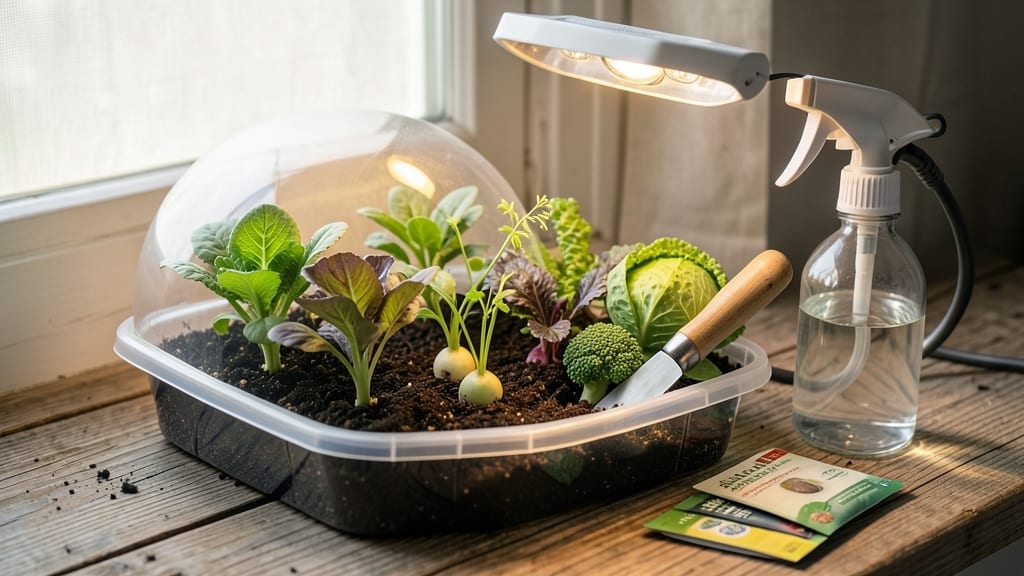
A Zone 4 seed starting calendar 🌱 keeps your garden thriving despite the cold—because planting too early or late means frost damage or wasted seeds.
Cold Zone 4 winters can trick even experienced gardeners into planting too early—or too late—risking frost damage or stunted growth. But with the right timing, you can maximize yields and enjoy a thriving garden all season long.
This calendar breaks down exactly when to start seeds indoors, when to transplant outdoors, and how to adjust for late frosts or unpredictable weather. Whether you’re growing tomatoes, peppers, or herbs, precision timing is the key to success.
Inside, you’ll find a step-by-step schedule for 10 essential vegetables, plus tips for using row covers, cold frames, and hardening off seedlings—so you can grow a garden that outperforms the frost.
Zone 4 seed starting calendar: exact weeks before last frost for 10 essential vegetables
Zone 4 gardeners face unique challenges with its short growing season and unpredictable frosts. Getting your seed starting timeline right means the difference between thriving plants and lost investments.
The key is knowing exactly when to start seeds indoors and when to transplant outdoors to avoid frost damage while maximizing your harvest.
For Zone 4, the average last frost date is around May 15, but this can vary by 1-2 weeks depending on your microclimate. Using a seed starting calendar tailored to these dates ensures your seedlings are ready when the soil warms and danger of frost passes.
Below, I’ve outlined the precise weeks before last frost to start 10 essential vegetables.
Pro Tip: Always check your local frost dates and adjust by ±1 week if needed. Use a plant heat mat for slower starters like peppers and eggplants to maintain consistent soil temperatures.