
Propagation
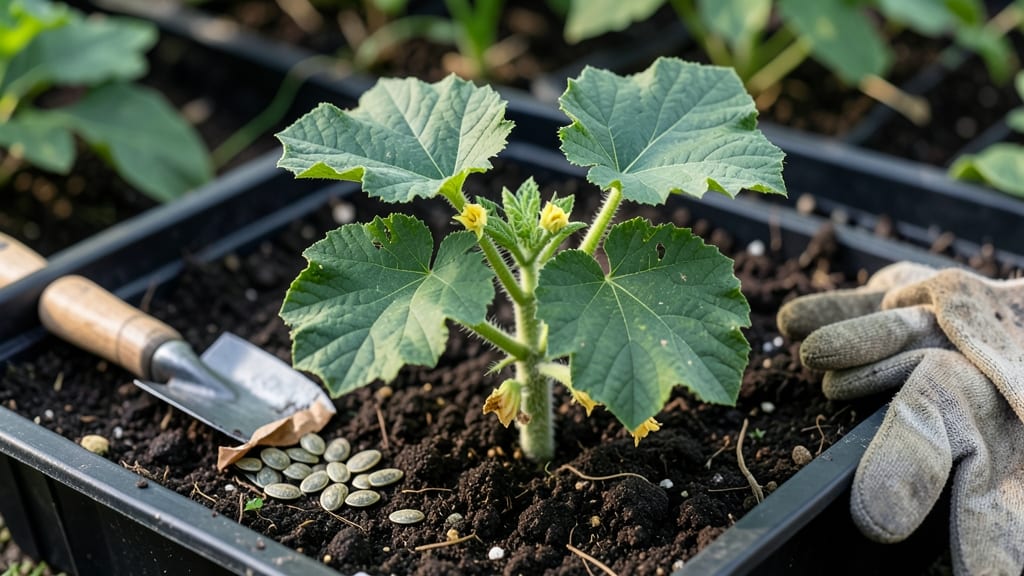
Germinating squash seeds takes the right squash seed germination time—5–10 days when conditions are just right, but most gardeners miss the simple tweaks that cut that time in half.
Picture this: you’ve planted your 🎃 seeds, watered them, and waited… only to see nothing after a week. The problem isn’t the seeds—it’s the soil temperature. Squash seeds need warmth to wake up, and cooler soils (below 70°F) can stretch germination to 2–3 weeks.
In this guide, I’ll walk you through the exact soil temps that trigger fast sprouts, how to test your garden bed before planting, and 5 no-fail tricks to get those first green shoots in 4–7 days—even in Zone 6a.
You’ll learn why pre-soaking seeds works (and when it doesn’t), how to troubleshoot moldy soil, and the one tool that adds 10°F of heat for free. Ready to turn your patience into progress?
How long do squash seeds take to germinate (and why it varies)
If you've ever planted squash seeds only to wait weeks for sprouts, you're not alone. Most gardeners expect quick results, but germination times vary wildly—from as little as 4 days to over 2 weeks.
The secret? Understanding how soil temperature, seed type, and moisture levels create this timeline. Let's break down the science behind those numbers so you can set realistic expectations and troubleshoot delays.
First, recognize that summer squash (like zucchini or yellow squash) and winter squash (like butternut or pumpkin) behave differently. Summer squash typically germinates faster—within 5-7 days—while winter squash can take 10-14 days to sprout.
This difference stems from their natural growing seasons: summer varieties evolved to thrive in warm, short-term conditions, while winter squash prioritize hardiness over speed.
Here’s the critical factor most gardeners overlook: soil temperature is the single biggest variable. Squash seeds need warmth to activate enzymes that break down stored nutrients. Below 50°F (10°C), germination can stall entirely. At 70°F (21°C), you’ll see sprouts in 5-7 days.
Push temperatures to 80-90°F (27-32°C), and germination drops to just 3-5 days. Cooler soils slow metabolic processes, forcing seeds to "wait" for ideal conditions.
Moisture plays a supporting role, but consistent dampness (not sogginess) is non-negotiable. Seeds need 1-2 inches of moisture in the topsoil layer to trigger swelling and root emergence. Too little? They dry out and die.
Too much? They rot before sprouting. Aim for soil that feels like a wrung-out sponge—damp but not dripping. Overwatering is a silent killer of would-be squash seedlings.
Light exposure also influences timing, though not as dramatically as temperature. Darkness speeds germination for most squash varieties because seeds prioritize root growth over shoot development when buried. Once sprouts emerge, they’ll naturally seek light, but pre-germination darkness helps them conserve energy.
This is why planting 1 inch deep (the standard recommendation) works best—deep enough for darkness, shallow enough for easy emergence.
Now that you understand the baseline, let’s address the why behind delays. If your seeds take 14+ days to germinate, suspect one of three issues: cold soil, old seeds, or poor moisture control.
Squash seeds lose viability after 5-7 years, so test germination by soaking a few seeds in water—if they sink, they’re still viable. For cold soils, use a seedling heat mat ($15–$25) to maintain 75°F (24°C) at the soil surface. This can cut germination time in half.
Another common mistake? Planting too deep. While squash seeds need darkness to germinate, planting deeper than 1.5 inches forces sprouts to push through more soil, delaying emergence. Stick to 1 inch deep for most varieties, and thin seedlings to 2 feet apart once they’re 3–4 inches tall.
Thinning reduces competition for nutrients, which indirectly supports faster germination in subsequent plantings.
For gardeners in cool climates, timing is everything. Planting squash seeds outdoors before the soil reaches 60°F (15°C) is a recipe for disappointment. Instead, start seeds indoors 2–3 weeks before the last frost using a grow light or sunny windowsill.
When seedlings have 2 true leaves, transplant them into warmed soil. This two-step process ensures you’re not racing against the clock when conditions aren’t ideal.
Finally, don’t overlook the role of seed quality. Organic or heirloom seeds sometimes have harder coats, requiring a bit more patience. If you’re using seeds from a reliable supplier (like Baker Creek or Johnny’s Selected Seeds), germination rates should be high. But if you’ve saved seeds
Optimal soil temperature Zones for faster squash seed germination
If your squash seeds are taking forever to sprout, your soil might be too cold. Squash seeds thrive when soil temperatures hit 70°F-90°F, but many gardeners plant too early, leaving seeds struggling in 50°F-60°F soil.
Even a 10°F difference can double germination time—from 5 days to 10 or more. The key is understanding how to measure, adjust, and maintain that perfect warmth zone.
Before planting, test your soil temperature with a soil thermometer (insert 2 inches deep). If it’s below 60°F, your seeds will germinate slowly—or not at all.
Warmer climates (Zones 8+) often hit ideal temps naturally, but cooler regions (Zones 3-6) may need heat mats or greenhouse setups to kickstart growth. Let’s break down the exact zones and tools you’ll need.
For the fastest results, aim for 75°F-85°F soil. This range triggers enzymatic activity in seeds, breaking dormancy and encouraging roots to push through the shell. Summer squash (like zucchini) germinate quicker in this zone, while winter squash (e.g., butternut) may need a few extra days.
If your outdoor soil won’t cooperate, try these three proven methods to hit the sweet spot:
- Heat mats ($15-$30) raise soil temps by 10°F-15°F under trays. Place them under seed-starting containers and plug them in 24/7 until sprouts appear.
- Cold frames trap sunlight, boosting temps by 5°F-10°F—ideal for early spring.
- Indoor setups (south-facing windows or grow lights) let you control temps precisely. Use a seedling heat mat under pots and keep humidity high with a plastic dome.
If you’re in a cold climate (Zones 3-5), combine methods for best results. Start seeds indoors with a heat mat, then transplant to a cold frame when soil warms to 60°F+. Avoid planting outdoors until soil hits 70°F, or your seeds will rot.
Pro tip: Pre-warm soil by covering garden beds with black plastic for 1-2 weeks before planting—this can add 5°F-10°F to your soil’s natural warmth.
Troubleshooting slow germination? Check for these red flags: damp soil (leads to rot), old seeds (test viability by soaking in water—sinkers sprout), or improper depth (plant squash seeds 1 inch deep, no deeper).
If seeds sprout but collapse, your soil may be too hot (above 90°F) or lack moisture. Keep soil consistently moist (not soggy) and monitor temps daily until sprouts emerge.