
Lawn
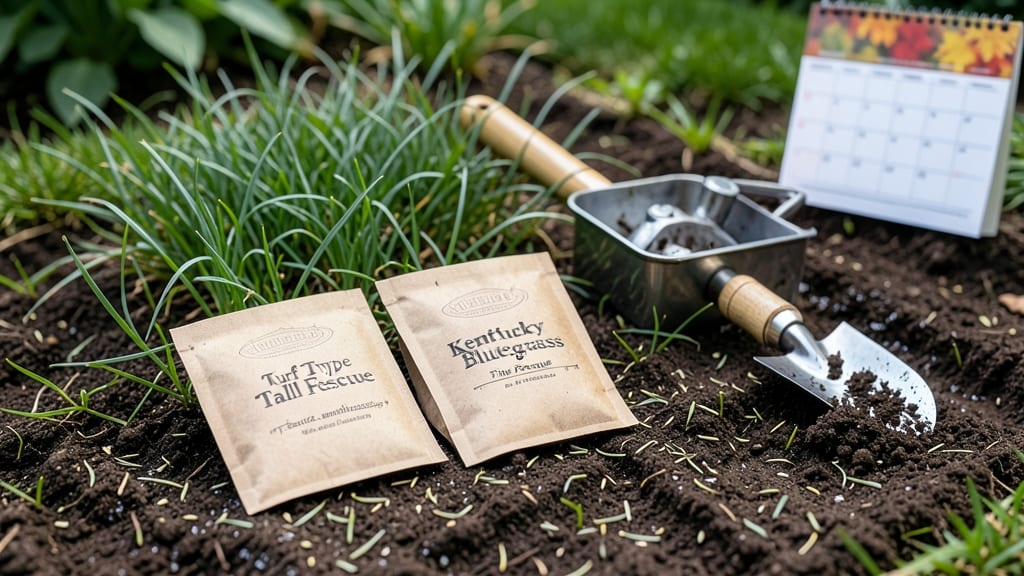
You can plant grass seed in Ohio when soil temperatures hit 50°F and stay there, typically between mid-April and early June for spring plantings—or late August to early October for fall.
Ohio’s unpredictable spring weather can turn a perfect lawn into a muddy mess if you plant grass seed too early—or miss the ideal window entirely. Timing is everything for a lush, weed-free lawn, and knowing your exact frost-free zone is the key to success.
In Zone 6a, like much of Ohio, the average last frost date is around April 15, but soil may still be too cold. Planting too soon risks frost damage, while waiting too long can mean summer heat stress for young seedlings.
Below, I’ll break down the exact frost-free windows for your region, how to prep soil for germination, and the best grass types for Ohio’s climate—so you can finally get that thick, green lawn you’ve been dreaming of.
Ohio grass seed planting calendar by hardiness zones (5-7)
Ohio’s three distinct hardiness zones (5, 6, and 7) create unique planting windows for grass seed. Zone 5 (northeast Ohio) has the shortest growing season, while Zone 7 (southeast Ohio) enjoys longer frost-free periods.
Understanding these differences helps you avoid planting too early (risking frost damage) or too late (missing ideal germination conditions).
Most Ohioans plant grass seed in early spring or early fall when soil temperatures stabilize. Spring planting should occur 4-6 weeks before the last average frost date, while fall planting works best 6-8 weeks before the first frost.
This timing ensures seeds germinate in warm soil and establish strong roots before winter.
The average last frost dates vary dramatically across Ohio: April 15 in Zone 5 (e.g., Cleveland), April 1 in Zone 6 (e.g., Columbus), and March 25 in Zone 7 (e.g., Cincinnati).
These dates determine your planting windows—planting too early risks frost killing tender seedlings, while waiting too long may lead to summer heat stress.
Here’s a quick reference for Ohio’s three main regions:
| Zone & Region | Last Frost Date | Spring Planting Window | Fall Planting Window | Soil Temp Requirement |
|---|---|---|---|---|
| Zone 5 (Northeast) | April 15 | April 1–May 15 | September 1–October 15 | 50°F+ (10°C+) |
| Zone 6 (Central) | April 1 | March 15–April 30 | August 15–September 30 | 50°F+ (10°C+) |
| Zone 7 (Southeast) | March 25 | February 28–April 15 | August 1–October 1 | 50°F+ (10°C+) |
For Zone 5 gardeners (like those in Youngstown or Akron), aim for April 1–May 15 in spring. The soil must stay consistently above 50°F (10°C) for at least a week before planting. In fall, September 1–October 15 works best—this gives seeds time to germinate before winter sets in.
Zone 6 (Columbus, Dayton) offers a longer spring window (March 15–April 30), letting you start earlier. Fall planting here extends to September 30, giving you more flexibility. If you miss spring, don’t worry—fall is the second-best time for grass seed to establish deep roots before winter.
Zone 7 (Cincinnati, Toledo) has the earliest spring window, starting as early as late February. This zone also benefits from a longer fall window (August 1–October 1), making it ideal for those who prefer cooler-season planting. Just ensure soil temperatures stay above 50°F (10°C) to avoid slow germination.
If you’re unsure about your exact zone, check the USDA Plant Hardiness Zone Map or use your ZIP code in Ohio’s Ohio State University Extension tools.
Microclimates—like south-facing lawns or low-lying areas—can also shift your planting window by 1–2 weeks. Always test soil temperature with a soil thermometer before planting.
Pro tip: Cover seeds with straw if nighttime temperatures dip below 40°F (4°C) to protect tender sprouts. This simple step can mean the difference between a thin, patchy lawn and a lush, weed-free carpet of grass.
Remember, consistent moisture is key after planting. Water lightly twice daily (morning and evening) for the first 2 weeks to keep soil evenly moist but not soggy. Avoid heavy watering, which can wash seeds away or cause fungal diseases like brown patch.
Signs your Ohio lawn is ready for grass seed (avoid common mistakes)
Your Ohio lawn is ready for grass seed when the soil temperature consistently reaches 50°F or higher—a critical threshold for germination. Use a soil thermometer to check, as surface temps can be misleading.
In most of Ohio, this typically happens between mid-April and early May, but northern regions may need to wait until late May.
Another key sign is weed activity. If you see dandelions or chickweed sprouting, your soil is warm enough for grass seed. These weeds are early indicators that conditions are right for planting. However, don’t let weeds delay your seeding—just be prepared to tackle them after germination.
Moisture levels also play a crucial role. The ground should be damp but not soggy, with about 1 inch of rainfall per week or your ability to water deeply. If the top 2-3 inches of soil are dry, your lawn isn’t ready yet—wait for consistent moisture before planting.
- Planting on frozen ground: Grass seed needs soil temps of 50°F+—frozen soil blocks germination. Test with your finger: if it feels cold and hard, wait.
- Ignoring soil prep: Skipping tilling or aeration compacts soil, preventing roots from establishing. Loosen the top 2-3 inches for optimal seed contact.
- Overseeding without testing: Planting when weeds are dormant (e.g., late fall) can mean your seed gets outcompeted. Time it with active weed growth for balance.
Timing isn’t just about spring—fall planting (late August to early October) is ideal for Ohio’s climate. Look for cool evenings and warm days, which encourage strong root growth before winter. By late September, soil temps drop below 60°F, signaling it’s time to switch to fall seeding.
Pay attention to local microclimates. South-facing slopes warm up faster than shaded areas, so adjust your planting timeline accordingly. If your lawn has partial shade, opt for shade-tolerant grasses like Fine Fescue and plant when soil temps are slightly cooler (45-50°F).
Finally, avoid planting when frost is forecasted within 48 hours. Young seedlings are vulnerable to cold snaps, and even a light frost can delay germination by weeks. Check the National Weather Service for your region’s 10-day forecast before seeding.