
Plants
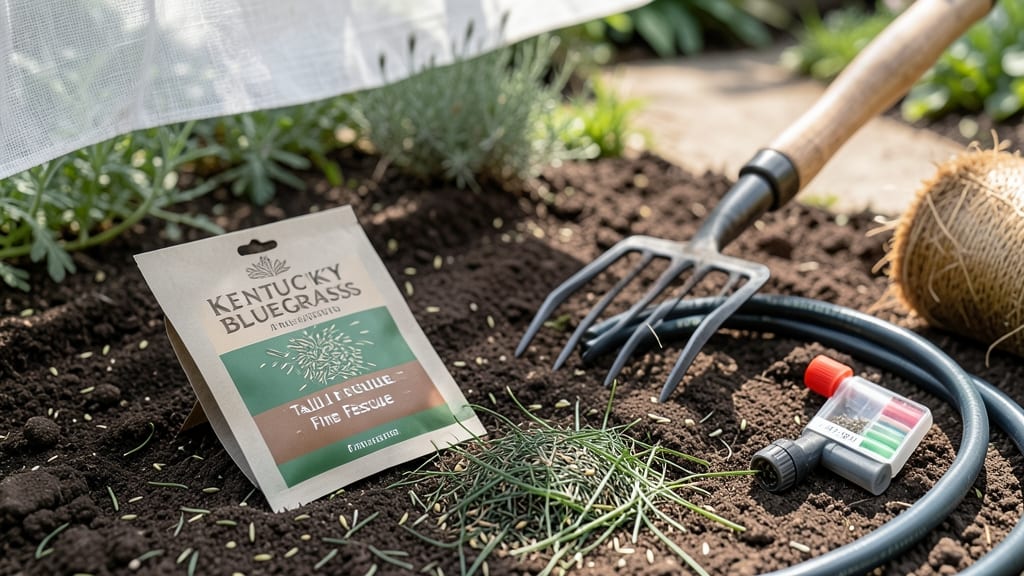
Planting grass seed in Kentucky at the right time is the key to a thick, green lawn that survives the state’s unpredictable weather—whether you’re in USDA zones 6a-7b or dealing with clay-heavy soil.
Struggling to time your Kentucky lawn seeding perfectly? Plant too early, and frost will wipe out your efforts; too late, and weeds take over. The right window makes all the difference for a thick, green lawn that lasts.
Kentucky’s two best planting windows are early spring (March–April) and early fall (September–October), when soil temperatures hover between 50–65°F—ideal for seed germination. Summer planting is a no-go due to heat stress, while winter’s cold can stall growth.
Below, I’ll break down the exact frost-free timeline by region, soil prep secrets, and how to choose the best grass seed mix for your Kentucky yard—so you can skip the guesswork and get a lawn that stays lush year-round.
Kentucky grass seed planting timeline: frost dates & soil temperature guide
Timing your Kentucky grass seed planting correctly is the key to a lush, weed-free lawn. The Bluegrass State experiences USDA zones 6a-7b, meaning frost dates vary by region. Plant too early, and seedlings may not survive late spring frosts.
Too late, and weeds will outcompete your new grass. The ideal window is when soil temperatures consistently reach 50-65°F—perfect for seed germination and root establishment.
Most Kentucky gardeners succeed with early spring (March-April) or early fall (September-October) planting. Spring planting gives seedlings a head start, while fall planting allows roots to establish before winter dormancy. Avoid summer planting—intense heat and drought stress young grass, leading to thin, patchy lawns.
Let’s break down the exact frost dates and soil temps for your region to pinpoint the best time to plant.
📌 PRO TIP: Use a soil thermometer (available for $10-$15) to check temperatures at 4-inch depth. This is more accurate than air temperature for determining the ideal planting window. Aim for 50°F for germination and 65°F for active growth. If temps dip below 50°F at night, wait a few weeks to plant.
| Region | Average Last Frost | Average First Frost | Ideal Planting Window | Soil Temp Range (°F) |
|---|---|---|---|---|
| Bluegrass (Lexington, Louisville) | April 10-15 | October 15-20 | March 15 - April 15 September 1 - September 30 |
50-65°F |
| Northern KY (Paducah, Owensboro) | April 5-10 | October 20-25 | March 1 - April 10 August 20 - September 20 |
50-65°F |
| Western KY (Bowling Green, Hopkinsville) | April 1-5 | October 25-30 | March 10 - April 5 September 1 - September 25 |
50-65°F |
Your local microclimate can shift planting dates by 2-3 weeks. For example, a south-facing slope warms up faster than a north-facing yard or shaded area.
To refine your planting timeline, check the USDA Plant Hardiness Zone Map for your exact location (use the zip code tool on the USDA website). Additionally, observe your yard’s behavior: if dandelions bloom early or cherry blossoms drop petals by March 15, spring is arriving sooner than average.
For spring planting, aim to seed 4-6 weeks before the last frost date. This gives seedlings time to establish roots before summer heat arrives. In Northern Kentucky, this typically means late March to mid-April.
In Western Kentucky, you can push it slightly earlier, around mid-March. Always monitor soil moisture—dry soil can delay germination, even if temperatures are ideal.
Fall planting is often more successful in Kentucky because cool temperatures reduce weed competition and rainfall is more consistent. Seed in early September to allow 4-6 weeks of growth before first frost.
This gives roots time to establish before winter dormancy. Avoid planting after mid-October, as seedlings may not have enough time to root before cold sets in.
If you’re unsure about your exact frost dates, use the National Weather Service’s frost prediction tool or check with your local Cooperative Extension Service. They provide hyper-localized data based on years of observations.
For example, Lexington’s average last frost is April 12, but in 2022, it occurred on April 22—a 10-day delay that could ruin an early planting. Planning for flexibility is key.
Once you’ve nailed down your planting window, prepare your soil by removing debris and loosening compacted areas with a rake or aerator. Kentucky’s clay-heavy soil can hinder seed-to-soil contact, so mix in compost or sand to improve drainage.
After seeding, lightly cover with straw to retain moisture and protect seedlings from bird damage. Water gently but frequently—keep soil moist (not soggy) until germination (usually 7-21 days depending on the grass type).
Remember, Kentucky’s unpredictable weather means your planting timeline might shift slightly each year. Stay flexible, monitor your yard’s conditions, and don’t hesitate to adjust. With the right timing and care, you’ll be rewarded with a thick, green lawn that outshines your neighbors’! 🌱
Best grass seed varieties for Kentucky seasons & how to choose
Kentucky’s two distinct seasons demand the right grass types—cool-season grasses for spring/fall growth and warm-season grasses for summer resilience. The wrong choice means thin lawns or high maintenance.
For USDA zones 6a-7b, I recommend tall fescue and Kentucky bluegrass for cool weather, while bermuda and zoysia shine in summer heat.
Cool-season grasses like tall fescue thrive in Kentucky’s spring and fall, establishing deep roots before winter dormancy. Warm-season varieties such as bermuda grass go dormant in winter but bounce back quickly when temperatures rise.
Your microclimate (shade vs. sun) and soil type (clay-heavy vs. loamy) further influence the best mix.
For shady yards, mix tall fescue with fine fescue—both tolerate 4-6 hours of sun daily. In full-sun areas, bermuda grass dominates summer heat, while Kentucky bluegrass offers that classic look but needs 6+ hours of sunlight to thrive.
Pro tip: Test your soil’s pH (6.0-7.0 ideal) before choosing. Clay-heavy soils benefit from tall fescue mixes—their deep roots break up compaction better than bluegrass. For sandy soils, bermuda spreads aggressively, filling bare spots naturally.
If you’re torn between varieties, consider a pre-mixed blend like “Kentucky 31” tall fescue (drought-resistant) or “Midnight” zoysia (low-maintenance). For high-traffic areas, bermuda recovers fastest from foot traffic.
Remember: Fall planting (September) gives seeds 6-8 weeks to root before winter, while spring planting (March-April) avoids summer heat stress. Choose based on your priority—year-round green or low-maintenance summer color.