
Lawn
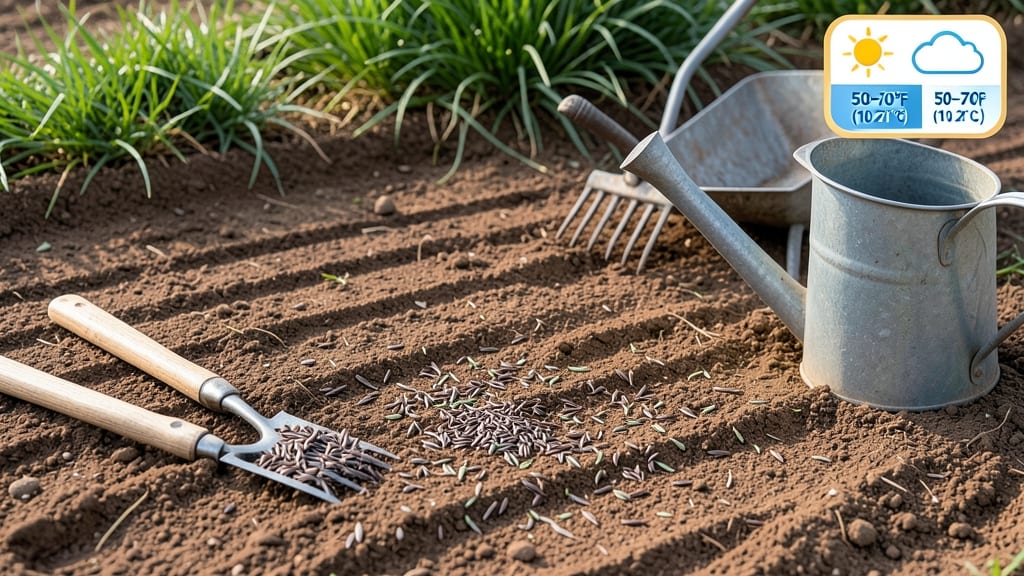
To plant grass seed in Ohio spring, aim for mid-April to early June when soil temperatures hit 50°F and stay above 55°F—this window avoids frost damage and ensures strong germination.
Ohio’s unpredictable spring weather can turn a well-planned lawn into a patchy mess if you’re not careful. Too early, and frost will kill your seedlings before they take root. Too late, and summer heat arrives before the grass establishes, leaving bare spots for weeds to move in.
The key isn’t just picking a date—it’s reading the soil. Use a thermometer to confirm warmth, check for consistent 1-inch rainfall per week, and choose grass seed blends suited to your region’s climate.
Southern Ohio’s milder winters mean you can start earlier, while northern areas should wait until after the last frost.
In this guide, I’ll walk you through the exact steps to time your planting, from soil prep to post-germination care, so you end up with a thick, weed-resistant lawn—not a DIY experiment gone wrong.
Ohio spring planting window: exact dates and soil temperature rules
Ohio’s spring weather can be as unpredictable as a rollercoaster—one day sunny and warm, the next a surprise frost. To grow a thick, lush lawn, you need to plant grass seed when the soil temperature reaches 50-60°F and stays there consistently.
This isn’t just guesswork; it’s science. Cold soil slows germination, while warm soil speeds it up, giving your grass a fighting chance against weeds.
Most Ohio gardeners wait until 4-6 weeks before the last average frost date (around April 15 for most regions). But don’t just rely on the calendar—check the soil thermometer!
Northern Ohio (like Cleveland) may need to wait until late April, while southern Ohio (like Cincinnati) can start as early as mid-March. Rainfall also matters: aim for 1 inch of rain per week to keep seeds moist without drowning them.
Here’s the golden rule: Plant when the frost risk drops below 10% and soil stays above 55°F for at least a week. This ensures your grass seed won’t sprout only to be fried by a late frost.
Use this 30-day window calculator to pinpoint your exact planting dates based on your Ohio microclimate.
🌱
| Region | Ideal Planting Window | Soil Temp Requirement | Frost Risk | Rainfall Needed |
|---|---|---|---|---|
| Northern Ohio (Cleveland, Toledo) | Late April to early May | 55-60°F (consistent) | Below 10% | 1 inch/week |
| Central Ohio (Columbus, Dayton) | Mid-April to late April | 50-55°F (warming trend) | Below 15% | 1 inch/week |
| Southern Ohio (Cincinnati, Lexington) | Mid-March to early April | 50-55°F (stable) | Below 20% | 1 inch/week |
| All Regions (Backup Window) | Early September | 60-65°F (fall) | 0% | 1 inch/week |
Why does soil temperature matter so much? Grass seeds need warmth to activate enzymes that break down stored food for growth. Below 50°F, germination slows to a crawl, leaving your lawn vulnerable to weeds.
Use a soil thermometer (just $10 at garden centers) to check depths of 2-4 inches—this is where seeds will be.
Pro tip: If you’re planting in shady areas, opt for fine fescue or Kentucky bluegrass, which tolerate cooler soils better than tall fescue. These varieties can handle 45-50°F soil and still germinate, giving you a wider window in Ohio’s cooler springs.
For sunny lawns, tall fescue thrives once soil hits 55°F.
Don’t forget about rainfall patterns. Ohio’s spring showers are hit-or-miss, so if your forecast calls for dry conditions, set up a light sprinkler system to deliver ¼ inch of water daily until seeds sprout. Overwatering is just as bad—it washes seeds away or causes fungal diseases like Pythium.
Here’s how to test your soil readiness: Dig a 6-inch hole, fill it with water, and time how long it takes to drain. If it drains in 2-4 hours, your soil is ready.
If it’s soggy after 6 hours, wait another week. This simple test saves you from planting into waterlogged soil, which suffocates roots.
Ohio’s microclimates create a 30-day difference between southern and northern regions. For example, Cincinnati gardeners might plant in mid-March, while those in Toledo should wait until late April.
Use local weather apps like AccuWeather or NOAA to track soil temps and frost forecasts—they’re free and save you from costly mistakes.
🌿
3 Critical mistakes that ruin Ohio spring grass seed planting
Ohio’s spring weather is famously fickle—one day it’s warm enough to plant, the next brings a surprise frost. I’ve seen newly planted grass seed turn to mush from overwatering or freeze solid from planting too early.
The biggest mistake? Ignoring the soil conditions instead of the calendar. Even experienced gardeners fall into these traps, but the good news is they’re all fixable with the right approach.
Take my neighbor Mark in Columbus, for example. He planted Kentucky bluegrass in late March, thinking it was safe. Two weeks later, a hard frost hit, and his seedlings died back to bare soil.
He replanted in May, but the summer heat arrived before his grass could establish, leaving his lawn vulnerable to crabgrass invasions. The lesson? Timing isn’t just about dates—it’s about soil temperature and weather patterns.
⚠️ callout-warning ⚠️
Here are the three silent killers of Ohio spring grass seed—and how to avoid them.
The first mistake is overwatering, which creates the perfect conditions for fungal diseases like brown patch or dollar spot. I once saw a Cincinnati gardener’s brand-new lawn turn from lush green to slimy brown in just 10 days because he followed the "keep it soggy" advice.
The truth? Grass seed needs moisture, not a swamp. Water lightly twice daily (morning and evening) for the first week, then taper to deep watering every 2-3 days. Let the top inch of soil dry slightly between waterings—this prevents seed rot while keeping roots hydrated.
Next is planting too early, which happens when gardeners rush to beat weeds. A Toledo homeowner planted tall fescue in February, only to watch her seedlings blacken after a 28°F night. Even if the ground looks thawed, frost can linger in shaded areas until mid-April.
Wait until the last frost date (typically April 15 in southern Ohio, May 1 in the north) and confirm soil temps are consistently above 50°F for at least a week. Use a frost clock or local extension service for your exact zone.
The third mistake is ignoring soil pH, which locks out essential nutrients even if you plant at the perfect time. I tested a Dayton lawn last spring where the owner had planted Kentucky bluegrass in ideal conditions—but the soil pH was 4.5 (too acidic).
The grass grew slowly, yellowed, and left gaps for clover to take over. Test your soil 6 weeks before planting and amend with lime (to raise pH) or sulfur (to lower pH) as needed.
Ohio’s native soil is often slightly acidic (6.0-6.5), but Kentucky bluegrass thrives at 6.0-7.0, while tall fescue prefers 5.5-6.5.
Fix these mistakes by starting with a soil test, watering smartly, and waiting for the right temps. Your lawn will thank you with thick, weed-resistant growth instead of patchy disappointment. And trust me—after seeing these mistakes firsthand, you’ll never make them again. 🌱