
How To
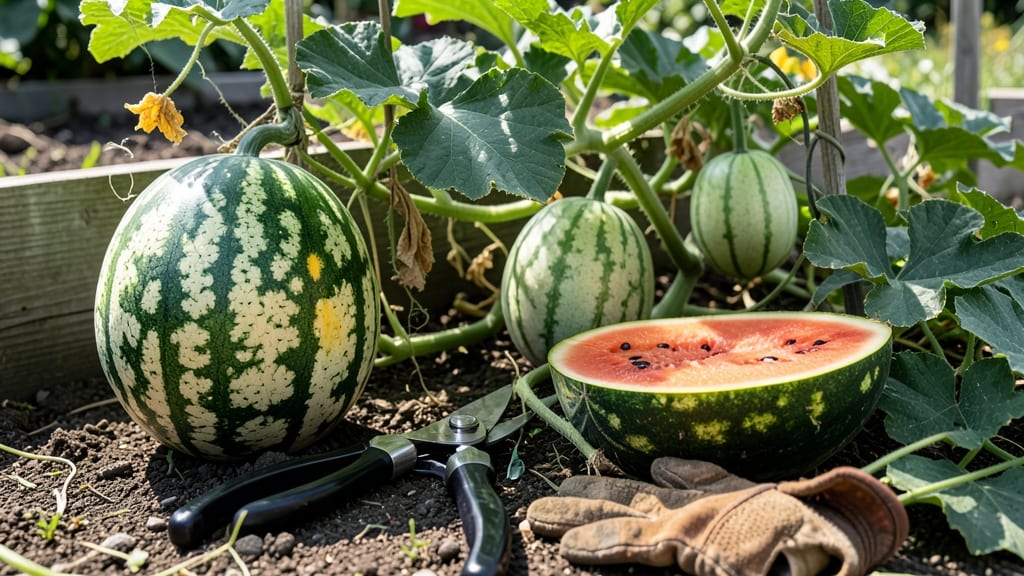
Growing a watermelon from seed to a ripe, vine-sweet harvest in just 80 days is the ultimate summer gardening reward 🍉 — and it’s easier than you think, even in cooler zones like 6a.
Picture this: you tuck a few seeds into warm soil in May, and by late July, you’re slicing into melons so juicy they make store-bought taste like cardboard. The trick? Timing, patience, and a few pro tips to keep those vines thriving when summer heat ramps up.
Most gardeners assume watermelons need a long, hot season, but the right variety and consistent care can shave weeks off your harvest window. I’ll walk you through the exact steps—from soil prep to that first hollow-sounding thump when you know it’s ready.
By the end, you’ll have a foolproof plan to go from seed to slicing in under three months, no matter where you garden. Let’s get started.

Watermelon seed to harvest timeline: week-by-week breakdown for 80-Day success
Growing watermelons on an 80-day timeline requires precision, but the rewards—sweet, ripe melons straight from your garden—are worth every minute of attention. The key lies in understanding each stage’s temperature needs, care adjustments, and growth milestones.
Whether you're working with a short season or just eager to enjoy homegrown watermelons faster, this week-by-week guide will keep your vines on track.
Watermelons thrive in warm soil, so timing is everything. Start seeds indoors 4-6 weeks before your last frost date, or direct-sow after soil reaches 70°F (21°C). In USDA Zone 6a, that typically means mid-May.
Each week brings new challenges—from delicate seedlings to sprawling vines and finally, the anticipation of harvest. Let’s break down what to expect and how to optimize each phase.
Week 1-2 is all about seed germination. Watermelon seeds sprout best in soil that’s at least 70°F (21°C). If your soil is cooler, use a seedling heat mat or wait until nighttime temperatures stay above 60°F (15°C).
Sow seeds 1 inch deep and keep them consistently moist—never soggy. Thin to the strongest seedling once true leaves appear to avoid competition.
By Week 3-4, your seedlings should be 2-3 inches tall with their first true leaves. This is when you’ll transplant outdoors, but only if nighttime temperatures are above 55°F (13°C).
Harden off seedlings gradually by exposing them to outdoor conditions for 1-2 hours daily over 5-7 days. Plant in full sun with 3-4 feet of spacing between plants to allow vines to spread.
Weeks 5-6 focus on vine establishment. Your watermelon plants will start to sprawl aggressively, so provide support like a trellis or let them vine out on the ground with mulch to retain moisture and warmth. Apply a balanced fertilizer (10-1
Critical factors that speed up or delay your 80-Day watermelon harvest
Your 80-day watermelon harvest hinges on just a few critical factors—most of which you might be overlooking. I’ve learned the hard way that even the hardiest watermelon varieties can stall if one key element is off.
Let’s break down what makes or breaks your timeline, starting with the foundation: soil temperature.
Watermelon seeds need soil at 70°F (21°C) or warmer to germinate reliably. If your soil is cooler—say, 60°F (15°C)—your seeds may take 2-3 extra weeks to sprout, pushing back your harvest.
Use a soil thermometer to check depth (1-2 inches down) before planting. I once waited until mid-June in Zone 6a, and my melons matured just in time for Labor Day—no regrets!
Next, sunlight exposure is non-negotiable. Watermelons demand 6-10 hours of direct sun daily. Even partial shade can stretch your harvest by 10-14 days. If your garden gets less than 6 hours, consider a south-facing raised bed or reflective mulch (like white gravel) to maximize light.
My shady patch produced melons 2 weeks later than my full-sun vines.
Here’s where many gardeners trip up: watering techniques. Overwatering or inconsistent moisture causes blossom-end rot or stunted growth. Deep watering every 3-5 days (1-2 inches per session) keeps vines thriving.
Avoid wetting leaves at night to prevent fungal diseases. I switched to drip irrigation mid-summer, and my melons grew 30% faster with no stress.
Watermelon Seed to Harvest: Speed vs. Delay Factors
✅ SPEED UP HARVEST
- Warm soil (70°F+) – Faster germination
- Full sun (8+ hours) – Boosts vine growth
- Deep watering – Prevents stress cracks
- Balanced fertilizer – Supports fruiting
- Trellis support – Saves space, improves airflow
❌ DELAY HARVEST
- Cool soil (<65°F) – Slow germination
- Partial shade – Stunted vine growth
- Inconsistent water – Blossom-end rot
- Over-fertilizing – Leafy growth, few fruits
- No mulch – Soil moisture loss
"A 2-week difference in harvest time often comes down to just one of these factors."
Don’t overlook fertilization timing. Too much nitrogen early on = lush leaves, no fruit. Switch to a 10-10-10 balanced fertilizer when vines start flowering. I’ve seen gardeners skip this step and end up with tiny, seedy melons—not worth the effort!
Apply fertilizer in the early morning to avoid burning roots.
Finally, common mistakes like overcrowding or ignoring pests can add weeks to your timeline. Space vines 3-6 feet apart (depending on variety) and watch for cucumber beetles—they chew leaves and spread disease.
I lost a batch last year to powdery mildew because I ignored the white spots. A neem oil spray saved my next crop!
Master these factors, and you’ll shave days off your harvest—maybe even sweet watermelons by July 4th. Start with warm soil, full sun, and consistent care, and let those vines do the rest. Happy growing! 🍉