
Plants
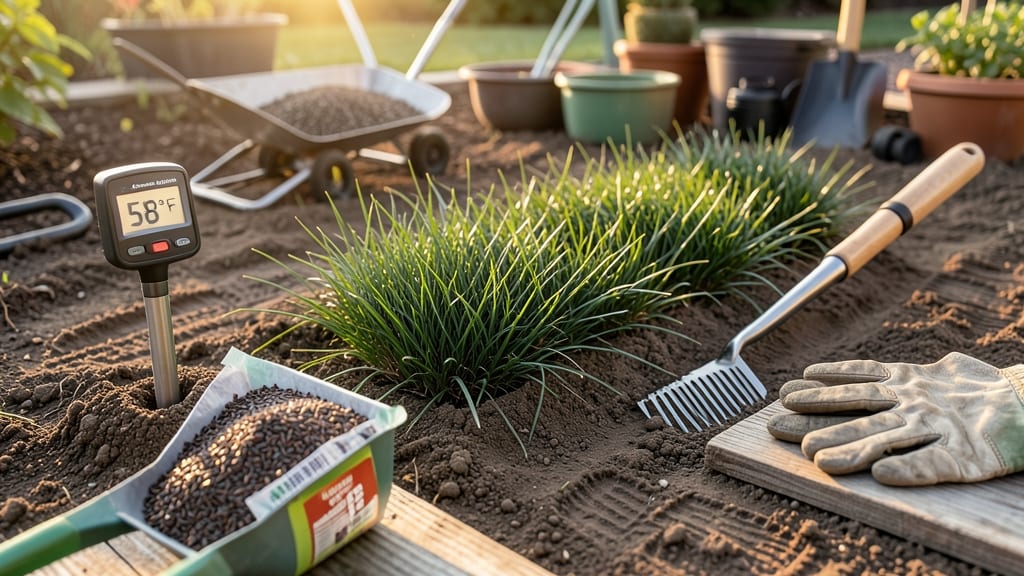
You can plant grass seed in Colorado when soil temperatures hit 50-65°F and the threat of frost has passed—typically March-April for spring or August-September for fall, depending on your zone.
Timing your grass seed planting in Colorado can mean the difference between a lush, green lawn and months of bare soil—especially with the state’s unpredictable spring and fall weather patterns.
The Front Range (zones 5-6) often gets an earlier start than the Western Slope (zones 4-5), where late frosts can linger until mid-April. Meanwhile, the Southeast (zones 6-7) may see ideal conditions as early as late February.
Below, I’ll break down the best planting windows by zone, soil prep tips for fast germination, and how to avoid common mistakes that derail even the most careful gardeners.
Best months to plant grass seed in Colorado by hardiness Zone (5-8)
Colorado’s diverse climate—from the Front Range’s high-altitude valleys to the Western Slope’s arid plains—means grass seed germination timing varies dramatically. In USDA Zones 5-8, planting too early risks frost damage, while waiting too long can trigger summer drought stress.
The key? Targeting soil temperatures between 50°F and 65°F for optimal seed activation.
Most Colorado gardeners swear by fall planting (August-September) because cooler temps reduce weed competition, and seeds establish roots before winter dormancy. However, spring planting (March-April) works well in lower elevations (Zone 7-8), where frost dates arrive later. High-altitude areas (Zone 5) demand earlier fall prep to avoid early snow.
Regional microclimates add complexity. The Denver metro area (Zone 5-6) sees last frost dates around April 15, while Grand Junction (Zone 6-7) can plant until mid-October without frost risk. Always check local frost maps—your neighbor’s timeline might not match yours!
🌱 Colorado Grass Seed Planting by Hardiness Zone
| Zone | Best Planting Window | Soil Temp Threshold | Key Considerations | Grass Type Recommendation |
|---|---|---|---|---|
| 5 (High Altitude) | Late August–Early September | 50–55°F | Early snow risk; prioritize fall | Tall Fescue, Fine Fescue |
| 6 (Front Range) | March 15–April 15 OR August 15–September 15 | 55–60°F | Spring: Avoid late frosts; Fall: Weed control critical | Kentucky Bluegrass, Ryegrass |
| 7 (Southeast CO) | April 1–May 15 OR September 1–October 15 | 60–65°F | Longer growing season; drought tolerance key | Bermuda Grass, Zoysia |
| 8 (Lower Elevations) | March 1–April 30 OR September 15–October 30 | 60–65°F | Hot summers; irrigation essential | Buffalo Grass, Tall Fescue |
⚠️ Pro Tip: Test soil moisture before planting—dry soil at 65°F can still kill seeds!
For Zone 5 gardeners, focus on fall planting—seeds germinate slowly in cool soil but avoid winter kill. In Zone 6-7, both spring and fall work, but spring requires daily watering to outpace weeds.
My Zone 7 friends in Pueblo swear by September 1st as their deadline—after that, summer heat zaps germination.
Colorado’s diurnal temperature swings (hot days, cold nights) make late afternoon planting ideal—seeds stay moist overnight. Use a soil thermometer ($10 at garden centers) to confirm temps. If your soil reads below 50°F, wait 1-2 weeks or use a lightweight row cover to warm it.
Don’t overlook shade considerations. In Zone 6-7 urban areas, where trees cast afternoon shade, plant Fine Fescue—it tolerates 30% shade better than Kentucky Bluegrass. For full-sun lawns, Tall Fescue dominates because it handles Colorado’s intense UV and low humidity.
Watering schedules differ by season. In spring, aim for 1-1.5 inches weekly (including rain), split into 2-3 sessions to prevent runoff. In fall, reduce to ½ inch weekly as temps drop. My Zone 6 lawn failed twice because I overwatered in October—seeds rotted in soggy soil.
Finally, avoid planting during extreme weather. If your forecast shows high winds (20+ mph) or heavy rain within 48 hours, delay. Wind dries out seeds, and rain can wash them away. Check the National Weather Service’s Denver/Boulder or Grand Junction offices for microclimate alerts.
With the right timing, your Colorado lawn can go from bare patches to lush green in just
How to prepare your Colorado lawn for grass seed success
Colorado’s dry climate and variable elevations demand careful lawn prep before planting grass seed. The key to success lies in soil health, weed control, and proper irrigation—all tailored to your specific zone.
Without these steps, even the best grass seed will struggle to germinate in Colorado’s thin, alkaline soils.
I’ve planted grass seed in Denver’s Front Range and Grand Junction’s Western Slope, and the difference between a thriving lawn and a failed patch often comes down to preparation. Let’s break this down into actionable steps to set your lawn up for fast, even germination.
Step-by-Step Lawn Prep for Colorado Grass Seed
-
Step 1: Test Your Soil
Use a DIY soil test kit to check pH (6.0-7.5 ideal) and nutrient levels. Colorado soils often test alkaline (pH 7.5+), which can hinder germination.
-
Step 2: Adjust pH if Needed
For alkaline soils (pH >7.5), add sulfur or peat moss (follow package rates). For acidic soils (pH <6.0), use lime. Re-test after 2-3 weeks.
-
Step 3: Remove Weeds and Debris
Kill weeds with a pre-emergent herbicide (like corn gluten meal) or manually pull them. Rake away thatch (>0.5 inches) and rocks to create a smooth seedbed.
-
Step 4: Aerate Compacted Soil
Use a core aerator to create 0.25-inch holes every 2-3 inches. This improves water and oxygen penetration, critical for seed-to-soil contact in Colorado’s clay-heavy soils.
-
Step 5: Spread Compost or Starter Fertilizer
Work in 1-2 inches of compost or a phosphorus-rich starter fertilizer (10-20-10). This provides immediate nutrients for root development in Colorado’s nutrient-poor soils.
-
Step 6: Set Up Irrigation
Install a soaker hose or sprinkler system to deliver 0.25 inches of water daily for the first 2 weeks. Colorado’s low humidity and windy conditions can dry out seeds quickly.
-
Step 7: Lightly Rake and Plant
Rake the soil lightly to create a fine, crumbly texture, then spread seed at the recommended rate (4-8 lbs per 1,000 sqft). Cover with a thin layer of peat moss (1/8 inch) to protect seeds from drying winds.
After planting, monitor soil moisture closely—Colorado’s sudden temperature swings can turn a well-prepped lawn into a failed patch if seeds dry out. I recommend checking moisture daily by pressing your finger 1 inch into the soil. If it’s dry, water immediately.
For high-altitude areas (like Eagle County or Summit County), extend your watering schedule to early evening to combat intense UV exposure and thin air, which can stress young seedlings. With these steps, your Colorado lawn will be on its way to lush, even growth in just 3-4 weeks.