
Plants
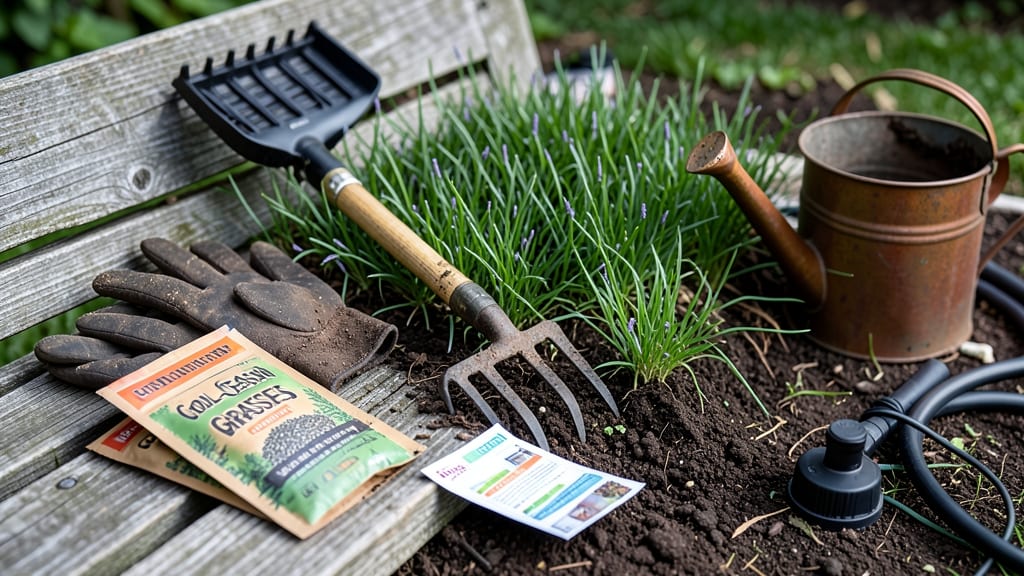
You can plant grass seed in Minnesota when soil temperatures hit 50-55°F and stay above freezing—typically mid-April to early May for most of the state, with northern zones waiting until late May.
Minnesota’s unpredictable climate can turn a lush lawn into a winter battleground if you plant grass seed at the wrong time—but timing it right means a thick, green carpet by summer.
Spring planting is the gold standard, but late summer (September) also works if you’re starting from scratch. The key? Avoid frost, monitor soil warmth, and prep your yard like a pro.
Below, I break down the exact frost-free windows by USDA zone, soil temperature tests, and regional tweaks—plus the one shortcut that buys you an extra two weeks of planting time.
Minnesota grass planting calendar by hardiness Zone (when to plant for success)
Minnesota’s USDA hardiness zones 3-5 create dramatic differences in when you can plant grass seed—miss the window, and your cool-season grasses will struggle. The key is planting when soil temperatures hit 50-65°F and frost risks drop below 20% probability.
In northern Minnesota (Zone 3-4), this means waiting until late May, while the Twin Cities (Zone 4-5) can start as early as mid-April.
Your best bets are early spring (after last frost) and late summer (before first frost). Spring planting gives grass a full growing season, while late summer seeding lets roots establish before winter. However, late summer planting requires earlier watering and fall fertilization to compensate for shorter daylight.
Regional variations matter—northern Minnesota’s shorter frost-free season (90-120 days) demands faster-growing varieties like tall fescue, while southern Minnesota’s longer season (150+ days) suits Kentucky bluegrass. Always check your local USDA frost chart and test soil temps with a soil thermometer before seeding.
Here’s a quick breakdown of your planting windows by zone, including soil temperature thresholds and frost probabilities:
| USDA Zone | Region | Spring Planting Window | Soil Temp Threshold | Frost Risk | Late Summer Window |
|---|---|---|---|---|---|
| 3a-4a | Northern MN (Duluth, Brainerd) | Late May to early June | 50-55°F (10-13°C) | <10% after May 20 | Late August to mid-Sept |
| 4b-5a | Central MN (Minneapolis, St. Cloud) | Mid-April to early May | 50-60°F (10-16°C) | <10% after April 15 | Early Sept to early Oct |
| 5b | Southern MN (Rochester, Mankato) | Early April to mid-May | 55-65°F (13-18°C) | <10% after April 1 | Mid-Sept to mid-Oct |
For early spring planting, aim to seed 2-4 weeks before your last frost date. This gives grass time to germinate before summer heat arrives. In the Twin Cities, that’s typically mid-April, while northern MN waits until late May.
Use a soil thermometer to confirm temps—if it’s below 50°F, wait.
Late summer planting is trickier but can yield thicker lawns if done right. Seed 6-8 weeks before first frost (early Sept in southern MN, mid-Sept in the north).
This window lets grass establish roots before winter dormancy. Water deeply 2x daily until germination, then taper to 1 inch per week.
Pro tip: If you’re in Zone 4-5 (like the Twin Cities), you can even try fall seeding in November—just cover with straw mulch to protect seeds from late freezes. Northern MN’s shorter season makes this riskier, so stick to August-September there.
Regardless of timing, always prepare your soil first. Loosen compacted areas with a garden rake, amend with compost if soil is clay-heavy, and level the surface. Seed-to-soil contact is critical—lightly rake after sowing and keep soil moist until germination (7-21 days depending on variety).
How to tell if Minnesota’s soil and weather are ready for grass seed (key signs)
Minnesota gardeners know that planting grass seed too early or late can leave you with patchy lawns or wasted seed. The soil temperature is your first clue—it should consistently stay between 50-65°F during the day.
Use a soil thermometer (available at local garden centers) to check the top 2 inches of soil for at least 3 days in a row.
Next, watch for the last frost date in your area. In most of Minnesota, this falls between mid-April and early May, but northern zones like Duluth often wait until late May. Planting before the last frost risks seed damage, while waiting too long may lead to summer dormancy.
Don’t forget to test your soil’s moisture level. Grass seed needs consistently damp soil to germinate, but soggy conditions can rot seeds.
Stick your finger 1-2 inches deep—if it feels dry, water lightly before planting. Clay-heavy soils common in Minnesota need extra attention: mix in compost or sand to improve drainage.
🌱
✅ Minnesota Grass Seed Planting Checklist
- ✓ Soil temp: 50-65°F (use thermometer)
- ✓ Frost-free: 2+ weeks until first frost
- ✓ Moisture: Damp but not waterlogged
- ✓ Soil prep: Loosened + compost mixed in
🌿 Plant when 3/4 checklist items are checked off!
For clay-heavy soils, add organic matter like compost or peat moss to improve aeration. Test your soil’s pH too—ideal levels for grass are between 6.0 and 7.5.
If your soil is too acidic, apply lime 2-3 weeks before planting. Always rake the area lightly after amending to create a smooth seedbed.
Timing isn’t just about temperature—daylight hours matter too. Grass seed needs 12+ hours of daylight to germinate properly. In Minnesota, this typically happens after April 15, giving your lawn the best chance to establish before summer heat arrives.
Finally, keep an eye on the weather forecast for 10 days after planting. Consistent rain is ideal, but if drought is predicted, set up a light sprinkler system to keep soil moist. Avoid planting if heavy rain or high winds are forecasted within 48 hours.
With these signs in mind, you’ll know exactly when your Minnesota yard is ready for a lush, green lawn—without the winter regrets. 🌱