
Plants
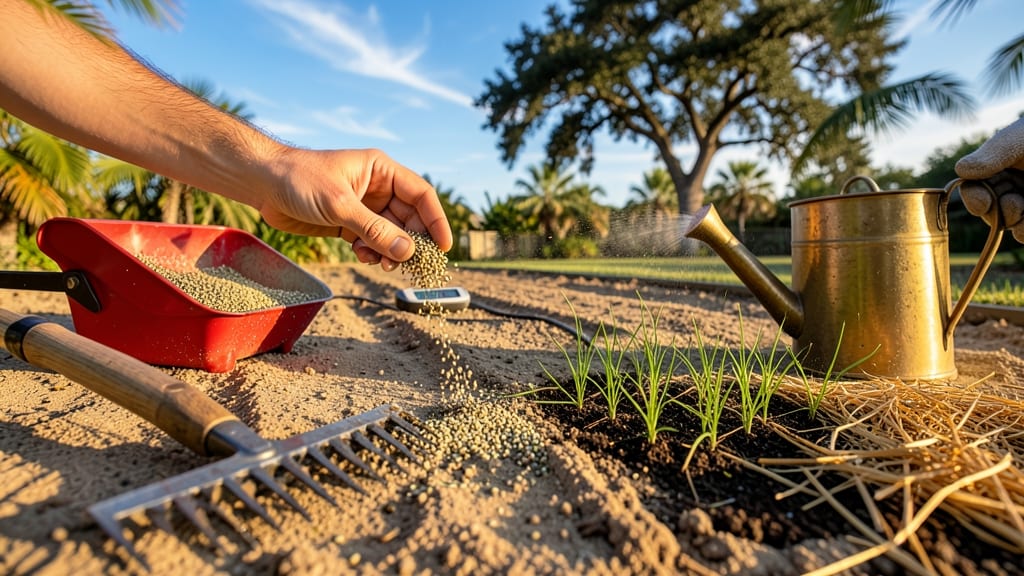
The best time to plant grass seed in Florida is during the cool-season window—typically from August through October—to beat summer’s brutal heat and drought. 🌱
Picture this: You’ve spent good money on seed, prepped the soil, and even marked your calendar—only for the sun to bake it into dust before it takes root.
That’s why timing isn’t just about the calendar; it’s about avoiding Florida’s hurricane season and dry spells that turn seed into a sad, patchy memory.
Here’s the secret: Cool-season grasses like Tifton 85 or Bahia need 60-90 days to establish roots before summer’s heat hits. Plant too late, and you’re fighting weeds and drought instead of enjoying that lush, green lawn you envisioned.
In this guide, I’ll break down the exact months for your region—North, Central, or South Florida—plus soil prep tricks, watering hacks, and the 5 mistakes that kill germination before it starts. Let’s get that grass growing the right way.
Florida’s ideal grass seed planting windows: cool season deadlines by month
Timing is everything when planting grass seed in Florida, where summer heat and humidity can turn seed into dust if planted too late. The 60-day window between August and October is your golden opportunity for cool-season grasses like tall fescue and ryegrass to establish deep roots before summer droughts strike.
This window ensures germination happens during Florida’s mildest temperatures (70–85°F), avoiding the stress of extreme heat or hurricane season.
Florida’s climate varies dramatically from North to South, so your planting deadline shifts based on region. North Florida’s cooler microclimates (like USDA Zone 8a) allow planting until mid-October, while South Florida (Zone 10a+) must finish by early September to avoid summer’s relentless heat.
Central Florida (Zone 9a) falls in between, with a late August to October window. Missing these deadlines risks weak germination, weed takeover, or seed drying out before sprouting.
Here’s your region-specific breakdown of Florida’s best grass seed planting windows, including why late fall is non-negotiable for root strength:
Planting in late fall (September–October) gives grass seed 8–10 weeks to develop a deep root system before summer’s heat and drought stress take over. Roots established by November mean your lawn can handle Florida’s winter freezes (yes, they happen!) and spring’s rapid growth spurts.
Skipping this window often leads to thin, patchy lawns that weeds easily invade.
For North Florida, aim to finish planting by October 15th to ensure roots have 4–6 weeks of cooler weather before winter slows growth. In Central Florida, September is your last chance—after that, the 90°F+ temperatures of October and November will stunt germination.
South Florida’s shorter window means July–early September is critical; delay past September 1st, and you’ll battle high humidity and fungal diseases like brown patch.
Pro tip: Check your local Cooperative Extension Service for microclimate adjustments. Coastal areas (like Panama City) may have cooler temps than inland Tallahassee, while Miami’s urban heat island effect can push planting deadlines earlier.
Always test your soil’s moisture and temperature—ideal germination happens at 60–75°F soil temps.
If you’re planting warm-season grasses (like St. Augustine or centipede), timing shifts to late spring (April–May), but cool-season grasses like tall fescue or perennial ryegrass demand the fall window for best results.
Mixing grass types? Plant warm-season first in spring, then overseed with cool-season in fall for year-round coverage.
Remember: Florida’s unpredictable weather means checking a 10-day forecast before planting. Avoid weeks with heavy rain or hurricanes—seed needs consistent moisture but can’t handle waterlogging. Start with a light sprinkle the day before planting, then keep soil evenly moist (not soggy) for the first 21 days.
Your 60-day window isn’t just about months—it’s about root depth. By planting in late summer/early fall, you’re giving your lawn the best shot at surviving Florida’s extremes. Skip this window, and you’ll spend next summer patching bare spots instead of enjoying a lush, green carpet. 🌱
How to prepare your Florida lawn for grass seed success: soil, weather, and pre-planting checks
Before you even think about sprinkling grass seed across your Florida lawn, proper prep is non-negotiable. The difference between a thick, green carpet and a patchy disappointment often comes down to these three critical steps: soil health, weed control, and smart watering.
Let’s tackle them one by one so your seed gets the fighting chance it deserves.
Florida’s sandy, nutrient-poor soils are notorious for struggling to support new grass. Most native soils here sit at a pH of 5.5–6.5, but your ideal range for cool-season grasses like Bahia or Centipede is 6.0–7.0.
If your soil tests lower, a quick fix is mixing in pelletized lime (apply 2–3 months before planting) to raise the pH. For compacted areas, aerate with a core aerator to let roots breathe.
Weeds are the silent killers of new grass. If you’ve got crabgrass or nutsedge taking over, tackle them with a pre-emergent herbicide like atrazine (for broadleaf weeds) or a post-emergent like glyphosate (for existing weeds).
Just remember: Apply pre-emergent at least 4–6 weeks before seeding—otherwise, it’ll block your grass from sprouting too!
Timing your irrigation is just as crucial as the seed itself. Overhead watering spreads disease, while deep, infrequent watering encourages strong roots. Start watering your lawn 2–3 days before planting to settle the soil, then water lightly after seeding (just enough to keep the top inch moist).
Use a soaker hose or drip system to avoid disturbing the seed.
Don’t forget about microclimates—your lawn isn’t one uniform space. Shady spots under trees or north-facing areas may need shade-tolerant varieties like St. Augustine, while sunbaked patches thrive with Zoysia or Bahia. Test a small area first to see how your seed performs in different light conditions.
Finally, fertilize lightly before planting. A starter fertilizer with high phosphorus (P) (like 10-20-10) boosts root growth without burning tender seedlings. Skip the nitrogen-heavy blends—they’ll encourage leafy growth at the expense of roots, leaving your grass vulnerable to Florida’s heat and drought.
With these prep steps locked in, your grass seed will have the best shot at thriving. But here’s the kicker: Even perfect prep won’t save you if you plant at the wrong time. Let’s talk about that next.
⚠️ callout-warning⚠️ Critical Timing Alert: Don’t Plant Grass Seed in Florida During These Months
June–August: Summer heat (above 85°F) dries out seed before germination. Even if it rains, evaporation wins.
November–March: Cool-season grasses grow slowly in chilly temps (below 60°F), and hurricane season risks wash away seed.
September–October (late): Late fall planting leaves only 6–8 weeks before summer heat returns—roots won’t establish fast enough.
✅ Best Window: August–early October (60–90 days before summer droughts hit).