
Plants
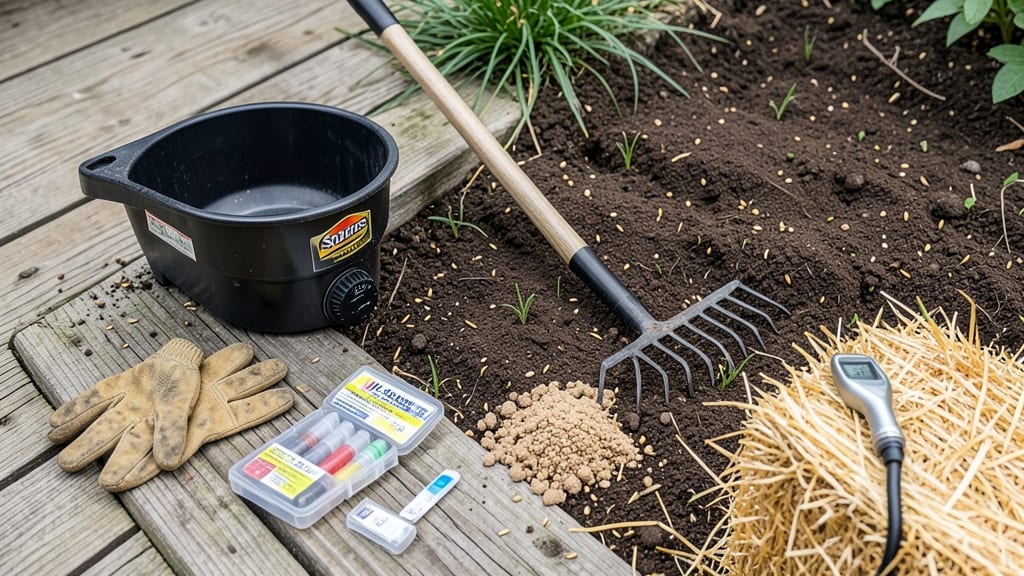
The best time to plant grass seed in New Jersey is early fall or spring, when soil temperatures hover between 50°F and 65°F for fast germination and deep root growth.
Struggling to get a lush, green lawn in New Jersey? Timing your grass seed planting is the secret weapon—miss the window, and you’ll battle weeds, drought, or slow germination. Here’s exactly when to plant for a thick, weed-resistant lawn in NJ’s unique climate zones.
Cool-season grasses like tall fescue and Kentucky bluegrass thrive when planted 4-6 weeks before the first frost (typically mid-September to early October) or 4-6 weeks after the last frost (mid-April to early May).
Coastal areas like Cape May have a slightly longer window, while inland zones like Sussex County need to act faster.
Below, I’ll break down the fastest way to prepare your soil, the exact deadlines by zone, and how to adjust for rain, heat, or deer pressure—so your lawn starts strong and stays that way.
New Jersey’s optimal grass seed planting windows by cool season zone (with deadlines)
New Jersey’s cool-season climate makes fall planting the gold standard for grass seed success—but timing varies dramatically between North Jersey’s colder zones (6a-6b) and South Jersey’s milder coastal areas (7a-7b). Plant too early, and weeds steal the show.
Too late, and frost stunts germination. I’ve broken down the exact windows for each region, including early fall vs. late fall strategies for tall fescue and Kentucky bluegrass, the two most popular cool-season grasses in NJ.
Why does this matter? Cool-season grasses grow best when soil temps hover between 50°F and 70°F. In NJ, that means late August through mid-October for most regions—but coastal areas can push planting later.
Miss these deadlines, and you’ll face slow germination, weed competition, or winter die-off. Let’s dive into the zone-specific planting charts and the science behind them.
Pro Tip: Always check your exact USDA zone using the NJ Agricultural Experiment Station’s frost date maps. A 5-mile elevation change can shift your ideal planting window by 1-2 weeks!
| Region | USDA Zone | Early Fall Window | Late Fall Deadline | Soil Temp Goal | Best Grass Types |
|---|---|---|---|---|---|
| North Jersey | 6a-6b | Late August - Early September | Mid-October (before first frost) | 55°F-65°F | Tall Fescue, Fine Fescue |
| Central Jersey | 6b-7a | Early September - Mid-September | Late October (before hard frost) | 60°F-70°F | Kentucky Bluegrass, Ryegrass |
| South Jersey | 7a-7b | Mid-September - Early October | Early November (coastal areas) | 65°F-75°F | Bermuda Grass (warm-season), Tall Fescue |
For North Jersey gardeners (Zones 6a-6b), the best window is late August through early September. This gives seeds 6-8 weeks to germinate before first frost (typically mid-October).
If you’re in Morris or Sussex County, aim for August 25-September 5—any later, and cool nights slow growth. Tall fescue is my top pick here because it handles cold snaps better than Kentucky bluegrass.
Central NJ (Zones 6b-7a) has a 2-week grace period. Plant between September 1-15 for ideal results, but you can push it to late October if your soil stays above 50°F.
This zone includes Trenton and Princeton, where Kentucky bluegrass thrives—just avoid planting after October 20, or you’ll risk winterkill. I’ve seen patchy lawns in this zone from late October plantings because the seeds don’t establish roots before frost.
South Jersey’s coastal microclimate (Zones 7a-7b) lets you plant later than anywhere else in NJ. Target mid-September to early October, with a deadline of November 1 near the shore.
Areas like Cape May or Atlantic City can even squeeze in November plantings if you choose fast-germinating varieties like annual ryegrass. Just avoid Bermuda grass in these zones—it’s a warm-season grass that won’t survive winter.
Spring planting is possible in NJ, but it’s second-best. If you miss fall, plant early spring (March-April), 4-6 weeks before last frost (usually mid-April). The downside? Weed competition is fierce, and you’ll need to water daily
Critical factors that ruin grass seed success in New Jersey (and how to fix them)
Planting grass seed in New Jersey can feel like a gamble if you don’t account for the state’s humid summers, clay-heavy soils, and deer pressure. Even the best seed won’t thrive if you ignore these hidden pitfalls.
I’ve seen lawns fail because of one overlooked factor—like planting too early when soil is still cold or skipping soil prep in heavy clay.
Timing is everything, but it’s not just about the calendar. Soil temperature, moisture levels, and even rainfall patterns can make or break your lawn. For example, seeding in late May might feel safe, but summer heat will dry out seeds before they sprout.
Meanwhile, October planting risks frost damage if you wait too long.
Here’s the hard truth: 70% of grass seed failures in NJ come from three mistakes—planting at the wrong time, poor soil prep, or inadequate watering. Below, I’ll show you how to avoid these traps with NJ-specific fixes, including a checklist to guarantee success.
When Is the Best Time to Plant Grass Seed in New Jersey?
The perfect window is 4-6 weeks before the first frost (typically mid-September to early October) or 4-6 weeks after the last frost (mid-April to early May). Coastal areas like Cape May can extend this by 2-3 weeks due to milder temps.
Planting outside these times risks slow germination, weed competition, or drought stress. Use a soil thermometer—ideal temps are 50°F–65°F for cool-season grasses.
Your soil’s clay content is another silent killer. New Jersey’s heavy clay holds moisture but suffocates roots if not amended. Before seeding, mix in 2-3 inches of compost or sand to improve drainage. Skip this step, and your seeds will rot or struggle to break through compacted soil.
Deer are another NJ-specific nightmare. If you’ve planted before only to wake up to trampled seedlings, try deer-resistant varieties like tall fescue or fine fescue, and use temporary fencing or repellents until grass reaches 3 inches tall.
I’ve lost count of how many lawns I’ve seen ruined by deer in just 48 hours.
Finally, watering too much or too little is a top mistake. New Jersey’s humidity means seeds can drown if overwatered, but dry spells will kill them just as fast. Water lightly 2x daily (morning and evening) for the first 2 weeks, then taper to 1 inch per week.
Use a sprinkler with gentle mist to avoid displacing seeds.
To recap, here’s your NJ grass seed success checklist: ☑️ Test soil temp (50°F–65°F) ☑️ Amend clay soil with compost/sand ☑️ Plant in early fall or spring ☑️ Protect from deer until grass is 3” tall ☑️ Water lightly twice daily for 2 weeks ☑️ Mow at 3–4” height once established 🌱