
Plants
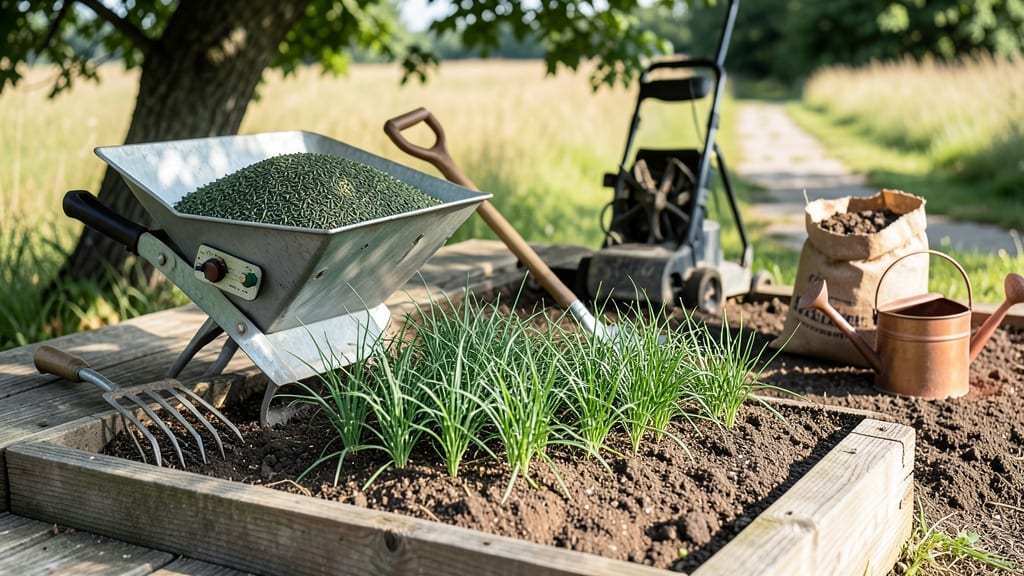
The best time to plant grass seed in North Carolina depends on your zone, but early spring and early fall are the fastest windows for germination 🌱—think March-April or August-September.
Planting grass seed at the wrong time in North Carolina can mean wasted money, slow growth, or even failed germination—so timing is everything for a lush, healthy lawn.
Coastal areas like Wilmington thrive with early spring planting, while the mountains need to wait until late April to avoid late frosts. The key is soil temperature: cool-season grasses like tall fescue need 50°F+ soil, while warm-season types like Bermuda prefer 65°F+.
Below, I break down the exact months by zone, how to prep your soil for fast germination, and the one mistake that ruins 80% of NC lawns before they even sprout.
North Carolina’s optimal grass seed planting months by climate zone
North Carolina’s diverse climate zones—from the humid Coastal Plain to the cooler Mountains—create wildly different conditions for grass seed germination. Planting at the wrong time can lead to slow growth, patchy coverage, or even complete failure.
The key is understanding your USDA zone and aligning planting with soil temperatures, rainfall patterns, and frost dates.
Cool-season grasses like tall fescue and Kentucky bluegrass thrive when soil temperatures hover between 50°F and 65°F, while warm-season varieties such as Bermuda grass and Zoysia need 65°F to 75°F for optimal germination.
Below, I’ll break down the best planting months for each NC climate zone, including critical soil temperature thresholds and seasonal considerations.
⚠️ PRO TIP: Always check your last frost date (typically March 15 in mountains to April 1 in coastal areas) and aim to plant 4-6 weeks before or after frost windows for best results.
In the Coastal Plain (7a-8b), where humidity lingers year-round, early spring (March-April) and early fall (August-September) offer the ideal balance of moisture and temperature. Warm-season grasses like Bermuda thrive in these windows, while tall fescue benefits from cooler fall planting to establish roots before winter.
For Piedmont (6b-7a), the transition zone, timing is slightly later due to cooler nights. Plant late March-April for spring germination or August-September for fall. This zone’s clay-heavy soils often need amendments like compost or sand to improve drainage—critical for seed-to-soil contact.
The Mountain (5b-6a) region’s shorter growing season demands earlier action. Plant April-May for spring or July-August for fall to avoid early frost. Cool-season grasses like fine fescue dominate here, as they tolerate cooler temperatures and acidic soils common in the Appalachians.
🌡️ SOIL TEMPERATURE TIPS: Use a soil thermometer to confirm readiness. Cool-season grasses need soil temps below 65°F, while warm-season varieties require 65°F+. In doubly hot summers (like 2023), wait until late August to avoid seed desiccation.
Regardless of zone, avoid planting in extreme heat (above 85°F) or during peak summer droughts. These conditions cause seed dormancy or uneven germination. Instead, opt for early fall planting—it gives grass 6-8 weeks to establish before winter.
One final tip: Mulch lightly after planting (with straw or peat moss) to retain moisture and regulate soil temperature. In Coastal Plain areas, this is especially critical due to high evaporation rates.
By aligning your planting with your local climate zone and soil conditions, you’ll set your lawn up for fast germination, dense growth, and long-term resilience—no matter where you
How to prepare your North Carolina lawn for fast grass seed germination
North Carolina’s humid subtropical and mountain climates demand precise lawn prep to ensure your grass seed germinates quickly and thrives. Before planting, focus on soil conditions, weed suppression, and irrigation timing—these three factors make the difference between a patchy lawn and a lush carpet of green.
Start by testing your soil pH—most NC grasses prefer a 6.0-7.0 range. If your soil is too acidic or alkaline, amend it with lime (to raise pH) or sulfur (to lower pH) at least 4-6 weeks before planting.
Coastal areas often need more lime due to sandy soils, while mountain regions may require sulfur for acidic conditions.
Next, clear the area of existing weeds and debris. Use a non-selective herbicide like glyphosate for stubborn weeds, but apply it 6-8 weeks before planting to avoid residue harming your new grass. For organic options, hand-pull weeds or smother them with black plastic for 2-3 weeks before seeding.
📋 Step-by-Step Prep for Fast Germination
- 🌡️ Test soil temperature: Use a soil thermometer—cool-season grasses need 50-65°F soil, warm-season 65-75°F.
- 🧪 Adjust pH: Aim for 6.0-7.0; amend with lime or sulfur 4-6 weeks before planting.
- 🌱 Loosen soil: Aerate compacted areas with a core aerator to 1-2 inches deep for better seed-to-soil contact.
- 💦 Set up irrigation: Install a soaker hose or sprinkler to deliver 0.5 inch of water daily for the first 2 weeks.
- ✂️ Spread seed evenly: Use a broadcast spreader for uniform coverage; overlap passes by 10%.
- 🌿 Apply starter fertilizer: Choose a high-phosphorus blend (e.g., 10-20-10) to boost root growth.
- 🌧️ Lightly mulch: Cover seeds with ¼ inch of compost or straw to retain moisture and block sunlight.
After planting, water deeply twice daily for the first week—morning and late afternoon—to keep the soil consistently moist but not soggy.
Once sprouts appear (usually 7-14 days for cool-season grasses), reduce to 1 inch per week and water early in the morning to prevent fungal diseases like brown patch, common in NC’s humidity.
For mountain regions, delay watering until evening to avoid frost damage, while coastal areas benefit from morning watering to combat high evaporation. Monitor soil moisture with your finger—top ½ inch should stay damp but not waterlogged.
Avoid walking on new seedlings until they’re 2-3 inches tall to prevent soil compaction.
Finally, apply a light layer of mulch (like straw) to protect seeds from drying out and bird damage. This step is critical in NC’s variable spring rains—mulch keeps seeds hydrated during dry spells while allowing water to penetrate during downpours.