
Plants
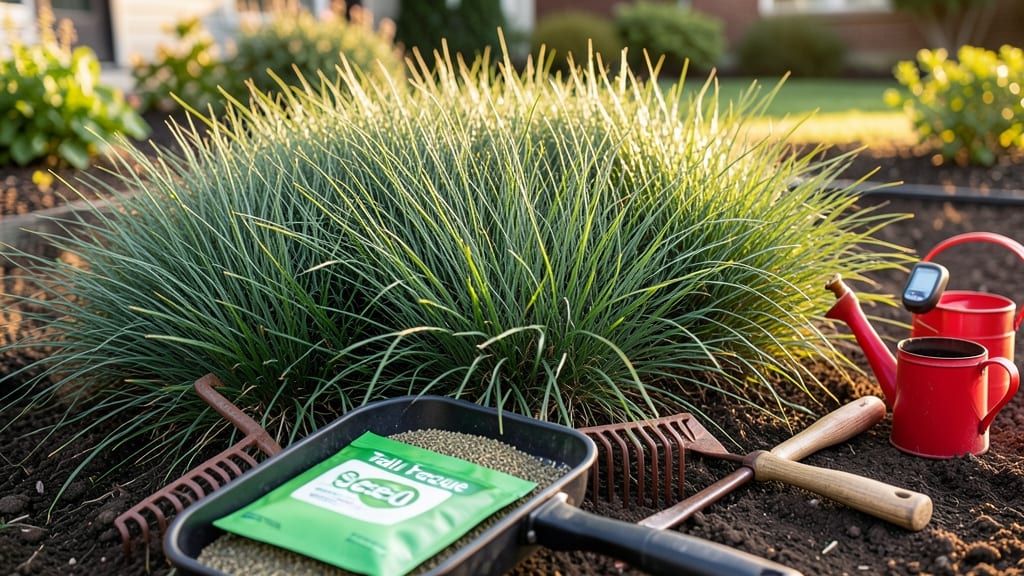
Planting grass seed in Oklahoma at the right time means the difference between a thick, green lawn and a patchy, struggling mess—especially in zones 6a-8a where weather swings wildly.
Oklahoma’s unpredictable weather can make or break your lawn—planting grass seed at the wrong time means wasted money and weak growth. But timing it perfectly? That’s the secret to a lush, resilient yard that survives the state’s brutal summers and icy winters.
Most gardeners know spring and fall are the best windows, but exact timing matters. In Oklahoma, the ideal soil temperature range is 55-65°F, which typically aligns with late March to early April for spring and September to early October for fall.
Below, I break down the exact frost-free timelines by zone, soil prep tips, and how to avoid common mistakes that leave your lawn looking bare for months.
Oklahoma’s ideal grass-seeding windows by Zone: when to plant for maximum success
Timing your grass seed planting in Oklahoma is everything—get it wrong, and you’ll battle weak germination, weed competition, or even total failure. The state’s USDA Hardiness Zones 6b-8a create distinct microclimates where soil temperature and frost-free windows dictate success.
I’ve broken down the optimal planting windows for each zone, including soil temp thresholds (55-65°F) and rainfall patterns to align with Oklahoma’s seasonal extremes.
Fall planting remains the gold standard for Oklahoma lawns, but spring seeding works in cooler northern zones. The key? Plant when soil temps hover between 55-65°F—too hot, and seeds dry out; too cold, and germination stalls.
Southern Oklahoma’s longer frost-free seasons (240+ days) allow for extended spring planting, while northern zones must act fast before first frost hits by mid-November.
Soil temperature is your best predictor—use a soil thermometer (available at local garden centers) to confirm readiness. In Zone 6b (northwest OK), aim for late August to early October when daytime highs drop below 85°F. Meanwhile, Zone 8a (southeast OK) can seed until mid-November thanks to milder winters.
Here’s the zone-by-zone breakdown of Oklahoma’s ideal planting windows, including frost-free dates and rainfall timing to maximize germination:
| USDA Zone | Best Planting Window | Soil Temp Threshold | Frost-Free Deadline | Rainfall Timing |
|---|---|---|---|---|
| 6b (NW OK) | Late August–Early October | 55–65°F | Mid-November | September rains peak |
| 7a (Central OK) | Early September–Mid-October | 55–65°F | Late November | Late August–September |
| 7b (Oklahoma City) | Mid-August–Early November | 55–65°F | Early December | September–October |
| 8a (SE OK/Tulsa) | Late July–Mid-November | 55–65°F | Mid-December | August–October |
| Spring Alternative (All Zones) | March–Early April | 55–65°F | N/A (post-last frost) | March–April showers |
*Use a soil thermometer to confirm readiness—Oklahoma’s clay soils retain heat longer than sandy areas.
For spring planting, focus on March through early April when soil temps stabilize above 55°F and last frost dates have passed. Northern zones (6b) should wait until mid-April to avoid late-season freezes, while southern zones (8a) can start as early as February.
Pro tip: Cover seeds with straw if nighttime temps dip below 50°F to protect tender sprouts.
Oklahoma’s unpredictable rainfall adds another layer—aim to plant when natural rains are forecasted (check NOAA’s 7-day outlook) to reduce irrigation needs. September showers in northern zones and August rains in the south align perfectly with ideal planting windows.
If drought looms, water deeply 2x daily until germination occurs (typically 14–21 days).
Missed the fall window? Spring is your backup, but act fast—summer heat (especially in Zone 8a) can scorch seeds before germination. For overseeding existing lawns, late summer (August) is ideal to combat winter weeds like annual bluegrass. Just mow short (1.5 inches) and water thoroughly before seeding.
Remember: Preparation is key. Test your soil’s pH (6.0–7.0 ideal) and amend with compost 4–6 weeks before planting. In Zone 8a’s humid summers, fungus risks rise, so avoid planting during peak heat (June–July).
For northern zones, early fall (before first frost) gives grass time to establish deep roots before winter dormancy.
Need a quick reference
How to prepare Oklahoma soil for grass seed: pre-planting checklist by season
Oklahoma’s clay-heavy or sandy soils require special attention before planting grass seed. Without proper prep, seeds struggle to germinate, leading to patchy lawns. The key is creating a loose, fertile seedbed with the right pH balance and moisture retention—especially in our USDA zones 6b-8a.
Start by testing your soil’s pH level (ideal range: 6.0-7.0). Oklahoma’s alkaline soils often need sulfur or peat moss to lower pH, while sandy areas may require compost or organic matter to improve water retention.
Skipping this step means your grass seed won’t thrive, no matter how well-timed your planting.
⚠️ callout-warning ⚠️
Oklahoma’s summer heat (above 85°F) stresses grass seeds, causing poor germination. Even in fall planting, wait until soil temps drop below 75°F. Southern Oklahoma’s Zone 8a can plant 2 weeks earlier than northern Zone 6b—check local frost dates!
Pro Tip: Use a soil thermometer to confirm temps before planting.
For clay soils, break up compaction with a broadfork or tiller (but don’t overdo it—deep tilling can bury seeds). Mix in 2-3 inches of compost or aged manure to improve drainage and fertility.
Sandy soils, on the other hand, need organic matter like peat moss or coconut coir to hold moisture.
Weed control is critical—apply a pre-emergent herbicide 2-3 weeks before seeding or hand-pull weeds to prevent competition. Crabgrass and dandelions thrive in Oklahoma’s climate, so act early. After clearing weeds, rake the soil to create a fine, smooth surface for seed-to-soil contact.
Set up a consistent irrigation system before planting. Grass seeds need 1 inch of water daily (or 1.5 inches for clay soils) for the first 2 weeks.
Use a sprinkler or drip line to deliver even moisture—avoid overhead watering, which can wash seeds away. Light, frequent watering keeps seeds moist without drowning them.
Finally, avoid planting seeds too deep—most varieties need only ¼ inch of soil coverage. Use a seed spreader for even distribution, then lightly rake to bury seeds. For Oklahoma’s hot, windy conditions, consider a starter fertilizer with phosphorus to boost root growth.