
Plants
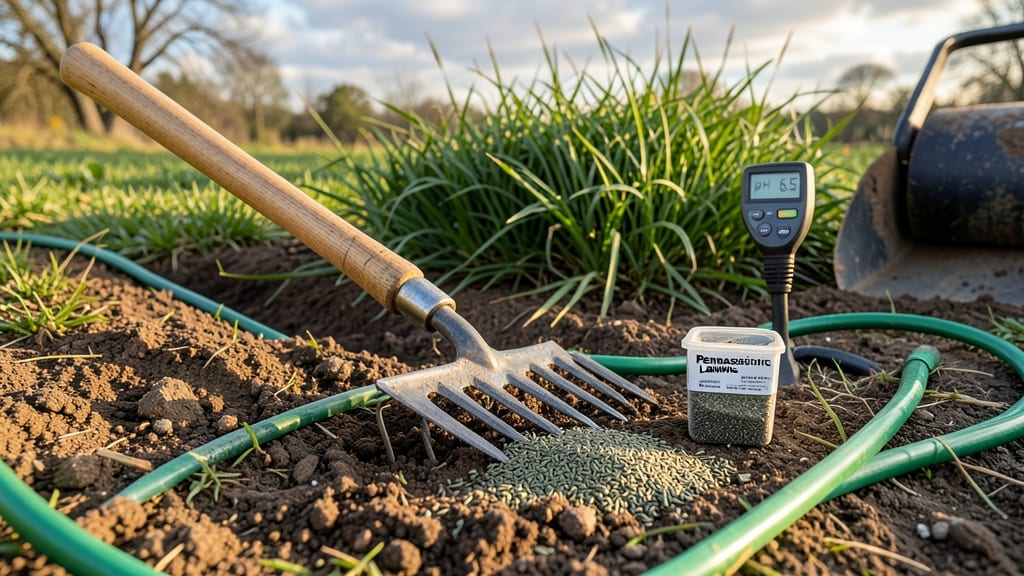
The best time to plant grass seed in Pennsylvania is during early spring March-April or early fall September-October, when soil temperatures and frost-free windows align for optimal germination.
If you’ve ever poured time and money into seeding your lawn only to watch it fail because of a late frost or uneven soil warmth, you know timing is everything.
Pennsylvania’s 5b-7a zones demand precision—plant too early, and cold snaps can kill tender sprouts; too late, and summer heat stresses young roots.
Cool-season grasses like Kentucky Bluegrass thrive when soil reaches 50-60°F, while warm-season types need 65°F+. Urban areas and mountain regions also shift these windows by weeks, making local frost data your secret weapon.
Below, I’ll break down the exact frost-free windows, soil prep tricks, and seed varieties that perform best in PA’s climate—so you can finally get that lush, low-maintenance lawn you’ve been dreaming of.
Ideal Pennsylvania grass planting windows by season: soil temperature & frost guidelines
Timing your grass seed planting in Pennsylvania is all about understanding soil temperatures and frost dates. The Keystone State’s USDA zones 5b-7a mean you’ll need to adjust based on whether you’re planting cool-season grasses (like Kentucky Bluegrass) or warm-season varieties (like Bermuda).
Most gardeners focus on spring and fall, but getting it wrong can lead to poor germination or wasted seed.
Cool-season grasses thrive when soil temps are between 50°F and 65°F, while warm-season grasses need 65°F to 75°F. Pennsylvania’s average last frost date is around April 15, but this shifts 2-3 weeks earlier in southern regions (like Pittsburgh) and 2 weeks later in the mountains (like Scranton).
Likewise, the first frost typically hits October 15, with earlier freezes in rural areas.
*Soil temps and frost dates vary by region—check your local USDA zone for precision.
Spring planting in Pennsylvania offers the longest growing season before summer heat sets in. Aim for March through early April when soil temps consistently stay above 50°F. This gives grass seeds 6-8 weeks of ideal conditions before summer stress kicks in.
If you plant in late April or May, opt for warm-season grasses like Bermuda or Zoysia, which handle heat better but struggle in cooler months.
Fall planting, however, is often more successful because cooler temps reduce weed competition and drought stress. Seed late August through September when soil remains warm enough for germination but nights cool down.
By October, avoid planting—seeds may not establish roots before frost hits. In mountainous regions, like the Poconos, shift planting 2 weeks later to account for earlier freezes.
One common mistake is planting too early in late winter (February) when soil is still cold. Seeds may rot before germinating. Similarly, summer planting (June-August) is risky unless you’re using heat-tolerant varieties, as high temps can dry out seeds before they sprout.
Always test soil temperature with a soil thermometer—aim for 55°F+ for cool-season grasses.
For urban gardeners in Philadelphia or Pittsburgh, microclimates can shift planting windows by 1-2 weeks. City heat islands may allow earlier spring planting, while shaded yards might need later fall timing.
Rural areas, like the Lancaster County countryside, can plant 1 week earlier in spring due to cooler nights. Use your local cooperative extension office for hyper-local frost data.
Pro tip: If you miss the ideal window, consider overseeding in late summer (August) with cool-season grasses to fill gaps before winter. Just ensure soil temps stay above 60°F for 4-6 weeks post-planting.
With the right timing, your Pennsylvania lawn can go from brown patches to lush green in just 6-8 weeks.
Remember, consistent moisture is key after planting—water daily for 2 weeks to keep the top 1/4 inch of soil moist. Use a sprinkler on low setting to avoid washing seeds away.
Once established, your grass will reward you with years of low-maintenance beauty—if you plant at the right time.
How to check soil temperature & prepare your lawn for grass seed success
Before pouring a single seed, soil temperature is your most critical factor in Pennsylvania. Cool-season grasses like Kentucky Bluegrass and Tall Fescue need soil between 50-60°F, while warm-season types like Zoysia require 65°F+. Testing early ensures your seeds won’t bake in summer heat or freeze in late frosts.
Start by using a soil thermometer (available for $10-$15) to check 2 inches deep—the depth where most grass seeds germinate. Morning readings between 9-11 AM give the most accurate results.
If your soil is below 50°F, wait 1-2 weeks or use a lightweight row cover to warm it faster.
- 1 Test Soil Temperature: Use a thermometer 2" deep in morning sun. Aim for 50-60°F for cool-season grasses.
- 2 Aerate Compacted Soil: Rent a core aerator ($50/day) to create 1/2-inch holes every 3-4 inches. This boosts seed-to-soil contact by 40%.
- 3 Kill Weeds & Debris: Apply corn gluten meal (natural pre-emergent) or spray vinegar + dish soap on weeds 24 hours before seeding.
- 4 Level & Loosen Soil: Rake out clumps and fill low spots with topsoil. Use a lawn roller to press seeds lightly into soil (never bury deeper than 1/4 inch).
- 5 Water Deeply & Often: Keep soil consistently moist (not soggy) with 1/2 inch of water daily for the first 2 weeks. Use a sprinkler with fine mist to avoid displacing seeds.
After aerating, remove all debris and apply a starter fertilizer with high phosphorus (P) (e.g., 10-20-10) to fuel root growth. Spread seed evenly using a broadcast spreader or hand-sow in small areas.
For shady spots, mix Fine Fescue seeds (they tolerate 2-4 hours of sun) with your primary blend.
Pro tip: Mark your calendar for 7-21 days post-seeding—this is when germination peaks. If you see uneven sprouting, lightly rake the area and water again. Avoid walking on new grass until it’s 3-4 inches tall to prevent root damage.
Finally, mulch with straw (not wood chips) to retain moisture and protect seeds from birds and wind. Remove mulch once grass reaches 2 inches tall to avoid smothering new growth. With these steps, your Pennsylvania lawn will establish 30-50% faster than average.