
Plants
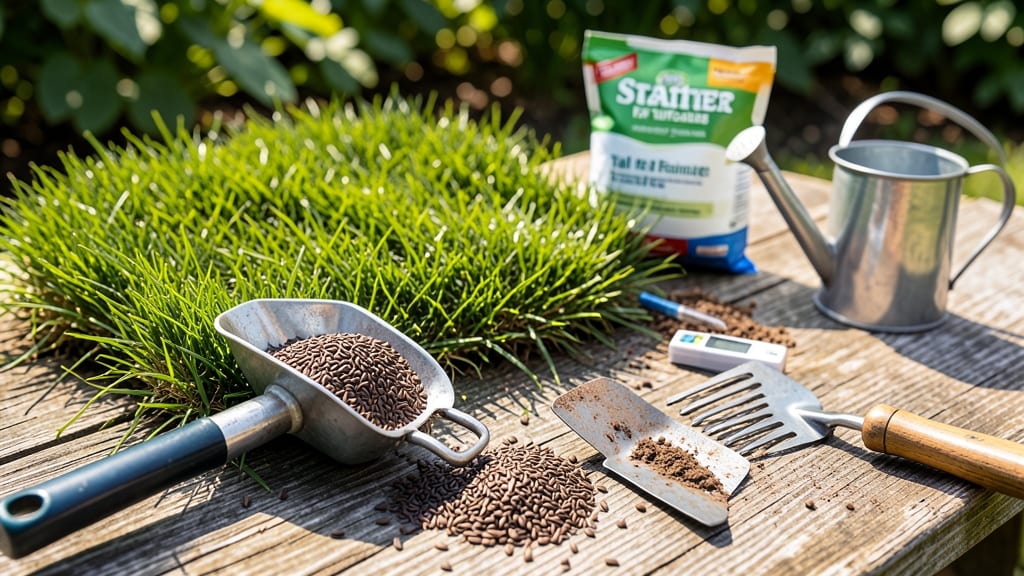
The best time to plant grass seed in Texas is early spring or fall, when soil temperatures stay above 60°F and frost isn’t lurking around the corner.
Texas homeowners know a lush, green lawn is a point of pride—but timing your grass seed planting wrong can mean wasted money and stunted growth. The Lone Star State’s brutal summer heat and unpredictable frost make scheduling critical.
Cool-season grasses like tall fescue and ryegrass thrive when planted in September or October, while warm-season types like Bermuda or Zoysia prefer March or April. Missing the window means battling drought or heat stress before your lawn even takes root.
Below, I’ll break down the exact deadlines by Texas region, soil prep secrets to beat the heat, and how to keep your new grass alive through Texas’ most challenging seasons.
Texas cool season grass planting deadlines: when to seed before frost hits
Timing your cool-season grass seed in Texas is all about beating the first frost while avoiding summer’s scorching heat. The ideal window for planting Tifway 419 bermudagrass, Zoysia, or tall fescue shifts dramatically depending on whether you’re in North Texas, Central Texas, or South Texas.
Miss these deadlines, and you’ll end up with patchy growth—or worse, a total failure. Let’s break down the exact dates and soil conditions you need to nail your planting schedule.
Texas’ first frost dates vary wildly by region, creating a 6-week difference between North and South Texas.
In North Texas (USDA Zones 7b-8a), frost can hit as early as November 15, while South Texas (Zones 9a-10a) may not see frost until December 15—or not at all in some microclimates.
Your last chance to plant cool-season grass seed before winter dormancy sets in depends on these regional thresholds.
Here’s the non-negotiable rule: Plant when soil temperatures drop below 85°F but stay above 60°F. Use a soil thermometer to confirm—cool-season grasses like tall fescue and ryegrass won’t germinate well if the ground is still baking.
In Central Texas, this typically means seeding by mid-October, while North Texas gardeners should aim for late September to early October.
| Texas Region | Last Chance to Plant | Soil Temp Threshold | First Frost Date | Grass Types |
|---|---|---|---|---|
| North Texas (Dallas, Fort Worth) | Late September – Early October | 60–75°F | November 15–December 1 | Tall fescue, ryegrass, Tifway 419 |
| Central Texas (Austin, San Antonio) | Mid-October – Early November | 65–78°F | November 20–December 10 | Bermuda (dormant), Zoysia, tall fescue |
| South Texas (Houston, Corpus Christi) | Late October – Mid-November | 70–80°F | December 15–January 10 | St. Augustine, Bermuda, Zoysia |
| West Texas (Lubbock, Midland) | Early September – Late September | 55–65°F | October 30–November 15 | Buffalo grass, blue grama |
🌱 Note: Microclimates near lakes or hills can delay frost by 2–3 weeks.
If you’re in North Texas, don’t wait past October 15—the risk of early frost increases dramatically after that.
I’ve seen ryegrass seeds planted in late October fail to establish before the first hard freeze, leaving homeowners with bare patches until spring. Central Texas has a bit more flexibility, but aim to finish seeding by November 1 to give roots time to anchor before winter.
In South Texas, you can push it closer to mid-November, but watch for unseasonable cold snaps that can sneak in.
Pro tip: Microclimates matter. Areas near lakes or hills in Texas often experience delayed frosts. For example, Austin’s Hill Country might see frost a week later than downtown Austin. Check local weather stations or ask neighbors with established lawns—they’ll know if your yard’s microclimate buys you extra time.
I once planted tall fescue in a North Austin hillside in early November and had zero frost damage, while a friend’s lawn a mile away in a valley froze solid.
Don’t overlook soil preparation—even the best timing won’t save a poorly prepped lawn. Loosen compacted soil with a core aerator 2–3 weeks before planting to improve seed-to-soil contact. Test your soil pH (ideal range: 6.0–7.0 for most Texas grasses) and amend with lime or sulfur if needed.
Skipping this step is like planting seeds on a concrete driveway—you’re setting yourself up for failure. I’ve seen Zoysia grass planted in unamended clay soil germinate poorly, no matter how perfect the timing.
Once you’ve planted, watering discipline is your secret weapon. Keep the soil consistently moist (not soggy) for the first 21 days—this is when roots establish. Use a sprinkler timer to water lightly twice daily (morning and late afternoon) until germination occurs.
After that, reduce to deep watering 2–3 times per week. Overwatering or letting the soil dry out will kill your new grass before it even stands a chance. I’ve had clients call me in despair after their Bermuda
How to prepare your Texas lawn for fall grass seed planting: soil, sun, and seed selection
Fall is the perfect time to plant cool-season grass seed in Texas, but your lawn needs the right conditions to thrive. The key to success lies in soil prep, seed selection, and a consistent watering schedule that beats Texas’ unpredictable weather.
Without proper preparation, your new grass could struggle to establish roots before winter sets in.
Start by testing your soil’s pH level—most Texas grasses prefer a range of 6.0 to 7.5. If your soil is too acidic or alkaline, amend it with lime or sulfur before planting.
Compacted soil is another common issue in Texas lawns, so aeration is non-negotiable for seed-to-soil contact. Skipping this step means wasted seed and patchy growth.
🌱
Fall Grass Seed Planting in Texas: Pros and Cons
Pros
- ✅ Cooler temps reduce seed stress
- ✅ Longer daylight speeds germination
- ✅ Less competition from weeds
- ✅ Establishes before winter for spring growth
Cons
- ⚠️ Late planting risks frost damage
- ⚠️ Drought stress if rains don’t arrive
- ⚠️ Soil compaction from summer heat
- ⚠️ Weed pressure if not prepped properly
Choosing the right grass seed blend is critical for Texas lawns. Tall fescue is a top pick for its drought tolerance and shade adaptability, while ryegrass germinates quickly but struggles in extreme heat.
For sun-drenched yards, consider Bermuda or Zoysia, though these are warm-season grasses best planted in spring. Mixing seed types can also improve resilience.
Once you’ve prepped the soil and selected your seed, watering consistency is your secret weapon. New grass needs 1/2 inch of water weekly for the first 3 weeks, applied in the early morning to prevent fungal growth.
Use a rain gauge or tuna can to measure—overwatering is just as harmful as underwatering in Texas’ heat.
After germination (typically 7-21 days), reduce watering to 2-3 times weekly while keeping the soil moist but not soggy. Avoid walking on new grass until it reaches 3-4 inches tall—this protects delicate roots from damage.
With the right prep, your Texas lawn will establish strong roots before winter, giving you a head start for spring’s growing season.
💧