
Plants
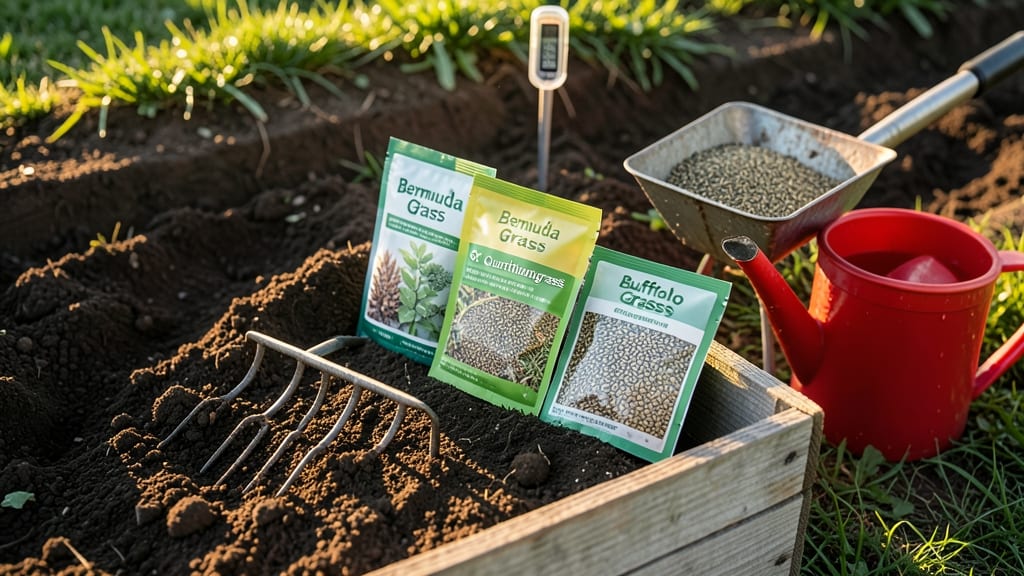
You plant grass seed in Texas during early spring or late summer/early fall 🌱 — timing that avoids the brutal summer heat and maximizes root growth before winter dormancy.
Planting grass seed at the wrong time in Texas can mean thin lawns, wasted money, and battling drought before your grass even takes root. Timing is everything—especially in Texas’ brutal heat and unpredictable rains.
Fall is the best window for most grass types, with North Texas aiming for August-September and South Texas stretching into October. Early spring works too, but only if you beat the heat by mid-April.
Below, I break down the exact deadlines by region, soil prep secrets for Texas’ clay-heavy soils, and how to choose drought-resistant varieties like Bermuda or Buffalo Grass that thrive in 6a-10a climates.
Best Texas grass seed planting windows: fall deadlines by region
Texas’ extreme heat and unpredictable rains make fall the best time to plant grass seed—if you act fast. North Texas has a shorter window than South Texas, where mild winters allow later planting. Missing these deadlines means battling drought stress or fungal diseases before your lawn establishes.
Cool-season grasses like Tall Fescue and Ryegrass thrive when planted 4-6 weeks before first frost, while warm-season grasses like Bermuda and St. Augustine need soil temps above 60°F. Below is your region-specific guide to avoid wasted seed and thin patches.
⚠️ Critical Note: Texas’ USDA Zones 6a-10a mean frost dates vary wildly—North Texas gets frost by November 15, while South Texas rarely sees frost. Plan accordingly or risk poor germination.
| Region | Ideal Planting Window | Last Chance Deadline | Grass Types | Soil Temp Requirement | Drought Tolerance |
|---|---|---|---|---|---|
| North Texas (Dallas, Fort Worth) | August 15 – September 15 | October 1 (before first frost) | Tall Fescue, Ryegrass, Bermuda | 60°F+ (cooler for Fescue) | Moderate (needs irrigation) |
| Central Texas (Austin, San Antonio) | September 1 – October 15 | November 1 (mild winters) | Buffalo Grass, St. Augustine, Zoysia | 65°F+ (warmer for Bermuda) | High (native grasses) |
| South Texas (Houston, Corpus Christi) | September 15 – November 1 | December 1 (rare frost) | St. Augustine, Centipede, Bermuda | 70°F+ (tropical grasses) | Very High (native adaptability) |
For North Texas, August-September is your golden window—Tall Fescue and Ryegrass germinate quickly when soil temps drop below 85°F. Plant after September 15, and you’ll risk fungal diseases from lingering summer heat and first frost cutting growth short.
Central Texas gardeners have until mid-October to plant Buffalo Grass or Zoysia, which thrive in USDA Zone 8a. These drought-resistant grasses establish roots before winter, so they bounce back faster in Texas’ unpredictable springs.
In South Texas, where St. Augustine and Centipede Grass dominate, you can plant as late as November—but September-October is ideal. These grasses love humidity and high heat, but overwatering in winter can suffocate roots. Aim for 1 inch of water weekly and let nature handle the rest.
Pro tip: Test your soil’s moisture before planting—dry soil means seeds won’t germinate, while soggy soil causes rot. Use a moisture meter or the squeeze test: if soil clumps when pressed, it’s ready. If it crumbles, water first.
After planting, cover seeds lightly with starter fertilizer (high in phosphorus) and mulch with straw to retain moisture. Water lightly twice daily for 14 days, then taper to deep watering 2-3x weekly. Avoid walking on new grass until it’s 3-4 inches tall.
Missed the fall window? Early spring (March-April) is your second chance, but Bermuda Grass and Zoysia need soil temps above 65°F to germinate. Plant too early, and cool soils will delay growth—wasting your $50-$100 seed investment.
Remember: Texas’ droughts don’t care about your planting schedule. Native grasses like Buffalo Grass or Blue Grama need 30% less water than Fescue, making them smarter choices for water
How to prepare your Texas soil for fall grass seed success
Fall is your best shot for a lush Texas lawn, but soil prep makes or breaks success. Texas soils are often clay-heavy and compacted, which blocks water and roots. Without proper prep, even the best grass seed will struggle to germinate or establish.
I’ve seen thin, patchy lawns where homeowners skipped soil testing or ignored irrigation needs. The key? A 4-step checklist that balances organic matter, pH, moisture, and weed control—all tailored to Texas’ 6a-10a climates. Let’s break it down.
- Test soil pH (6.0–7.5) – Use a home test kit or send a sample to your local AgriLife Extension. Texas clay often skews alkaline (high pH), which locks out nutrients.
- Add 2–3 inches of compost – Work in well-rotted compost or aged manure to loosen clay and boost organic matter. Aim for 1–2% organic content in your soil.
- Level and rake the area – Remove rocks, debris, and clumps. Use a bow rake to create a fine, crumbly texture—like cake batter, not sand.
- Set up irrigation before planting – Install a soaker hose or sprinkler system to deliver 1 inch of water daily for the first 2 weeks. Texas’ drought winds can dry seeds out fast.
- Apply pre-emergent herbicide 4–6 weeks before seeding – Use corn gluten meal or a synthetic pre-emergent (like Dimension) to block weeds. Wait 30–60 days after applying before planting seed.
Don’t skip the pH adjustment if your soil tests high. Lime raises pH, while sulfur or peat moss lowers it. For example, if your soil is 7.8 (too alkaline), add elemental sulfur at 2–4 lbs per 100 sqft and retest in 2–3 months.
Once your soil is prepped, seed depth matters too. Plant cool-season grasses (like Tall Fescue) at ¼-inch deep, and warm-season grasses (like Bermuda) at ⅛-inch deep. Lightly cover seeds with soil and water gently to avoid washing them away.
After planting, keep the soil moist but not soggy. Texas’ fall rains can be unpredictable, so check daily. If you see fungal growth (mold or gray patches), reduce watering slightly and improve airflow by lightly raking the lawn.
With this checklist, your fall grass seed will germinate faster, outcompete weeds, and establish roots before winter. Skip a step, and you’ll be fighting bare spots next spring—trust me, I’ve been there! 🌱