
Plants
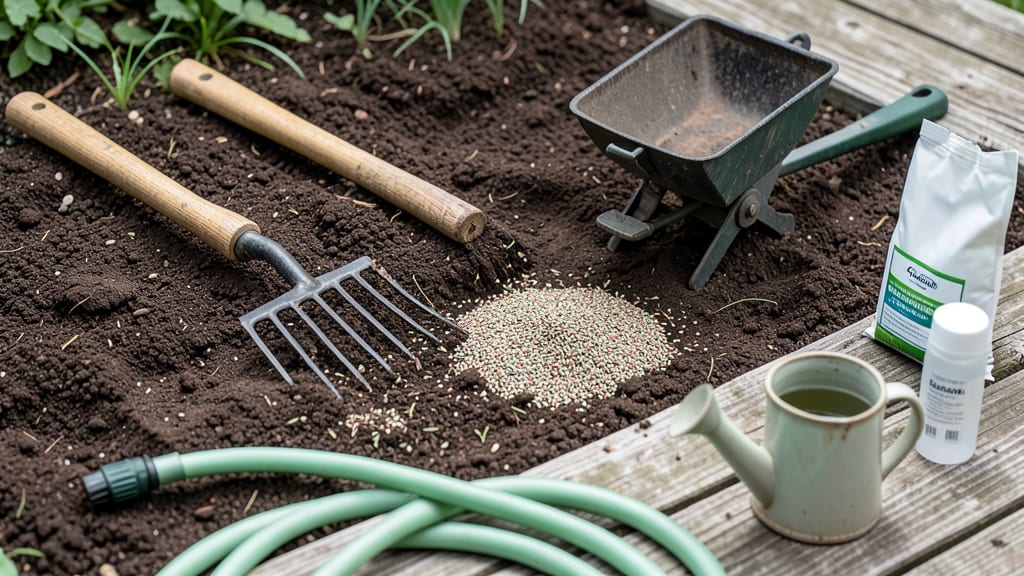
The best time to plant grass seed in the spring is when soil temperatures hit 50°F–65°F—a window that varies by USDA zone and grass type, but missing it can mean patchy germination and wasted effort.
Picture this: you’ve spent good money on premium grass seed 🌱, only to watch it sprout unevenly—or not at all—because you planted too early or too late. The difference between a lush lawn and a frustrating do-over often comes down to timing, soil prep, and knowing your local climate quirks.
Cool-season grasses like Kentucky bluegrass thrive when planted in early spring (March–April), while warm-season varieties like Bermuda prefer late spring (May–June). But soil temperature is the real game-changer—too cold, and seeds rot; too hot, and they dry out before germinating.
In this guide, I’ll break down the exact soil temps, zone-specific deadlines, and regional tweaks (like northern vs. southern adjustments) to ensure your grass seed germinates fast and establishes roots before summer heat sets in.
Ideal soil temperature and USDA zone deadlines for spring grass seed planting
Timing your spring grass seed planting is one of the most critical factors for a lush, healthy lawn. The soil temperature must reach 50°F–65°F for optimal germination, while USDA zone deadlines vary dramatically across regions.
Plant too early, and frost will kill tender sprouts; too late, and summer heat stresses young grass. Let’s break down the exact windows you need to know.
Most cool-season grasses like Kentucky bluegrass and tall fescue thrive when planted in early spring (4–6 weeks before your last frost date). Meanwhile, warm-season grasses such as Bermuda and zoysia prefer late spring planting (after soil warms to 65°F+).
Your USDA zone determines the precise deadline—miss it, and you risk patchy growth or wasted seed.
Soil temperature is your best indicator, not just the calendar. Use a soil thermometer to check morning readings at a 2-inch depth. For cool-season grasses, aim for 50°F–55°F; for warm-season types, wait until 65°F–75°F. Cold soil slows germination, while overheated soil can scorch seeds.
Here’s the USDA zone breakdown for spring planting deadlines. Use this as your guide to avoid missed opportunities:
In northern zones (3–5), planting too early risks frost damage, while southern zones (8–11) demand quick action before summer heat sets in. For example, in Zone 5, aim to plant Kentucky bluegrass by April 15—any later, and summer drought weakens germination.
Meanwhile, in Zone 9, Bermuda grass should go in by March 15 to avoid heat stress.
Don’t rely solely on dates—soil moisture and rainfall forecasts matter too. Dry soil can delay germination even if temperatures are ideal. Before planting, water the area deeply to 1–2 inches below the surface. This ensures seeds stay hydrated during the critical first 7–14 days, when roots establish.
If your region experiences unpredictable springs (like late frosts in Zone 6 or early heatwaves in Zone 8protective mulch. Apply a thin layer of straw or peat moss to insulate seeds and retain moisture. This buys you 2–3 extra weeks without risking frost or drought.
One common mistake is planting warm-season grass too early in cooler zones. For instance, zoysia grass in Zone 7 won’t germinate well if soil is below 65°F. Wait until late spring when soil consistently stays above 70°F for at least a week.
Use a soil thermometer to track daily fluctuations—this is your best tool for precision planting.
For cool-season grasses, early spring is ideal, but don’t rush—wait until
Not all grass seeds are created equal—and neither are their planting windows. Cool-season grasses like Kentucky bluegrass and fescue need to hit the ground 4-6 weeks before your last frost date, while warm-season varieties such as Bermuda and zoysia wait until soil warms to 65°F–75°F. The wrong timing can mean seeds rotting in cold soil or drying out before sprouting. Your USDA zone dictates everything: Northern gardeners plant cool-season grass in March–April, while Southerners delay until May–June to avoid summer heat stress. Even within zones, soil temperature is the real deadline—never plant before it reaches 50°F, or seeds will fail to germinate. 🌱 Comparison Table: Cool-Season vs. Warm-Season Grass Planting Windows If your spring is unusually early or late, don’t panic. For cool-season grasses, use a soil thermometer to confirm temps—if it’s below 50°F, delay planting. For warm-season grasses, mulch heavily to keep soil warm if you’re eager to plant before ideal temps arrive. Pro tip: In USDA Zones 5–7, early springs can trick you into planting too soon. If frost is still a risk, cover seeds with straw mulch (2–3 inches) to protect them until soil warms. For Southern zones, avoid planting Bermuda before May—the heat will dry out seeds before germination. Adjusting your planting time by grass type isn’t just about months—it’s about soil conditions, local microclimates, and even last year’s weather patterns. Start with a soil test to confirm pH (ideal: 6.0–7.5) and amend as needed before seeding. This small step can mean the difference between a thin, patchy lawn and a dense, vibrant turf by summer.How to adjust planting time by grass type (cool-season vs. warm-season)