
Plants
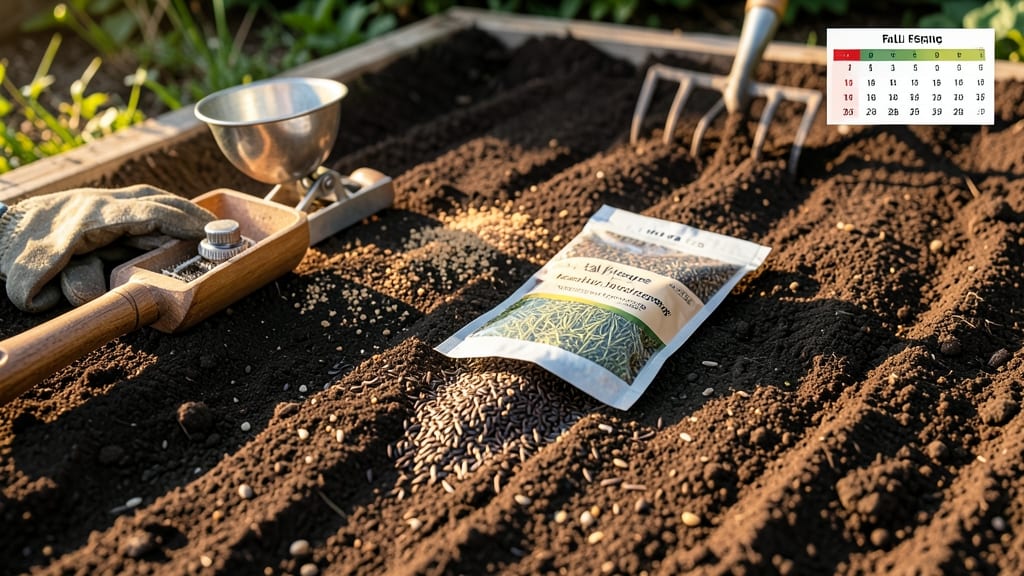
The best time to plant grass seed in Virginia is early fall or spring, when soil temperatures hover between 50°F and 65°F—a window that makes all the difference between a lush lawn and a patchy disappointment.
Picture this: you’ve spent your hard-earned money on quality grass seed 🌱, only to watch it sprout unevenly or fail entirely because you planted at the wrong time. In Virginia’s varied climate—from the cooler mountains to the warmer coastal plains—timing isn’t just important; it’s the key to success.
Cool-season grasses like fescue and bluegrass thrive when planted 4-6 weeks before the first frost in fall or right after the last frost in spring. But here’s the catch: Virginia’s USDA zones 5b-8a mean your neighbors’ perfect timing might not work for you.
In this guide, I’ll break down the exact planting windows for your zone, how to prep your soil for germination, and the three biggest mistakes Virginia gardeners make—so you can skip the guesswork and get a lawn that’s the envy of the block.
Virginia’s ideal grass seed planting windows by cool season zones
Virginia’s cool-season grass varieties like tall fescue and Kentucky bluegrass thrive when planted during specific windows—early fall and early spring—when soil temperatures hover between 50°F and 65°F.
Missing these windows can lead to slow germination, weed competition, or even seed failure. Let’s break down the perfect planting times for Virginia’s three main USDA zones.
Why timing matters: Grass seed needs consistent moisture and moderate temperatures to germinate. Planting too early in spring risks frost damage, while late summer heat can bake seeds before they sprout. Fall planting, however, gives grass a head start before winter dormancy.
For Northern Virginia (zones 7a-6b), the best window is mid-August to early October—this gives grass 6-8 weeks to establish roots before winter. If you miss fall, late March to late May is your second chance, but avoid planting after May 30 when summer heat arrives.
In Central Virginia (zones 7b-6a), aim for late August to mid-October in fall. Spring planting should wrap up by early May to avoid heat stress. This zone’s mild winters allow for a slightly later fall window than Northern VA.
Southern Virginia’s warmer climate (zones 8a-7a) extends the fall window to November, but September is ideal for best results. Spring planting here starts earlier (early March) to capitalize on cooler temperatures before summer arrives.
Pro tip: Use a soil thermometer to confirm temps are 50°F–65°F before planting. Early morning is the best time to check—soil cools overnight and may not reflect midday heat. If temps spike above 70°F, wait for cooler days.
What if you miss these windows? Late summer (July) can work for shade-tolerant varieties like fine fescue, but germination will be slower. Alternatively, overseed in early spring (February) for a patchy but faster result than summer.
Remember: Watering frequency changes with season. After planting, water lightly daily for 14 days to keep soil consistently moist. Once established, reduce to 2-3 times per week in summer and 1-2 times per week in fall.
🌱
Critical factors that determine success beyond just timing
While calendar dates give you a starting point, soil temperature and moisture levels are the real game-changers for grass seed success in Virginia. I’ve seen cool-season grasses like tall fescue and Kentucky bluegrass thrive in one yard while failing just a few miles away—because the microclimate made all the difference.
Even if you follow the "plant in September" rule, your soil might still be too hot or dry for germination.
Virginia’s diverse geography—from the Piedmont’s rolling hills to the Coastal Plain’s humid lowlands—means a one-size-fits-all approach won’t work. For example, the Shenandoah Valley (Zone 6b) might have 55°F soil in early September, while the Tidewater region (Zone 8a) could still be sitting at 70°F.
Planting at the wrong temperature can delay germination by weeks or invite fungal diseases.
Here’s the hard truth: Calendar dates are just a guideline. Your lawn’s success depends on three critical factors—soil temperature, moisture consistency, and local microclimates—that often override what the planting chart says.
Let me show you how to test your soil’s readiness before you even open that grass seed bag.
⚠️ Warning: Soil Temp > Calendar
Never plant when soil temps exceed 65°F—even if it’s "planting season." Heat-stressed seeds may sprout weakly or invite fungal diseases. Use a soil thermometer ($10 at garden centers) to check 2 inches deep—the depth where roots establish.
🌡️ Ideal range: 50–65°F for cool-season grasses. If your soil hits 70°F+, wait 2–4 weeks or switch to warm-season grasses like Bermuda.
Testing soil moisture is just as critical. I once planted Kentucky bluegrass in late August in the Richmond area, only to watch it dry out within days because the Coastal Plain’s sandy soils drain too quickly.
A simple DIY moisture test saves money: Grab a handful of soil—if it crumbles when dry, water before planting. If it sticks together like clay, it’s too wet and needs drying or aeration.
Regional microclimates add another layer. The Blue Ridge Mountains (Zone 6b) might have cooler, wetter springs than the Northern Neck (Zone 7b), where droughts are common.
Check your local USDA zone and ask neighbors about their first frost dates—your yard’s microclimate could be 2–4 weeks ahead or behind the "average."
Pro tip: Combine a soil thermometer with the "squeeze test" for moisture. Plant when your soil is warm but not hot, and holds moisture like a damp sponge. This combo beats guessing by calendar dates every time.
For Virginia’s fall planting window, aim for late August to mid-September in most zones—but always verify with your local Cooperative Extension office.
Remember: Perfect timing isn’t about the date—it’s about giving your grass seed the ideal conditions to germinate and grow. Skip the shortcuts, test your soil, and your lawn will thank you with dense, weed-resistant coverage all season. 🌱