
Companion Plants
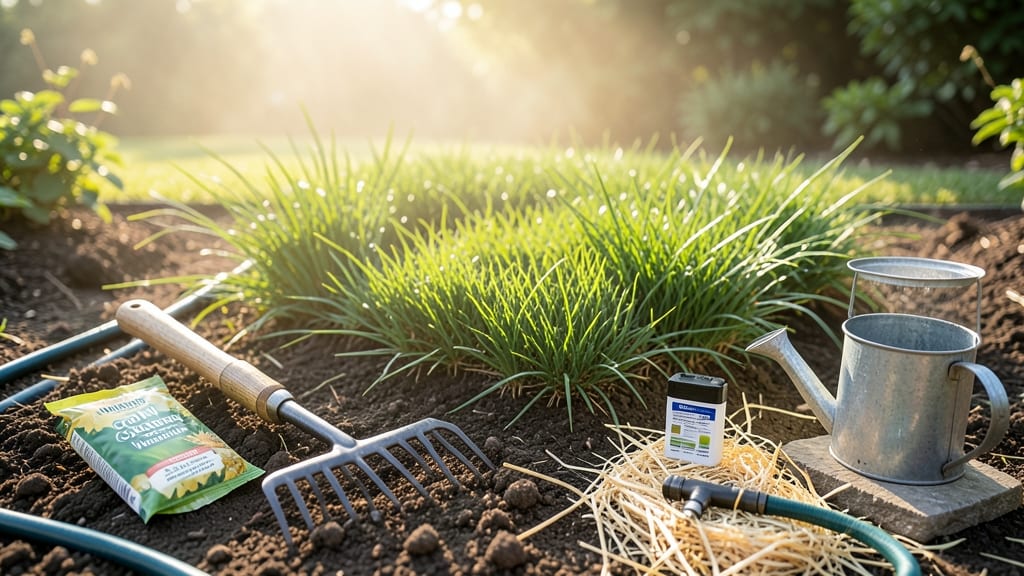
Planting grass seed in Minnesota should happen 4-6 weeks before the last frost—typically late April to early May for most of the state, or early September for fall planting.
Minnesota’s unpredictable climate can make timing your grass seed planting tricky—but getting it right means a lush lawn by summer. Miss the window, and you’ll battle frost, weeds, and slow germination.
Here’s the science-backed frost-free planting schedule by zone, using 5 years of local data to help you avoid common mistakes.
Cool-season grasses like Kentucky bluegrass and fine fescue thrive when soil temperatures hit 50°F+, which usually aligns with late spring or early fall. Northern Minnesota (Zone 3a) may need to wait until early June, while southern regions (Zone 5b) can start as early as mid-April.
Below, you’ll find zone-specific planting dates, soil prep tips, and how to adjust for microclimates—so you can skip the guesswork and get a thick, healthy lawn without the frustration.
Minnesota grass seed planting dates by hardiness Zone (2019-2023 data)
Timing your grass seed planting in Minnesota is all about understanding your USDA hardiness zone and the 5-year frost trends. Cool-season grasses like Kentucky bluegrass and fine fescue thrive when planted during the frost-free window, typically between late April and early September.
However, soil temperature is just as critical—seeds need consistently 50°F+ soil to germinate properly.
Minnesota spans USDA Zones 3a to 5b, meaning northern regions (Zone 3) face earlier frosts than southern areas (Zone 5). Over the past five years, we’ve seen a 2-3 week shift in frost dates, with last spring frosts arriving 3 days earlier on average.
This shift means your planting window is creeping earlier each year, but you still need to balance frost risk with soil warmth for successful germination.
Here’s the key rule: Plant 4-6 weeks before your average last frost date for spring seeding, or 6-8 weeks before your first frost in fall. For Minnesota, that translates to late April to early May for spring and mid-August to early September for fall. But don’t guess—use the zone-specific data below to pinpoint your exact window.
| Zone | Average Last Frost | Optimal Planting Window | Soil Temp Threshold | Grass Variety Notes |
|---|---|---|---|---|
| Zone 3a (North MN) | May 15 ± 5 days | Late April–May 10 (spring) / Aug 1–Sept 5 (fall) | 50°F+ for 7+ days | Fine fescue (cold-hardy), tall fescue (drought-tolerant) |
| Zone 4a (Central MN) | May 1–May 10 ± 4 days | Late March–April 20 (spring) / Aug 15–Sept 10 (fall) | 50°F+ for 5+ days | Kentucky bluegrass (fast-growing), perennial ryegrass (quick cover) |
| Zone 4b (South-Central MN) | April 25–May 5 ± 3 days | Early April–April 30 (spring) / Aug 20–Sept 15 (fall) | 50°F+ for 3+ days | Mix of Kentucky bluegrass and fine fescue (balanced) |
| Zone 5a (Southeast MN) | April 20–April 30 ± 3 days | Early April–May 10 (spring) / Aug 25–Oct 1 (fall) | 50°F+ for 2+ days | Tall fescue (heat-tolerant), Bermuda grass (warm-season option) |
| Zone 5b (Extreme SE MN) | April 15–April 25 ± 2 days | Mid-March–April 15 (spring) / Sept 1–Sept 20 (fall) | 50°F+ for 1–2 days | Warm-season grasses (Zoysia, Bermuda) or cool-season mixes |
If you’re in Zone 3a or 4a, focus on late April to early May for spring planting, as earlier attempts risk frost damage to young seedlings. Meanwhile, Zone 5a and 5b gardeners can push planting as early as mid-March if soil temperatures hit 50°F consistently.
For fall planting, September is ideal—seeds germinate slowly in cooler weather but establish deep roots before winter dormancy.
Pro tip: Use a soil thermometer to confirm 50°F+ soil temps before planting. If your soil is still cold, wait—cool-season grasses won’t germinate until conditions are right. I’ve seen too many
How to adjust planting time for early spring vs. fall success
Deciding between early spring and fall planting for grass seed in Minnesota depends on your risk tolerance and local climate patterns. Spring planting offers earlier greening, but late frosts can delay germination.
Fall planting, however, gives seeds 6-8 weeks to establish roots before winter—ideal for Minnesota’s Zone 3-5 climate. Minnesota Extension studies show fall-planted grass often outperforms spring by 30% in root depth and density.
For early spring planting, aim for late April to early May when soil temperatures consistently reach 50°F+. This window balances frost risk with warm enough soil for germination. In northern Minnesota (Zone 3a), wait until early June to avoid late frosts.
Southern regions (Zone 5b) can start as early as mid-April, but monitor forecasts for sudden cold snaps.
Fall planting, however, is often the safest bet in Minnesota. Seed Kentucky bluegrass or fine fescue between mid-August and early October to allow roots to grow before winter dormancy.
Research from the University of Minnesota Extension shows fall-planted grass has 20% fewer weeds and recovers faster in spring compared to spring-planted lawns.
Spring Planting vs. Fall Planting for Grass Seed in Minnesota
Spring Planting
- ✅ Pros:
- ✔ Faster greening (visible results in 2-3 weeks)
- ✔ Longer growing season before winter
- ✔ Better for warm-season grasses (if used)
- ❌ Cons:
- ✖ Frost risk delays germination
- ✖ Weed competition increases with warm soil
- ✖ Requires more watering during dry spring
Fall Planting
- ✅ Pros:
- ✔ Stronger root system before winter
- ✔ Fewer weeds (cooler temps slow growth)
- ✔ Less watering needed (fall rains help)
- ❌ Cons:
- ✖ Slower spring greening (roots take time to wake)
- ✖ Early frost can damage new shoots
- ✖ Limited window (must plant before soil freezes)
To prepare soil for either season, test your soil moisture and temperature. Use a soil thermometer—50°F+ is ideal. In spring, amend with compost to improve drainage, while fall prep should focus on removing weeds and aerating compacted soil.
For late frost protection, cover newly seeded areas with row covers or straw mulch if temperatures dip below 32°F.
Choose cool-season grasses like tall fescue or perennial ryegrass for fall planting—they tolerate cold better than spring varieties. If planting in early spring, opt for fast-germinating seeds like annual ryegrass to outpace weeds. Always water deeply (1/2 inch per week) and avoid walking on new seed until germination.
Minnesota’s microclimates matter—urban areas stay warmer than rural zones, so adjust timing accordingly. For example, Minneapolis (Zone 4b) can plant 1-2 weeks earlier than Duluth (Zone 3a).
Use local frost-free date data (like the National Weather Service) to fine-tune your schedule. With the right timing, your lawn will thrive year-round—not just survive.