
Lawn
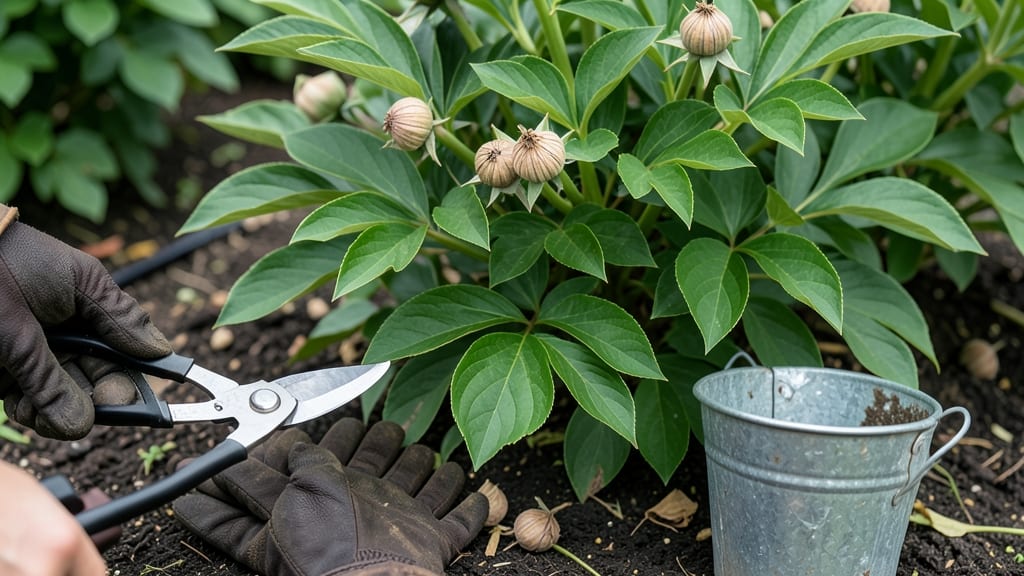
Cut off peony seed pods in late summer or early fall 🌸 when they turn brown and dry, just before they split open naturally.
Why does timing matter so much? If you wait too long, the pods scatter seeds everywhere, turning your garden into a peony jungle. But remove them too soon, and you rob your plants of energy they need for next year’s stunning blooms.
This simple step keeps your peonies strong and prevents unwanted seedlings from popping up all over. Plus, it’s the key to ensuring those lush, healthy plants you love so much.
Below, I’ll walk you through the exact steps to harvest the pods, whether to compost or save them, and how to avoid common mistakes that can harm your peonies.
The perfect timing to prune peony seed pods for optimal plant health
Peonies produce stunning blooms followed by seed pods that can either become a gardener’s treasure or an energy drain for your plants. The critical window for pruning these pods is late summer to early fall, typically between September and October in most USDA zones.
This timing aligns with your peony’s natural energy conservation phase, preventing it from wasting resources on seed production when it should focus on root strengthening for next year’s blooms.
Scientifically, peony seed pods mature when they turn brown and papery, signaling that the seeds inside are fully developed. Removing them at this stage ensures you capture viable seeds while allowing the plant to redirect its energy toward root growth and dormancy preparation.
Delaying too long risks fungal infections or weakened stems, while cutting too early can result in immature seeds that won’t germinate successfully.
Here’s what to watch for: foliage yellowing and pods splitting open naturally are your clearest cues. These signs indicate the plant is transitioning from active growth to dormancy—a perfect time to intervene. Ignoring these visual signals can lead to overcrowded plants or reduced flowering potential in subsequent seasons.
| Stage | Pod Appearance | Plant Condition | Action |
|---|---|---|---|
| Early Summer | Green, firm pods | Healthy foliage, active growth | Leave pods intact |
| Late Summer | Brown, papery pods | Foliage yellowing | Remove pods (ideal time) |
| Early Fall | Dry, split-open pods | Foliage fully died back | Remove pods (last chance) |
| Winter | No pods (dormant) | Plant dormant | No action needed |
Pruning at the right time also reduces disease risk. Wet seed pods left on the plant create ideal conditions for fungal spores to thrive, especially in humid late-summer conditions.
By removing mature pods, you minimize the chance of powdery mildew or botrytis, common peony ailments that can weaken stems and reduce next year’s bloom quality.
If you’re harvesting seeds, aim to collect pods when they’re brown but not yet split open. This ensures maximum seed viability while still allowing the plant to conserve energy.
For gardeners not interested in seeds, removing pods entirely prevents self-seeding, which can lead to overcrowded peony beds and reduced air circulation around stems.
Timing isn’t just about the pods—it’s also about the plant’s overall health. Peonies in USDA zones 3-8 follow similar seasonal cues, but adjust slightly based on your local first frost date.
In warmer climates, you might extend pruning into early November, while colder regions should act by early October to avoid winter damage.
One common misconception is that you should wait until pods are completely dry and brittle. While this might seem logical, waiting too long can stress the plant.
The optimal moment is when pods are 70-80% dry—brown but still slightly pliable. This balance ensures you capture mature seeds without overstressing the plant’s resources.
Pro tip: Mark your calendar for late September as your target date. This gives you a buffer to act before the first frost, ensuring you’re not rushing to prune in cold or wet conditions.
Pair this with a quick inspection of your peony’s foliage—if leaves are starting to yellow, it’s time to act.
Remember, peonies are long-lived perennials, and proper seed pod management directly impacts their longevity and bloom quality. By mastering this timing, you’ll set your plants up for healthier roots, stronger stems, and more abundant flowers in the seasons to come. 🌸
Step-by-step guide: how to safely Remove peony seed pods without harming the plant
Now that you know the perfect timing, let’s dive into the step-by-step process for removing peony seed pods safely. Using the right tools and technique ensures you don’t damage the plant while harvesting seeds or simply tidying up your garden.
Start with a clean, sharp pair of pruning shears or small hand pruners—dull tools can crush stems and invite disease.
Gently grasp the seed pod stem just above where it meets the main stem. Make a clean cut at a 45-degree angle about ¼ inch above the next leaf or bud. This angled cut helps water run off, reducing the risk of rot.
If you’re saving seeds, place the pods in a paper bag to dry completely before opening them—this prevents premature seed loss or spoilage.
- Step 1: Inspect pods for brown, papery texture and foliage yellowing (late September ideal).
- Step 2: Use sterilized pruners to cut 1/4 inch above the leaf node at a 45-degree angle.
- Step 3: For seeds, place pods in paper bags to dry; for disposal, toss in compost or trash.
- Step 4: Remove any dead or diseased foliage immediately after pruning.
- Step 5: Apply 2-3 inches of mulch around the base to protect roots.
After removing the pods, take a moment to assess the plant’s overall health. Look for any yellowed or brown leaves that may have been affected by fungal spores from the pods. Remove these immediately and dispose of them in the trash—not the compost—to prevent reinfection.
This is also a great time to apply a light layer of mulch (2-3 inches) around the base of the plant to protect the roots as winter approaches.
If you’re saving seeds, allow the pods to dry indoors for about 1-2 weeks before opening them. Once dry, gently squeeze the pods to release the seeds. Store them in a cool, dry place until you’re ready to plant them.
For gardeners who don’t want seeds spreading, simply toss the pods into the trash or compost (avoid composting if pods show signs of disease).
Post-pruning care is crucial for maintaining your peony’s vigor. Reduce watering slightly in late fall as the plant enters dormancy, but keep the soil lightly moist to avoid stress. Avoid fertilizing after mid-summer, as this can encourage late growth that’s vulnerable to frost damage.
Instead, focus on root protection by adding a thick layer of mulch before the first frost.
By following these steps, you’ll ensure your peonies stay healthy, strong, and ready to bloom spectacularly next season. The key is acting at the right time with the right tools—this small effort pays off with bigger, healthier blooms and fewer pests or diseases in your garden. 🌸