
Plants
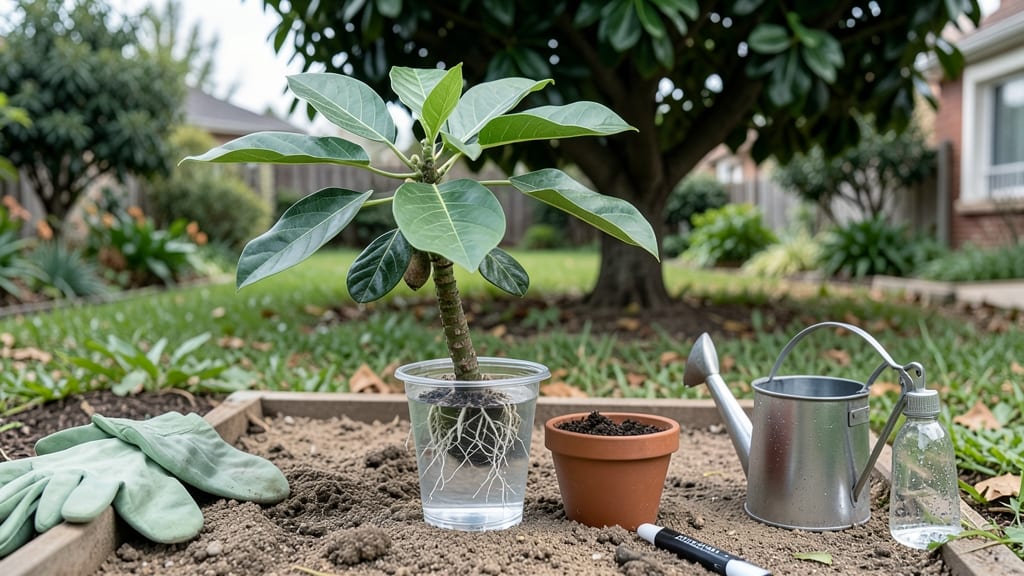
To plant an avocado seed in dirt at the right time means faster sprouting and stronger roots—warm soil is the key to success.
Struggling to grow an avocado tree from a seed? Timing is everything—planting at the wrong time can mean weeks of waiting or even failure, while the right conditions trigger rapid sprouting and stronger roots.
In Zone 6, aim for late spring to early summer when soil temperatures hit 70–85°F, ensuring your 🥑 seedling gets off to a fast start.
Most gardeners make the mistake of planting too early, when cold soil slows germination to a crawl. Instead, wait until after the last frost—around April 15 in most of Zone 6—and test soil warmth with your finger: if it feels cool to the touch, hold off for another week.
Below, I’ll walk you through the exact planting window for your climate, how to prep the soil for maximum growth, and the one trick that cuts germination time in half. Ready to turn that pit into a tree?
Ideal soil temperature for planting avocado seeds in dirt
Planting an avocado seed in dirt is exciting, but timing is the secret to success. The soil temperature plays a critical role in germination—too cold, and your seedling may never sprout; too hot, and it can dry out or rot.
For avocado seeds, the ideal soil temperature range is 70-85°F, which mimics their native tropical and subtropical climates.
This temperature range isn't just a guess—it's rooted in science. Avocado seeds are tropical and thrive when the soil stays warm, mimicking their natural environment. When soil reaches 70°F or higher, enzymes in the seed activate, breaking down stored nutrients and kickstarting root growth.
Below 65°F, germination slows dramatically, often leading to weak or failed sprouts.
Here’s the kicker: soil temperature isn’t the same as air temperature. In cooler climates, your soil might still be chilly even when daytime air feels warm. Use a soil thermometer to check—it’s the only way to know for sure.
If you’re planting in USDA zones 7-9, aim for late spring or early summer when soil finally warms up.
In USDA zones 7-9, the best time to plant avocado seeds in dirt is when the soil temperature consistently stays above 70°F. For example, in Zone 7, this typically means waiting until late May or June.
In warmer Zones 9-11, you can start as early as March, but always check soil temps to avoid disappointment.
If you’re in a cooler climate and the soil isn’t warm enough yet, don’t rush—planting too early in cold soil can lead to rot or dormancy. Instead, start your seed in a warm indoor setup (like a seedling heat mat) until the soil outside is ready.
This two-step approach gives you the best of both worlds: controlled warmth indoors and the natural growth cycle outdoors.
Pro tip: Use black plastic mulch or a greenhouse setup to raise soil temperature by 5-10°F. This is especially helpful in Zone 7, where soil can lag behind air temperature. Simply lay down black plastic a week before planting to warm the soil naturally.
Once your avocado seed is in the ground, maintain moisture but avoid waterlogging. The soil should stay consistently damp (not soggy) to encourage root development. In tropical climates, planting year-round is possible, but always aim for 80-85°F soil temps for the fastest germination.
Remember, avocado seeds are patient but not indestructible. If planted in cold soil below 65°F, germination can take 3-6 months or fail entirely.
The key is to align your planting with nature’s cues—warm soil, longer daylight, and stable temperatures—all signals that it’s time for your avocado seed to wake up and grow.
With the right soil temperature and a little patience, you’ll see those first tiny green leaves breaking through the soil in just a few weeks. That’s the magic of warm soil—it’s not just about timing, but about giving your seed the perfect environment to thrive from day one.
Step-by-step guide: when and how to transplant avocado seeds outdoors
Transplanting your avocado seed from water to soil is a critical step—do it too soon, and your seedling will struggle; wait too long, and it risks shock. The key is warm soil (70–85°F) and a seedling with 2–3 healthy leaves.
In Zone 6, aim for late May to early June, after the last frost but before summer heat peaks.
Before you plant, ensure your seedling has strong roots (1–2 inches long) and a sturdy stem. If it’s been growing in water for 4–6 weeks with no signs of rot, it’s ready. Skip this step, and you risk a weak transplant that fails to thrive.
🌱 Step-by-Step: Planting Your Avocado Seed in Soil
- Step 1: Choose a well-draining pot (6–8 inches deep) or outdoor spot with 6+ hours of sun.
- Step 2: Mix potting soil with perlite or sand (1:1 ratio) for drainage.
- Step 3: Plant the seed 0.5 inches deep, leaving the top half exposed.
- Step 4: Water gently but deeply to settle soil; avoid overwatering.
- Step 5: Place in bright, indirect light for 1 week to acclimate.
- Step 6: Move outdoors gradually (1–2 hours/day) over 10 days.
For Zone 7–11, adjust timing: plant in April–May (warmer climates) or June–July (tropical regions). Test soil warmth with a thermometer—if it’s below 70°F, delay planting. Cold soil slows root growth and invites rot.
After transplanting, keep soil consistently moist (not soggy) and place your seedling in partial shade for the first week. Once acclimated, move it to full sun. Fertilize lightly with a balanced 6-6-6 mix after 4–6 weeks to support new growth.
Watch for yellowing leaves or wilting, which signal overwatering or transplant shock. If this happens, reduce watering and ensure the pot has drainage holes. With patience, your seedling will establish roots in 4–8 weeks.
Remember: Patience is key. Avocado seedlings grown from seed may take 5–13 years to bear fruit, but proper transplanting sets the foundation for a healthy, long-lived tree. 🌳