
Plants
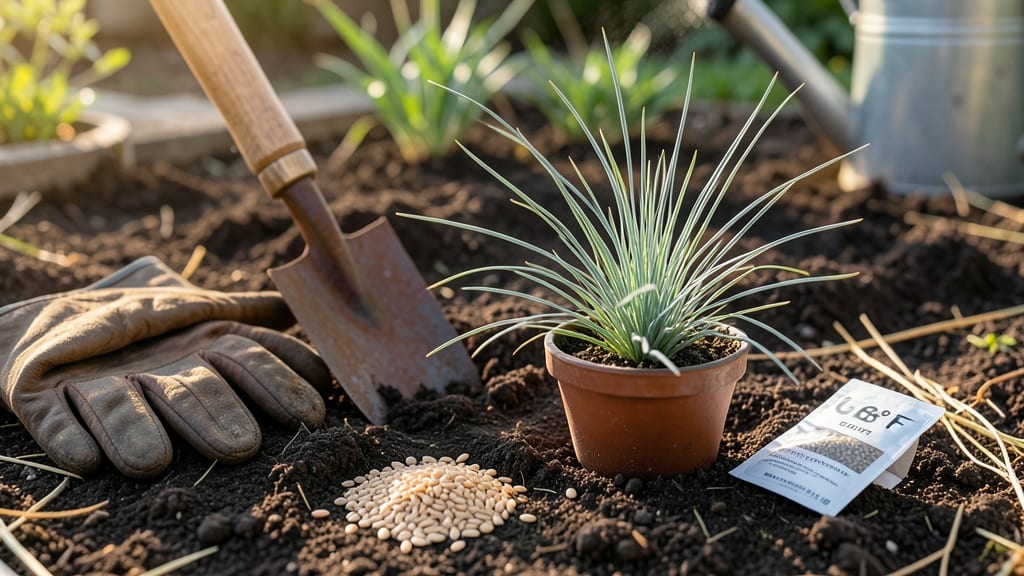
Planting buffalo grass seed in Kansas between late summer and early fall gives it the best shot at deep roots before winter 🌱 — timing that makes all the difference in drought-prone zones.
Picture this: you’ve spent the summer battling heat waves and patchy lawns, only to realize your buffalo grass never took hold because you planted too early. Kansas’ climate demands patience—waiting for soil temps to drop below 85°F ensures strong germination, not weak, scraggly growth.
This fast-growing grass thrives when seeded after the worst summer heat, letting it establish roots before the first frost. Whether you’re in USDA Zone 5b or 7a, the key is planting in August or September—skipping spring entirely to avoid early-season stress.
Below, I’ll walk you through the exact months to plant, how to prep your soil for Kansas’ dry conditions, and why late summer is the only window that works for a lush, low-maintenance lawn.
Best months to plant buffalo grass seed in Kansas for optimal growth
Kansas’ USDA Zones 6-8 create a unique challenge for buffalo grass—too early, and the summer heat scorches seedlings; too late, and fall frosts stunt root growth. The sweet spot? Planting when soil temperatures drop below 85°F, which in Kansas typically means late August through early September.
This window gives seedlings 6-8 weeks of warm days to establish roots before winter dormancy.
I’ve planted buffalo grass in both Wichita (Zone 7a) and Topeka (Zone 6b), and the difference between a thin, patchy lawn and a dense, drought-resistant sod comes down to timing. Spring planting is a common mistake—seeds germinate too quickly in warm soil, leading to shallow roots that can’t handle Kansas’ drought cycles or freeze-thaw cycles.
Here’s the golden rule for Kansas gardeners: Wait until after Labor Day to plant buffalo grass seed. By this point, daytime highs are cooling, and the risk of heat stress drops significantly.
This timing aligns with Kansas’ average first frost dates—mid-October in Zone 7a and late October in Zone 6b—giving your grass enough time to develop a 4-inch root system before winter.
| Planting Window | Soil Temp Threshold | Kansas USDA Zones | Frost Risk | Establishment Time |
|---|---|---|---|---|
| Late August - Early September | Below 85°F | 6-8 | Low (6-8 weeks before frost) | 6-8 weeks |
| Early Spring (March-April) | Above 50°F | 6-8 | High (late frosts) | 4-6 weeks (shallow roots) |
| Mid-September | Below 75°F | 6-8 | Moderate (4-6 weeks before frost) | 5-7 weeks |
If you’re in western Kansas (e.g., Garden City, Zone 6b), push planting to early September—the dry climate and higher elevation mean cooler soils linger longer. In contrast, eastern Kansas (e.g., Kansas City, Zone 6a) can handle late August plantings with slightly warmer soils.
Always check a 7-day forecast for consistent temps above 60°F at night to avoid chilling stress.
One critical mistake I see often is planting buffalo grass in June or early July—the 100°F+ days in Kansas can bake seeds before they germinate.
Even if they sprout, the resulting grass struggles to recover from drought later in the season. Late summer is the only window where daytime heat and nighttime cooling create ideal conditions for deep root growth.
For best results, aim to have your buffalo grass fully established before October 1st. This gives roots time to harden off before winter, reducing the risk of snow mold or freeze damage.
In my Zone 7a garden, I’ve seen buffalo grass planted in mid-September survive winters with minimal browning, while spring-planted patches often die back completely by July due to heat stress.
Pro tip: Use a soil thermometer to confirm temps are consistently below 85°F before planting. I keep mine buried 2 inches deep—the depth where buffalo grass seeds germinate. If temps spike above 90°F for more than 3 days, delay planting until conditions improve.
Kansas’ heat domes can push soil temps into the 100°F range, making germination nearly impossible.
Finally, don’t overlook seed variety. Some buffalo grass blends, like ‘Bison’ or ‘Prairie’, are bred for faster establishment in short-season climates. These can tolerate a 1-2 week later planting window compared to standard varieties.
Always check the seed packet for Kansas-specific recommendations—some brands even list optimal planting dates for your region.
With the right timing, your buffalo grass will outperform traditional lawns in Kansas—requiring 30% less water and no fertilizer once established. The key? Patience and precision in those late summer weeks when the weather
Kansas-specific factors that affect buffalo grass planting success
Kansas’ western and eastern regions create wildly different growing conditions for buffalo grass, making soil pH and moisture retention the real game-changers 🌱. In Wichita (western KS), alkaline soils with pH 7.5+ are common, while Topeka (eastern KS) often sees slightly acidic soils around 6.5.
These differences directly impact seed germination and drought resilience.
The drought cycles in Kansas demand careful timing—planting too early in spring means battling 100°F+ heat, while late fall risks frost before roots establish. Your location determines the sweet spot: western Kansas thrives with late August planting, while eastern areas can extend to early September safely.
Here’s how to adjust your approach based on Kansas’ microclimates:
| Factor | Western Kansas (Wichita) | Eastern Kansas (Topeka) |
|---|---|---|
| Soil pH | 7.5-8.5 (alkaline) | 6.5-7.2 (slightly acidic) |
| Ideal Planting Window | Late August (Aug 20-31) | Early September (Sept 1-15) |
| Moisture Retention | Low (use mulch) | Moderate (topsoil helps) |
| Drought Risk | High (water deeply) | Moderate (monitor soil) |
| Soil Prep Tip | Add gypsum to improve drainage | Test pH, amend if below 6.5 |
For western Kansas, focus on gypsum amendments to break up compacted alkaline soil. The goal is to create a seedbed where moisture stays near the surface long enough for germination—critical when rainfall averages just 25 inches annually.
In contrast, eastern Kansas benefits from a light compost top-dressing to boost organic matter and water retention.
Timing isn’t just about months—it’s about soil temperature. Use a soil thermometer to confirm temps are below 85°F before planting. In Wichita, this usually means waiting until mid-August, while Topeka can start slightly earlier due to cooler nights.
Pro tip: Late afternoon planting gives seeds a head start on evening moisture.
Adjust your irrigation schedule based on location too. Western areas need deep watering every 5-7 days post-planting, while eastern regions can stretch to 10 days between waterings once established. The key is consistency—buffalo grass won’t tolerate drought stress during its first growing season.
Remember, Kansas’ microclimates create winners and losers when planting buffalo grass. By matching your approach to your specific region, you’ll skip the trial-and-error and end up with a thick, drought-resistant lawn that handles Kansas’ extremes like a pro 🌿.