
How To
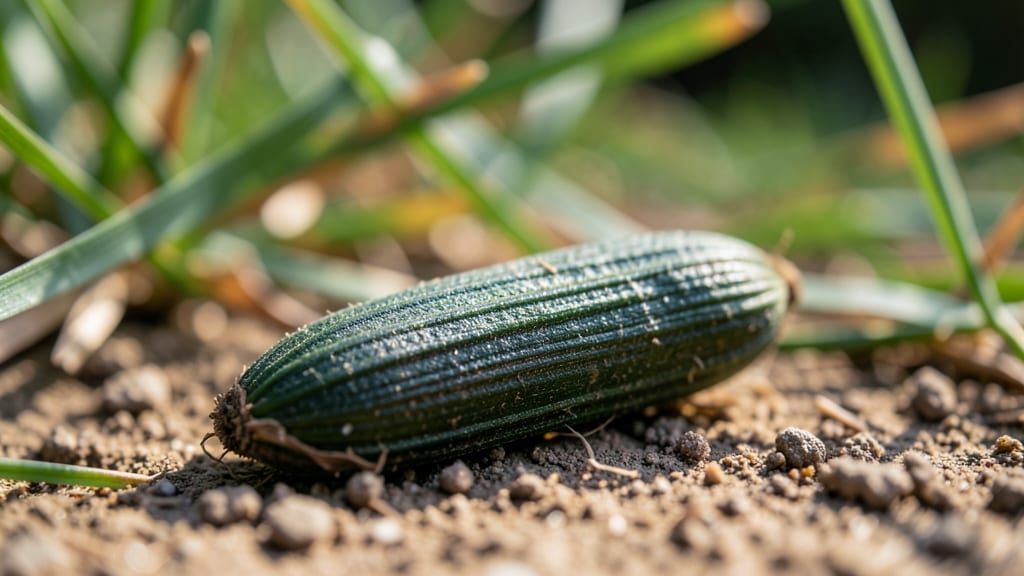
Plant centipede grass seed in Georgia when soil temperatures hit 65°F or higher—typically late April to early June—because cooler soil slows germination and invites fungal diseases.
Georgia’s hot summers and mild winters make centipede grass a top choice for lawns, but timing your seed planting wrong can mean wasted effort and patchy growth.
If you plant too early, a late frost will kill tender seedlings, while waiting too long risks the heat drying out seeds before they sprout.
For USDA zones 7b-8b, the ideal window is after your last frost date—usually around March 15—but soil warmth is the real game-changer. A simple soil thermometer tells you when it’s safe to sow, and in most of Georgia, that’s April or early May.
Below, I’ll walk you through how to check soil temperature, adjust for your specific region (North vs. South Georgia), and use starter fertilizer to give your centipede grass a strong start—no guesswork, just science-backed timing.
Best planting months for centipede grass seed in Georgia (soil temp guide)
Centipede grass (Eremochloa ophiuroides) thrives in Georgia’s climate, but planting it at the wrong time can lead to poor germination and weak lawn establishment. The key to success lies in understanding your local soil temperature and frost-free window.
For most of Georgia, this means waiting until the soil warms to 75–85°F—typically after the last frost date in spring. Northern Georgia’s cooler microclimates may require a slightly later start than southern regions.
Georgia spans USDA Hardiness Zones 7b–9a, meaning frost dates vary dramatically. In Zone 7b (North Georgia), the last frost often occurs around mid-April, while Zone 8a–9a (South Georgia) may see frost-free conditions as early as late February to early March.
However, soil temperature is more critical than air temperature—seed won’t sprout until the ground consistently stays warm.
Urban areas like Atlanta or Athens may experience heat islands, where pavement and buildings raise soil temperatures faster than rural areas. Conversely, shaded or wooded lots might stay cooler.
Always test your soil’s warmth before planting to avoid delays. A simple soil thermometer (inserted 2–3 inches deep) is your best tool for accuracy.
Here’s a quick reference for ideal planting windows based on Georgia’s regions and soil temperature needs:
| Region | USDA Zone | Last Frost Date | Ideal Planting Months | Soil Temp Requirement | Microclimate Adjustments |
|---|---|---|---|---|---|
| North Georgia (Atlanta, Dahlonega) | 7b | Mid-April | May–June | 75–85°F | Wait 2–3 weeks after last frost; test soil warmth in shaded areas. |
| Central Georgia (Macon, Columbus) | 8a | Late March | April–June | 75–85°F | Urban areas may plant as early as April; rural areas wait until May. |
| South Georgia (Savannah, Valdosta) | 8b–9a | Early March | March–May | 70–80°F | Can plant earlier but avoid late summer heat; mulch to retain moisture. |
If you’re planting in late summer (August–September), centipede grass can still establish, but germination slows as soil temperatures drop below 75°F. This is riskier in Zone 7b due to earlier frosts.
For a safer bet, stick to spring planting when days are long and warm, giving seeds 6–8 weeks of ideal growing conditions before summer heat sets in.
Pro tip: Test your soil’s pH before planting—centipede grass prefers 5.0–6.0. If your soil is too alkaline, amend it with sulfur or peat moss 4–6 weeks before seeding. This gives your lawn the best chance to establish strong roots before Georgia’s intense summer heat arrives.
Urban gardeners should also account for sidewalk or pavement microclimates. Areas near concrete may warm up faster, allowing earlier planting. Conversely, shaded spots under trees might stay cooler, delaying germination. Use a soil thermometer in multiple locations to ensure consistency across your lawn.
Once you’ve planted, maintain consistent moisture—centipede grass seeds need 1–1.5 inches of water per week for the first 4–6 weeks. Avoid overhead watering in the evening to prevent fungal diseases like brown patch, which thrives in Georgia’s humid summers. Water deeply in the morning instead.
Remember, centipede grass is drought-tolerant once established, but young seedlings are delicate. By planting at the right time—when soil temperatures are ideal and frost risk is zero—you’ll set your lawn up for thick, lush growth that handles Georgia’s heat with ease. 🌱
How to calculate your frost-free deadline for centipede grass success
Determining your frost-free deadline is the first step to planting centipede grass seed successfully in Georgia. Unlike cool-season grasses, centipede thrives in warm soil and can’t tolerate frost—so knowing your exact last frost date saves you from wasted seeds and slow growth.
Start by checking your USDA zone (Georgia ranges from 7b to 8b), then verify local weather patterns for the past 5 years.
For most of Georgia, the average last frost date falls between March 15 and April 15, but this shifts earlier in the south (Zone 8b) and later in the north (Zone 7b).
Use the National Weather Service or your local Cooperative Extension Service for precise data tailored to your county. This ensures you plant after the risk of frost has passed but before summer heat sets in.
Here’s your 5-step checklist to calculate your frost-free deadline and avoid common planting mistakes:
Once you’ve calculated your frost-free deadline, the next step is to monitor soil temperature for at least 3 days in a row above 65°F. Centipede grass seeds need consistent warmth to germinate, and cooler nights can stall growth.
If your soil hits 75°F+, you’re in the sweet spot for planting—just be sure to sow seeds within 2 weeks of this window to avoid summer heat stress.
Pro tip: If you’re in Zone 7b, aim for late April to early May—this balances frost risk with soil warmth. For Zone 8b, you can plant as early as mid-March, but always double-check soil temps.
Using a starter fertilizer with low nitrogen (like 10-0-10) at planting time will give your centipede grass a head start against weeds and drought.
Remember, centipede grass is dormant in winter, so planting too early won’t speed up growth—it’ll just expose seedlings to frost damage. By following this frost-free deadline method, you’ll maximize your lawn’s germination rate and root depth, setting the stage for a lush, low-maintenance yard by summer.