
Plants
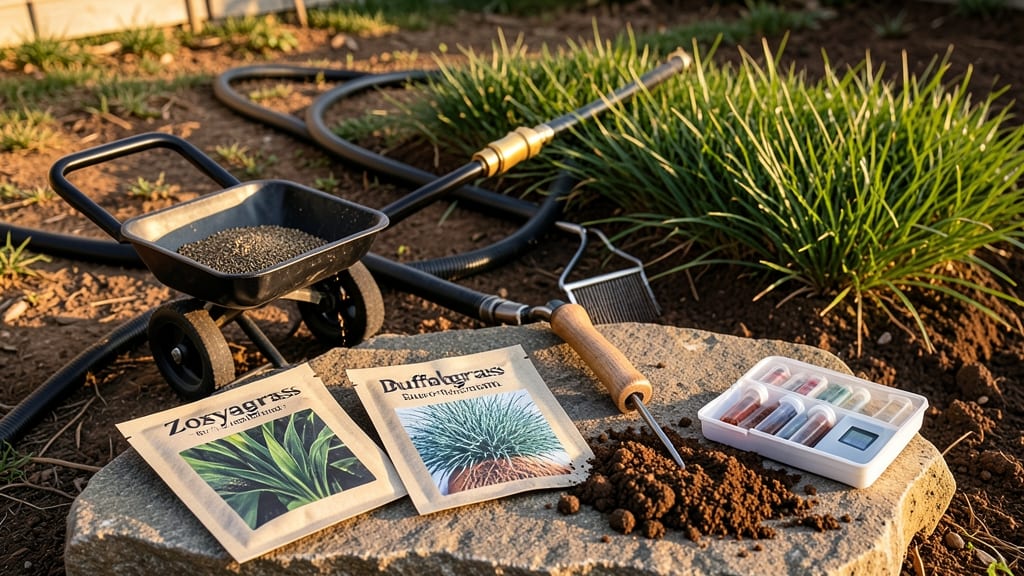
Planting grass seed in Austin between late August and early October or March and early April gives you the best shot at a thick, frost-resistant lawn that survives the city’s wild swings.
But here’s the catch: Austin’s scorching summers and unpredictable winters make timing critical for a lush lawn—but planting grass seed at the wrong time can leave you with patchy results or wasted money.
Cool-season grasses like Tall Fescue thrive when soil temperatures dip below 80°F, while warm-season varieties like Bermuda or St. Augustine need the heat to germinate. The key is planting when the weather plays to your grass’s strengths, not against them.
Below, I’ll break down the ideal windows, soil prep secrets, and how to pick the right seed for your Austin yard—so you can skip the guesswork and get a lawn that stays green year-round.
Best months to plant grass seed in Austin’s cool season climate
Austin’s USDA Zone 8b climate creates a unique challenge for grass seed germination—too early and you risk summer heat stress, too late and winter frosts can stunt growth. The sweet spot? Two ideal planting windows that align with soil temperatures and rainfall patterns for maximum success.
Cool-season grasses like Tall Fescue and Ryegrass thrive when soil temps hover between 60-75°F. In Austin, this happens naturally during September-October and March-April, offering the perfect balance of moisture and moderate temperatures for seedling establishment.
Here’s why these months work best—and what to avoid:
Fall planting in September-October gives seeds time to establish deep roots before winter. The cooler temps and increased rainfall create ideal conditions for cool-season grasses like Tall Fescue, which can handle Austin’s mild winters better than warm-season varieties.
Spring planting in March-April aligns with Austin’s spring showers, providing consistent moisture without the intense summer heat. This window works best for overseeding existing lawns or establishing new cool-season turf before the heat sets in.
Avoid planting in late summer (July-August)—soil temps often exceed 85°F, causing seeds to dry out before germination. Similarly, winter planting (December-February) risks frost damage to tender seedlings, even in Austin’s mild winters.
For warm-season grasses like Bermuda or St. Augustine, timing shifts slightly to late spring (May) when soil temps consistently stay above 75°F. However, these require specialized care to survive Austin’s drought-prone summers.
Pro tip: Test your soil temperature before planting—use a soil thermometer to confirm it’s in the 60-75°F range. This small step can mean the difference between a thick, green lawn and a patchy disaster.
Remember, Austin’s clay-heavy soil drains poorly when saturated. Always amend with compost before planting to improve water retention and aeration—critical for seedling success in both fall and spring.
🌱
How Austin’s weather affects grass seed germination rates
Austin’s 90°F+ summers and unpredictable rain patterns create a double-edged sword for grass seed germination. Warm-season grasses like Bermuda and St. Augustine love the heat but struggle with drought, while cool-season varieties like Tall Fescue thrive in Austin’s milder fall and spring but wilt under summer’s intensity.
Germination rates drop by 40-60% when soil temps exceed 85°F, while humidity below 40% (common in late summer) slows seedling growth. The key is planting when Austin’s weather aligns with your grass type’s needs—not against them.
Comparison Table: Austin Weather Impact on Grass Germination
Late summer (August-September) is riskier for cool-season grasses because Austin’s 90°F+ soil temps can bake seeds before germination. Meanwhile, warm-season grasses planted in May-June face drought stress as summer intensifies.
Spring planting (March-April) offers the sweet spot for cool-season grasses, with 60-75°F soil temps and consistent spring rains. However, overwatering during Austin’s unpredictable April showers can suffocate seedlings—so monitor soil moisture closely.
For warm-season grasses, early fall (September) is ideal—soil stays warm enough for germination while humidity rises after summer’s dry spell. Just avoid planting after mid-October, when cooler nights slow growth.
Pro tip: Use a soil thermometer to confirm temps before planting—below 60°F for cool-season or above 85°F for warm-season seeds spells trouble. Austin’s clay-heavy soil also retains heat, so water deeply in the evening to cool it down before planting.