
Plants
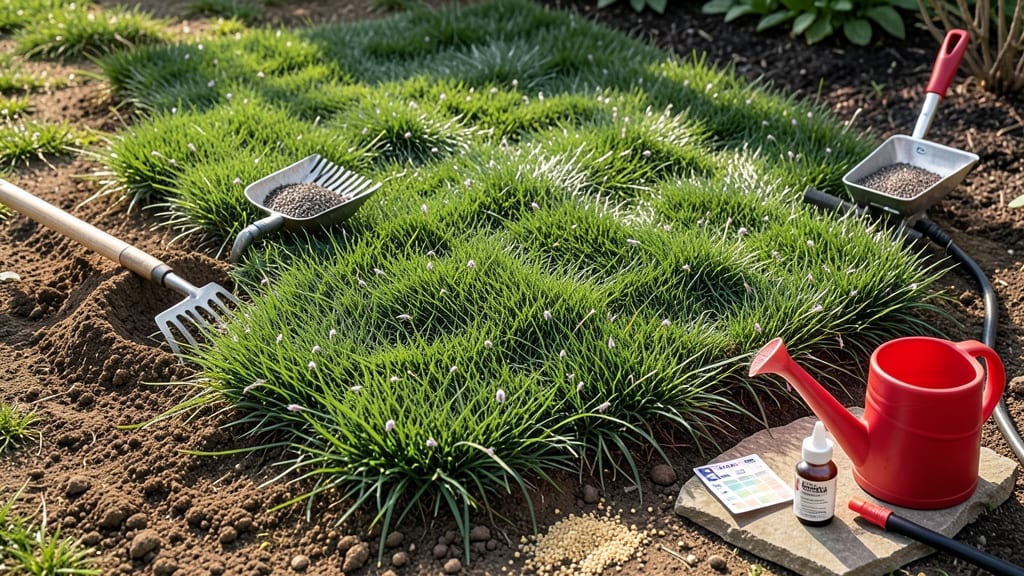
Planting grass seed in Denver at the right time means the difference between a thick, frost-resistant lawn and years of patchy, struggling turf.
Denver’s unpredictable weather—hot summers, freezing winters, and sudden spring storms—can make planting grass seed a high-stakes decision. Get it wrong, and your lawn could struggle for years. But timing it right? That’s the secret to a lush, frost-resistant lawn that stays green even when temperatures drop.
In Denver’s 5b climate, the best windows are early September to mid-October or late March to early May, when soil temperatures sit between 50-65°F. This isn’t just guesswork—it’s about avoiding late frosts, drought stress, and the thin mountain air that slows germination.
Below, I’ll walk you through the exact steps to prep your soil, pick the right grass seed for Denver’s conditions, and keep your new lawn thriving through the city’s dramatic seasonal shifts.
Best months to plant grass seed in Denver’s unique climate
Denver’s high-elevation climate creates two distinct planting windows for grass seed: early fall and late spring. The front range and foothills have slightly different microclimates, but both require precise timing to avoid late frosts or summer drought stress.
The National Weather Service reports Denver’s average last frost date is April 15, while the first frost typically arrives October 15.
For most cool-season grasses (like Kentucky bluegrass and fescue), the ideal window is early September to mid-October. This gives seedlings time to establish roots before winter dormancy.
In contrast, warm-season grasses (like Bermuda grass) prefer late March to early May, when soil temperatures rise above 60°F.
Denver’s 5b climate zone means soil temperatures fluctuate rapidly. Use a soil thermometer to confirm conditions—ideal germination occurs between 50-65°F. The front range tends to warm faster in spring than the cooler foothills, so adjust planting dates accordingly.
Rainfall patterns also shift: fall brings 1.5 inches/month, while spring averages 2 inches/month.
Here’s a quick reference for Denver’s planting windows, including frost risks and rainfall data:
| Season | Best Months | Soil Temp (°F) | Rainfall (in/month) | Frost Risk |
|---|---|---|---|---|
| Early Fall | September–Mid-October | 50–65°F | 1.5–2.0 | Low (post-Labor Day) |
| Late Spring | Late March–Early May | 55–70°F | 1.8–2.2 | Moderate (late frosts) |
| Front Range | 1–2 weeks earlier | Warmer microclimate | Slightly drier | Lower frost risk |
| Foothills | 1–2 weeks later | Cooler soils | Higher moisture | Higher frost risk |
Fall planting is my top recommendation for Denver lawns. The cooler temperatures reduce weed competition, while consistent rainfall keeps seedlings hydrated. Aim to finish seeding by October 15 to avoid winter dormancy before roots establish.
For spring planting, wait until April 15 (after the average last frost) to minimize frost damage.
Denver’s alkaline soils (pH 7.5–8.5) can slow germination, so test your soil before planting. Amend with sulfur or peat moss if pH exceeds 7.8. Also, avoid planting in summer (June–August)—high temperatures and drought stress make germination nearly impossible.
If you miss the ideal windows, consider sod instead for faster coverage.
Pro tip: Use a starter fertilizer with high phosphorus (e.g., 10-20-10) to boost root growth. Water lightly twice daily for the first week to prevent seed desiccation. Once seedlings reach 2 inches, reduce watering to 1 inch/week to encourage deep roots.
Denver’s thin mountain air can dry out seedlings quickly, so monitor soil moisture daily. Mulch with straw (not wood chips) to retain humidity and suppress weeds. With the right timing and care, your lawn will outperform neighbors who planted at the wrong time.
🌱
How Denver’s altitude and weather affect grass seed germination
Denver’s 5,280-foot elevation creates unique challenges for grass seed germination that most planting guides ignore. The thin mountain air reduces oxygen availability, slowing seedling growth by up to 30% compared to sea-level cities.
Meanwhile, rapid temperature swings—from 80°F days to 30°F nights—can shock tender seedlings if planted at the wrong time.
Traditional advice to plant in late summer often fails in Denver because the dry winds and intense sunlight at high elevations dehydrate seeds before they sprout. Even with proper watering, seedlings struggle to establish roots in alkaline soils (pH 7.5–8.5) without proper amendments.
These factors force gardeners to adjust both timing and care routines.
⚠️ Denver-Specific Warning: Planting grass seed in summer (June–August) is a common mistake—germination rates drop 50% due to heat stress. Even fall planting requires daily moisture checks because Denver’s low humidity (often <15%) dries out soil faster than coastal cities.
Use mulch immediately after seeding to lock in moisture, and water twice daily for the first week. If you see yellowing seedlings, it’s often a sign of root rot from overwatering—a common issue in Denver’s clay-heavy soils.
Denver’s cool-season grasses (like tall fescue and fine fescue) thrive in the city’s climate because they tolerate cold snaps and drought once established. However, their germination slows in thin air, requiring 10–14 days longer to sprout compared to sea-level regions.
Warm-season grasses like Bermuda or Zoysia are riskier in Denver—they struggle with late spring frosts and early fall chills, often resulting in patchy lawns.
Adjust your watering schedule to match Denver’s diurnal temperature swings. Water deeply in the morning (before 10 AM) to reduce evaporation, then apply a light misting in the evening if daytime temps exceed 75°F.
Avoid evening watering in cooler months—wet foliage overnight invites fungal diseases like snow mold, which thrives in Denver’s damp winters.
For foothills areas, plant 1–2 weeks later than front-range neighborhoods due to cooler microclimates. Test soil moisture with your finger—if the top 1 inch feels dry by mid-morning, water immediately.
Denver’s alkaline soils also benefit from a sulfur amendment (apply 1 lb per 100 sq ft) to lower pH before planting.
Pro tip: Choose drought-tolerant varieties like Colorado Bluegrass or Fine Fescue for Denver’s conditions. These grasses establish 20% faster in thin air and recover better from winter stress. Pair them with a starter fertilizer (high in phosphorus) to boost root growth in Denver’s low-oxygen soils.
🌿