
Plants
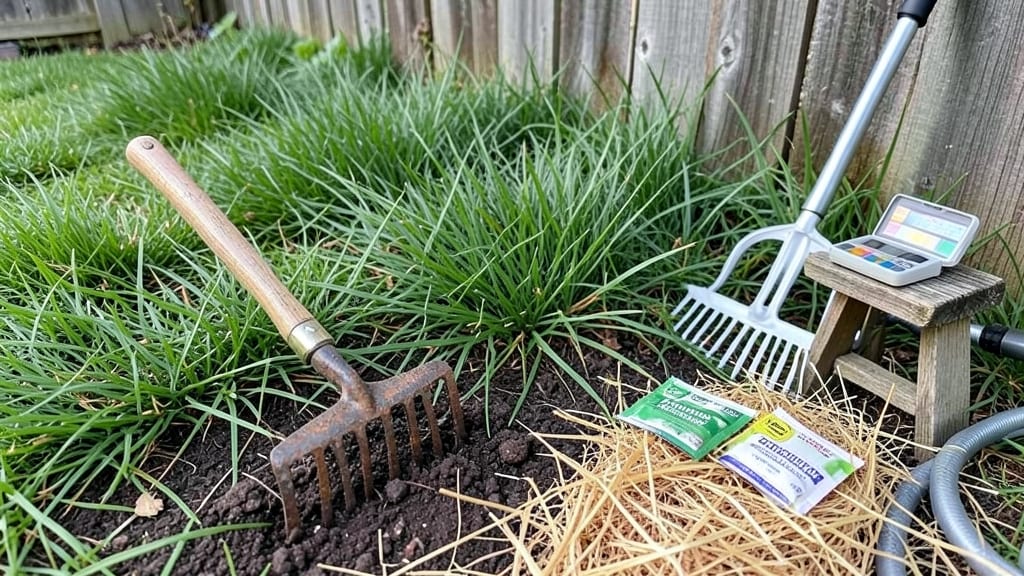
Planting grass seed in East Tennessee at the right time makes all the difference between a thick, green lawn and a weed-infested disappointment.
If you’ve ever watched your newly seeded lawn struggle under East Tennessee’s unpredictable spring rains or late-summer heat, you know timing is everything. The key? Planting when soil temperatures sit between 55°F and 75°F—that’s early spring (March-April) or early fall (August-September) for zones 6b-7a.
Why? Cool-season grasses like tall fescue (the local favorite) need consistent moisture and moderate temps to germinate. Plant too early, and frost can kill seedlings; too late, and summer’s heat dries them out before roots take hold.
I’ll show you exactly how to sync your schedule with East Tennessee’s climate for perfect germination every time.
From soil prep to post-planting care, here’s how to turn your lawn into the envy of the neighborhood—without the guesswork.
Best planting months for grass seed in East Tennessee’s climate zones
East Tennessee’s USDA zones 6b-7a create a unique growing window for grass seed—one where timing can make or break your lawn’s success. Unlike cooler northern regions, our mild winters and hot summers demand precise planting schedules to avoid heat stress or frost damage.
The ideal moments? Early spring (March-April) and late summer (August-September), when soil temperatures and rainfall align perfectly for germination.
Why these windows? Spring planting lets seeds germinate as daylight increases, while fall planting gives young roots time to establish before winter dormancy. Both periods avoid the extreme heat of July and freezing temperatures of December-January, which can stunt growth or kill seedlings.
Let’s break down the science behind these timelines—including soil temperature thresholds and rainfall patterns that separate success from struggle.
Soil temperature is the #1 factor in East Tennessee. Grass seeds need consistent soil temps above 55°F to sprout reliably. In USDA Zone 6b, this typically means waiting until mid-March for spring planting, while Zone 7a gardeners can start as early as late February. For fall, aim to plant 4-6 weeks before your first frost—usually by mid-September—to give seeds time to root before winter.
Rainfall patterns also shift with seasons. Spring brings moderate but unpredictable showers, while late summer offers consistent humidity and afternoon thunderstorms that keep soil moist without over-saturating it.
Both conditions are ideal for seed-to-sprout moisture balance, but summer planting requires daily watering checks to prevent drought stress during East Tennessee’s 90°F+ heat waves.
Now, let’s compare the two best planting windows side by side—so you can pick the strategy that fits your schedule and local microclimate.
Spring planting in March-April gives you a head start, but watch for late frosts—East Tennessee’s Zone 6b areas can still see 28°F dips into early April. If you’re in a valley or higher elevation, delay until after April 15 to avoid frost damage.
The trade-off? Spring lawns may struggle with summer heat stress if not established by June.
Late summer planting in August-September is my top recommendation for Zone 7a gardeners. The cooler soil temps reduce weed competition, and longer daylight hours give seedlings extra energy. Plus, you’ll avoid the dormant winter months entirely.
Just be prepared for daily watering—August in East Tennessee can bring 95°F+ afternoons, and newly planted seeds need consistent moisture to avoid drying out.
Pro tip: Use a soil thermometer to confirm temps before planting. If your soil is below 55°F, wait—cold soil slows germination by 30-50%. I’ve seen tall fescue seeds take 3 weeks to sprout in 50°F soil versus just 7 days at 60°F.
Patience here saves you from thin, patchy lawns later.
Don’t overlook microclimates in East Tennessee. A south-facing slope in Johnson City (Zone 7a) might warm up 2-3 weeks earlier than a north-facing yard in Knoxville (Zone 6b). Observe your yard’s unique patterns: Does shade linger longer in certain spots? Are there frost pockets
How to prepare your lawn for grass seed success in East Tennessee
Preparing your East Tennessee lawn for grass seed success starts with understanding your soil’s unique needs. The region’s clay-heavy soils and humid summers demand special attention to pH, weed control, and moisture retention.
I’ve learned the hard way—skipping soil prep means battling weeds and poor germination for years. Let’s fix that with a step-by-step plan tailored to zones 6b-7a.
Your first priority is soil pH testing. East Tennessee’s native soils often sit around 5.5-6.5, but cool-season grasses like tall fescue thrive at 6.0-7.0. Grab a soil test kit from your local garden center—it’s the only way to know for sure.
If your pH is too low, lime sweetens the soil; if too high, sulfur lowers it. Apply amendments 8-12 weeks before planting to let them work.
Next, kill weeds without harming your future lawn. I recommend a glyphosate-free pre-emergent herbicide like corn gluten meal for organic gardens. For chemical control, Roundup Ready-to-Use works well—just apply it 2-3 weeks before seeding.
Pro tip: Mow existing grass short (1-2 inches) to expose weeds to sunlight and herbicide.
🌱 Step-by-Step Lawn Prep for Grass Seed
- Test Soil pH: Use a kit to check your lawn’s pH. Aim for 6.0-7.0—adjust with lime or sulfur if needed.
- Remove Debris: Rake away leaves, rocks, and thatch. A dethatching rake helps loosen compacted soil.
- Kill Weeds: Apply pre-emergent herbicide 2-3 weeks before seeding. For organic options, use corn gluten meal.
- Loosen Soil: Aerate with a core aerator to improve water and root penetration. Focus on compacted areas.
- Level the Ground: Fill low spots with topsoil and rake smooth. Avoid over-tilling—just 1-2 inches deep.
- Choose Your Grass: For East Tennessee, tall fescue (drought-tolerant) or Kentucky bluegrass (shade-friendly) are top picks.
- Pre-Water the Soil: Water deeply 24 hours before planting to ensure seeds have immediate moisture.
Now, let’s talk grass seed selection. East Tennessee’s humidity and heat favor tall fescue blends like Turf Type Tall Fescue, which handles foot traffic and drought better than Kentucky bluegrass.
For shadier spots, fine fescue mixes work wonders. Avoid Bermuda grass unless you’re okay with it going dormant in winter—it’s not a cool-season performer.
Timing your pre-planting tasks is critical. If you’re seeding in early spring (March-April), finish soil prep by late February. For early fall (August-September), wrap up by mid-July.
This gives amendments and herbicides time to work before seeds hit the ground. Pro tip: Mark your calendar for 4-6 weeks before planting—that’s when you should start prepping.
Finally, don’t skip the final watering. After seeding, keep the soil consistently moist (not soggy) for the first 2-3 weeks. Use a light misting in the morning to avoid fungal issues.
Once seedlings hit 3 inches tall, you can gradually reduce watering to 1 inch per week. Patience here pays off—thick roots mean fewer weeds later.
With these steps, your East Tennessee lawn will be thick, green, and weed-resistant in no time. Trust me, the effort upfront saves hours of frustration down the road. Happy planting! 🌱