
Planting
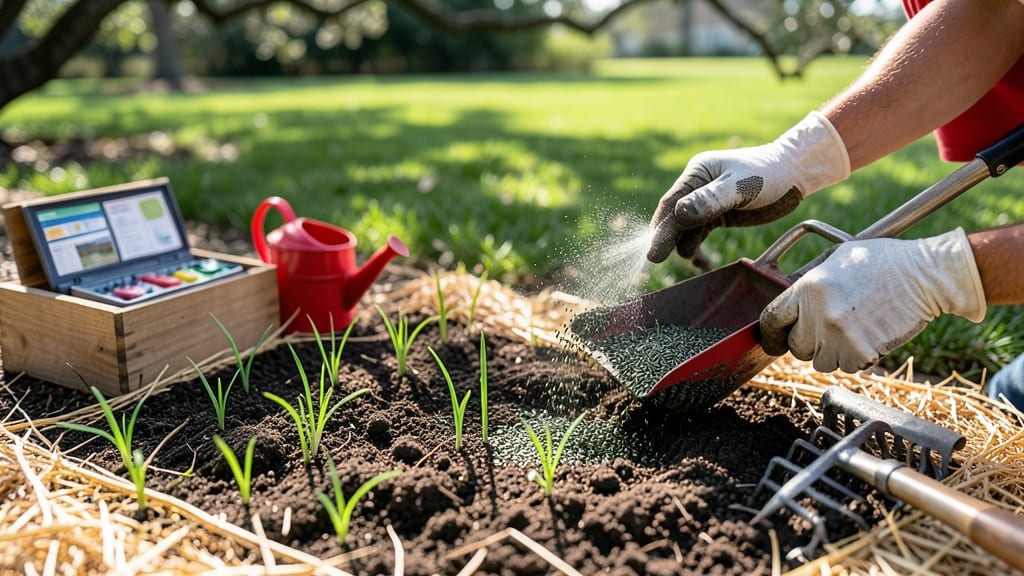
To plant grass seed in Florida at the right time means catching those narrow windows when the weather cooperates — late summer to early fall or spring, before the heat turns your seed into a sad, crispy memory.
Picture this: you’ve spent hours spreading 🌱 grass seed across your yard, only for the sun to bake it into dust within days. That’s the gamble Florida gardeners face when they plant outside the ideal months.
But get the timing right, and you’ll see fast germination and a lawn that stays green even when the rest of the state wilts.
Florida’s climate is tricky—too early in spring, frost can sneak up in the Panhandle, while summer heat dries out seed before it sprouts. The key is understanding your region’s microclimates, from North Florida’s cooler winters to South Florida’s year-round warmth.
With the right schedule, you can skip the guesswork and grow grass that thrives.
Below, I break down the best months for planting by zone, the grass types that handle Florida’s heat, and how to prep your soil for fast, reliable results. No more wasted seed—just a lush lawn that keeps up with the sunshine state.
Best months to plant grass seed in Florida for fast germination
Florida’s climate is a double-edged sword for grass seed—too hot or too cold, and your seeds struggle to germinate. The perfect window for planting is when temperatures hover between 65°F and 85°F, creating ideal conditions for seed activation.
Warm-season grasses like St. Augustine and Bermuda thrive in Florida’s heat, while cool-season types like Ryegrass need milder temps to sprout successfully.
Timing matters because Florida’s humidity and rainfall can either accelerate or stall germination. Planting during the shoulder seasons—spring and fall—gives seeds the best chance to establish roots before extreme weather sets in.
In North Florida, cooler winters mean you can plant as early as March, while South Florida gardeners should aim for August through October to avoid summer’s scorching heat.
| Region | Best Planting Months | Ideal Soil Temp (°F) | Germination Rate | Rainfall Needs |
|---|---|---|---|---|
| North Florida (Zones 8a-9a) | March-April, August-September | 65-75°F | 7-14 days (warm-season) | 1-1.5 inches/week |
| Central Florida (Zones 9a-9b) | April-May, August-October | 70-80°F | 5-10 days (warm-season) | 1-2 inches/week |
| South Florida (Zones 10a-11) | June-July, September-October | 75-85°F | 3-7 days (warm-season) | 1.5-2.5 inches/week |
| Cool-Season Grasses (Ryegrass) | November-December (North FL) | 55-65°F | 10-21 days | 0.75-1 inch/week |
Spring planting in March through May gives seeds time to establish before Florida’s summer heat peaks. The soil temperature should be at least 65°F—use a soil thermometer to check.
In North Florida, where winters can dip below freezing, cool-season grasses like Tall Fescue should be planted in late fall (November) to take advantage of cooler temps and higher rainfall.
Fall is the golden window for warm-season grasses because temperatures stay mild, and hurricane season winds down by October. The August-September period is especially critical for South Florida, where summer heat can kill seeds before they sprout.
Aim to plant when daily highs are below 85°F to prevent seed desiccation.
Rainfall patterns play a huge role—too much rain can wash seeds away, while drought conditions stunt germination. In Central Florida, September often brings heavy afternoon showers, which is perfect for keeping seeds moist.
If your area is dry, use a light sprinkler to maintain soil moisture until seeds sprout in 7-14 days.
For warm-season grasses, the fastest germination happens in South Florida’s September, where temperatures and humidity align perfectly. In contrast, cool-season grasses like Ryegrass germinate best in North Florida’s December, when temps drop to 60-65°F.
Always test your soil’s pH (6.0-7.0) before planting—Florida’s sandy soils often need lime or sulfur adjustments for optimal growth.
Regional microclimates matter—coastal areas stay warmer longer, while inland zones cool faster. If you’re near the Gulf Coast, plant 2 weeks earlier than inland areas. Avoid planting during hurricane season (June-November), as winds can bury seeds or erode newly planted areas.
Pro tip: Use a starter fertilizer with high phosphorus (P) to boost root development. Warm-season grasses need 0.5 lb of P per 100 sqft, while cool-season types benefit from 1 lb of P per 100 sqft.
Water deeply twice daily for the first week to keep seeds from drying out.
By following these regional guidelines, you’ll maximize your grass seed’s germination success rate and avoid the heartbreak of a brown, patchy lawn. Whether you’re in Panama City or Miami, timing is everything—plant smart, and your lawn will thank you year-round. 🌱
How Florida’s climate affects grass seed success: heat zones and rainfall tips
Florida’s climate isn’t one-size-fits-all—what works in North Florida might fail in South Florida due to temperature swings and rainfall patterns. The state’s USDA zones 8a-11 create microclimates where summer droughts or hurricane season can derail your grass seed plans.
Understanding these zones helps you adjust planting times to avoid common pitfalls like seed drying out or washing away.
For example, Central Florida sees 90°F+ temperatures by June, while North Florida can still experience light frosts in January. South Florida’s year-round warmth means grass grows almost anytime, but heavy rains from June to October can drown new seedlings.
The key is planting when soil temps stay between 65°F-75°F for warm-season grasses or 50°F-65°F for cool-season types.
🚨 CALLOUT-WARNING 🚨
⚠️ Hurricane Season Risk (June-November)
Planting grass seed during hurricane season is risky—flooding or high winds can wash away soil and seed. If you must plant in late summer, use erosion control blankets and choose fast-germinating varieties like Bahiagrass or Zoysia. Avoid planting in September-October when storms peak.
Before planting, test your soil’s pH and moisture retention. Florida’s sandy soils often need organic matter like compost to hold water. Aim for a pH of 6.0-7.0—too acidic or alkaline stunts growth.
If your area gets less than 1 inch of rain weekly, plan for drip irrigation to keep seed moist until germination (usually 7-21 days for warm-season grasses).
Adjust your watering schedule based on rainfall forecasts. Overwatering can suffocate seed, while underwatering causes crusting that blocks sprouts. In drought-prone zones (like Central Florida), mulch with straw to retain moisture. For shady areas, choose Centipede grass, which tolerates partial shade better than most types.
Timing isn’t just about months—it’s about weather patterns. Check the National Weather Service for 10-day forecasts before planting. If heavy rains are predicted, delay seeding until conditions stabilize.
In North Florida, wait until after the last frost (typically mid-March), while South Florida gardeners can plant almost year-round but should avoid peak summer heat.
Pro tip: Use a soil thermometer to monitor temps—ideal germination happens when soil stays 70°F-75°F. If temps rise above 85°F, seed may bake before sprouting. In cooler zones (like Panhandle), plant cool-season grasses like Ryegrass in fall for winter color.