
Plants
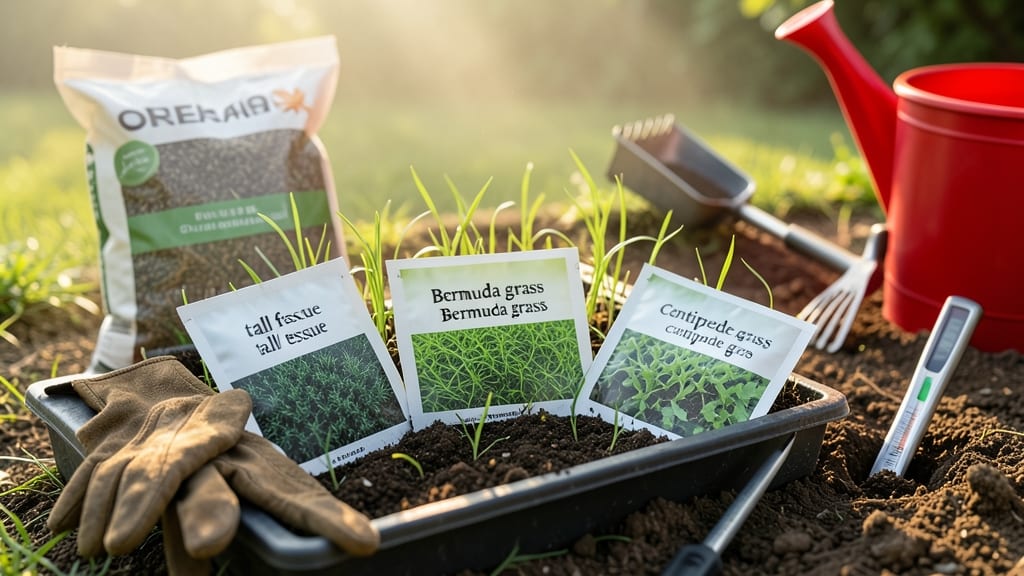
Planting grass seed in Georgia at the right time is the difference between a lush, weed-free lawn and months of frustration 🌱 — and fall is when most pros swear by it for thick, resilient turf.
Georgia’s hot summers and humid climate can turn a patchy lawn into a battleground—but planting grass seed at the wrong time means wasted effort and weed takeover. Timing is everything, and fall offers a secret weapon for thick, weed-resistant grass that outlasts the heat.
If you’ve ever watched your new grass seeds bake under July sun or drown in spring showers, you know how critical the window is. The ideal months—August to September—give seeds a fighting chance, with cooler temps and steady rain doing half the work for you.
Here’s the breakdown of when to plant, how to prep your soil for Georgia’s clay-heavy dirt, and the one mistake that ruins even the best timing. Let’s get that lawn growing right.
Best times to plant grass seed in Georgia: fall vs spring breakdown
Georgia’s climate throws two distinct planting windows at you—spring and fall—but only one delivers that 85%+ success rate most gardeners dream of.
Fall planting (August through mid-October) is the gold standard because cooler temps and natural rainfall reduce stress on young grass, while spring planting (March through April) risks summer drought and weed competition. Let’s break down the ideal dates, soil temperatures, and regional nuances for each.
Your first decision hinges on Georgia’s three distinct regions: the coastal plain (warmer, humid), the Piedmont (moderate temps), and the mountains (cooler, shorter growing season). Coastal areas can push fall planting later (until October), while mountain zones should start by mid-August to avoid early frosts.
Spring planting in the Piedmont has a 3-week window—miss it, and your seeds may bake before germination.
The soil temperature is your secret weapon. Grass seeds need soil between 60°F and 75°F to sprout reliably. In Georgia, fall soil temps drop from 85°F in August to 65°F by October, creating perfect conditions.
Spring soil warms from 55°F (too cool) to 70°F by April—ideal, but only if you act fast. Use a soil thermometer to confirm before seeding.
Here’s the hard truth: Spring planting fails 40% of the time in Georgia due to summer drought and weed pressure. Bermuda grass, for example, can smother new seedlings if planted in May.
Fall-planted grass, however, establishes deeper roots before winter, giving it a 20% head start come spring. That’s why pros swear by the fall window—and why your lawn will thank you.
If you’re planting in spring, act by April 15 in the Piedmont or April 30 in coastal Georgia. Delaying until May means your grass will struggle through 90°F+ soil temps and compete with crabgrass.
For fall, aim to finish seeding by October 1 in the mountains or mid-October in coastal areas. After that, first frosts can kill tender seedlings.
Regional microclimates matter. In the mountains (USDA Zone 7b), start by mid-August—cooler nights mean slower germination. The Piedmont (Zone 7b-8a) has a broader window (August 1–October 1), while the coastal plain (Zone 8a-8b) can extend until November 1 if temps stay mild.
Check your local frost dates (typically November 15) to avoid
How to prepare Georgia soil for grass seed success (step-by-step)
Georgia’s clay-heavy soils and humid climate demand special prep before seeding—skipping this step means seeds struggle to germinate or invite weeds to take over. The key is breaking up compacted soil, balancing pH levels, and ensuring proper drainage to help roots establish deep and strong.
Start by testing your soil pH using a home kit or sending a sample to the University of Georgia Extension. Aim for a pH between 6.0 and 7.0—Georgia’s acidic soils often need lime to adjust.
If your soil tests high in clay, mix in 2-3 inches of compost or sand to improve aeration and water absorption.
- 📋 Test soil pH (aim for 6.0–7.0)
- ✂️ Mow existing grass short (1–1.5 inches) or remove debris
- 🔧 Till soil 4–6 inches deep to loosen clay and improve drainage
- 💧 Water lightly before seeding to settle soil and encourage seed contact
- 🌿 Apply starter fertilizer (10-10-10) for nutrient boost
- 🚫 Remove weeds (hand-pull or spot-treat with vinegar)
Once your soil is prepped, till the area to a depth of 4–6 inches, breaking up large clay clumps. Use a core aerator if your lawn is established—this pulls out small soil plugs, allowing roots to penetrate deeper.
After tilling, rake the surface smooth to create a fine seedbed where seeds can make direct contact with soil.
Georgia’s humidity means fungal diseases like brown patch can strike if seeds stay too wet. To prevent this, water lightly in the morning (about ¼ inch) right before seeding, then again after spreading seeds.
Avoid evening watering, as damp seeds overnight invite mold. For the first 2 weeks, keep soil consistently moist by watering daily in short bursts.
After seeding, apply a thin layer of straw mulch (¼ inch) to retain moisture and protect seeds from birds or heavy rain. Fertilize again in 6–8 weeks with a balanced fertilizer (like 16-4-8) to support root growth.
Avoid heavy foot traffic for at least 4–6 weeks—Georgia’s heat can dry out tender seedlings quickly if disturbed.
Finally, monitor your lawn for weed competition, especially in spring. Pre-emergent herbicides can help, but apply them after seeding (wait 3–4 weeks to avoid harming grass). With proper prep, your Georgia lawn will establish a dense, weed-resistant turf that thrives through summer’s heat.