
Lawn
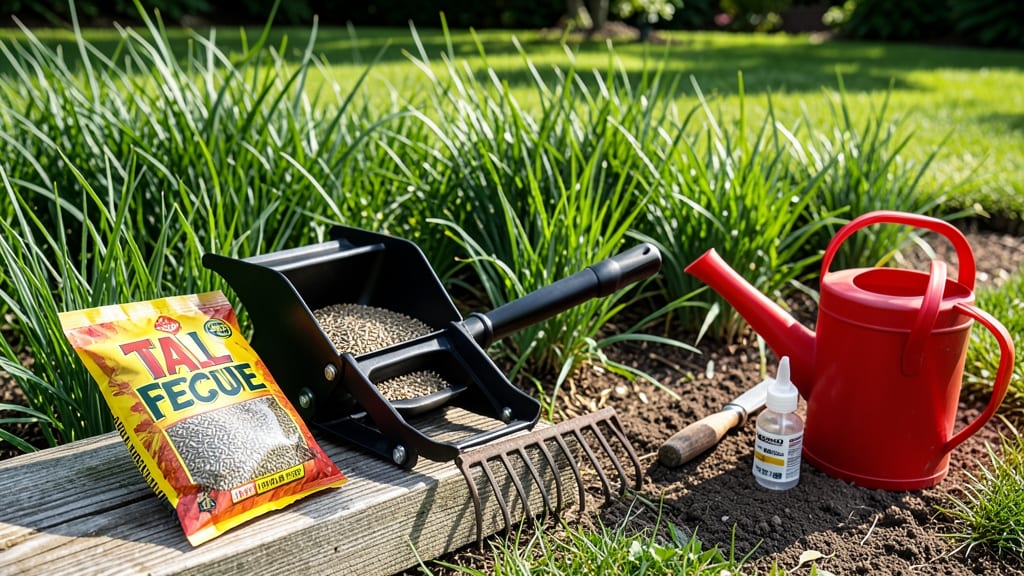
Planting grass seed in Kentucky at the right time means the difference between a lush lawn and months of bare soil—so timing is everything for a thriving yard.
Picture this: you’ve spent your hard-earned money on quality grass seed 🌱, spread it carefully, and then wait… only to watch it dry out before it even sprouts. That’s what happens when you plant too early or too late in Kentucky’s unpredictable climate.
The secret? Cool-season grasses like tall fescue and Kentucky bluegrass need the perfect window—early spring or early fall—when soil temperatures and moisture align just right.
Kentucky’s USDA Zones 6a-7a mean frost can still linger into mid-March, while summer heat can stress young seedlings by May. That’s why most gardeners swear by August or September for fall planting, when temperatures cool and rainfall increases.
But don’t wait too late—after the first frost, your seed won’t germinate at all.
In this guide, I’ll break down the exact months to plant, how to check soil conditions, and Kentucky-specific tips to avoid common mistakes. You’ll learn when to water, how to prep your soil, and even how microclimates in your region can shift the ideal planting date by weeks.
Best planting windows for Kentucky grass seed by month
Kentucky's climate—with its humid summers and chilly winters—demands precise timing for grass seed success. Cool-season grasses like tall fescue and Kentucky bluegrass thrive when planted in early spring or early fall, while warm-season types like Bermuda and zoysia need late spring warmth.
Northern Kentucky's cooler microclimates shift these windows slightly earlier than Southern Kentucky's warmer zones.
Timing isn't just about months—it's about soil temperatures, rainfall patterns, and avoiding extreme heat or frost risks. Plant too early, and drought or weeds take over.
Plant too late, and your lawn struggles to establish before winter. Let's break down the best months for each grass type, tailored to Kentucky's unique growing conditions.
🌱 Pro Tip: Use a soil thermometer to confirm 50-65°F for cool-season grasses and 70-85°F for warm-season types before planting. This simple check saves money and frustration!
| Grass Type | Ideal Planting Months | Northern KY Window | Southern KY Window | Key Considerations |
|---|---|---|---|---|
| Cool-Season Grasses |
March-April August-September |
March 15 - April 15 August 1 - September 15 |
March 1 - April 30 August 15 - October 1 |
Soil temp 50-65°F Avoid late fall planting |
| Tall Fescue | March-April, August-September | March 15 - April 15 | March 1 - April 30 |
Drought-tolerant Best for shade |
| Kentucky Bluegrass | March-April, August-September | March 15 - April 15 | March 1 - April 30 |
Needs consistent moisture Full sun preferred |
| Warm-Season Grasses | Late May-June | May 20 - June 15 | May 1 - June 20 |
Soil temp 70-85°F Avoid summer drought |
| Bermuda | Late May-June | May 20 - June 15 | May 1 - June 20 |
Heat-loving Drought-resistant |
| Zoysia | Late May-June | May 20 - June 15 | May 1 - June 20 |
Slow to establish Low maintenance |
🌡️ Soil temperature is your best guide—always check before planting!
For cool-season grasses, I recommend early spring planting (March-April) in Northern Kentucky to beat summer drought, while Southern Kentucky gardeners can extend their window until late April. The early fall window (August-September) is ideal because soil stays warm enough for germination while weed competition is minimal.
In Northern Kentucky, aim for August 1—this gives seeds time to establish before first frost (typically mid-November).
Warm-season grasses like Bermuda and zoysia demand late spring planting (May-June) when soil temperatures consistently stay above 70°F. In Southern Kentucky, you can plant as early as May 1, but Northern Kentucky gardeners should wait until May 20 to avoid late frost damage. These
Soil temperature and moisture checklist for successful germination
Before you spread that grass seed in Kentucky, the soil must be just right—neither too hot nor too cold, and perfectly moist. Cool-season grasses like tall fescue and Kentucky bluegrass need soil temperatures between 50-65°F to germinate, while warm-season types like Bermuda prefer 70-85°F.
If the soil is too warm or dry, your seed will bake or dry out before sprouting. I’ve learned this the hard way—planting in May’s heat left me with patchy, struggling grass that never fully recovered.
Moisture is just as critical. Grass seed needs consistent moisture to break dormancy, but too much water can suffocate it or cause fungal issues. The key is keeping the top 1-2 inches of soil evenly damp—not soggy, not bone-dry.
In Kentucky’s humid climate, this balance can be tricky, especially after summer rains or during fall droughts. A soil moisture meter (or even your finger) is your best friend here.
- Use a soil thermometer (insert 2” deep).
- Cool-season grasses: Aim for 50-65°F.
- Warm-season grasses: Wait for 70-85°F.
- Grab a handful of soil—it should crumble slightly when squeezed.
- If it sticks together, it’s too wet; if it powders, add water.
- Use a moisture meter for precision (ideal: 40-60% moisture).
- Loosen top 2-3 inches of soil with a rake.
- Remove debris and weeds—they compete for moisture.
- Add compost or starter fertilizer if soil is poor.
- Don’t plant if soil is above 75°F (cool-season seed will fail).
- Never let the soil dry out during germination.
- Avoid heavy foot traffic on fresh seed.
- Water lightly daily (keep topsoil damp).
- Switch to deep watering (0.5”/week) after sprouting.
- Water in the morning to reduce evaporation.
If your soil is too cold, wait—even a few degrees can delay germination by weeks. In Kentucky, this often means holding off until late August for fall planting. If it’s too hot, shade the seed with straw mulch until temps drop.
I once planted in early May and watched my seed dry out in 48 hours—don’t make that mistake! Pro tip: Use a soil thermometer for 3-5 days to track trends before planting.
Once you’ve nailed the temp and moisture, the real work begins. Grass seed needs 14-21 days to germinate, and that’s when consistent care pays off. I’ve seen seedling failures from skipping this step—don’t let that happen to you.
After germination, reduce watering slightly but keep the soil moist until the grass reaches 3-4 inches. That’s when you know you’ve done it right.
Remember, Kentucky’s climate can shift quickly. If you’re in the Bluegrass Region, you might plant a week earlier than someone on the Cumberland Plateau.
Always check local frost dates and adjust. With the right soil conditions, your grass will establish strong roots and outcompete weeds—no bare patches in sight!