
Plants
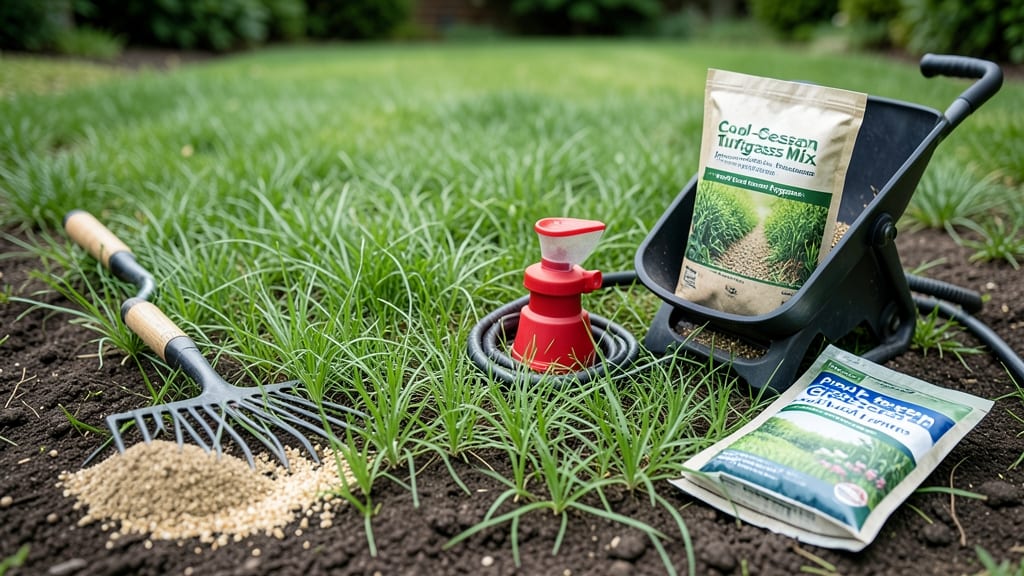
Planting grass seed in Maine’s spring means timing it right—between late April and early June—to avoid frost and drought, when the soil is warm enough for germination.
Timing your grass seed planting in Maine’s unpredictable spring can mean the difference between a lush lawn and a patchy disappointment—get it wrong, and frost or drought could ruin your efforts. Whether you’re in coastal 5a or inland 6b, knowing the exact window is key.
Cool-season grasses like Kentucky bluegrass thrive in Maine’s climate, but they need soil temperatures between 50–65°F to sprout. That means waiting until after the last frost, usually around mid-May, though coastal areas may warm up a week earlier.
Below, I’ll break down the best planting windows by zone, soil prep tips, and how to adjust for late frosts or dry spells—so you can finally get that even, green lawn you’ve been dreaming of.
Maine’s frost-free window for grass seed planting by Zone: exact dates
Maine’s cool, unpredictable springs demand precise timing for grass seed planting. The average last frost varies dramatically across zones, making a 4-6 week buffer your best friend.
For cool-season grasses like Kentucky bluegrass and fine fescue, this means planting late April to early June, while warm-season Bermuda waits until mid-June when soil hits 65°F+.
Northern Maine (USDA Zone 4-5) faces the latest frosts, often mid-May, while Southern Maine (Zone 6) can plant 2-3 weeks earlier.
Central Maine (Portland area) falls in-between with late April as the sweet spot. Soil temperature is your real guide—50-65°F for cool-season seeds, 65°F+ for warm-season.
Miss the window? Plant in early fall (August-September) for a second chance at germination before winter. This fall strategy works best for fine fescue, which establishes roots before dormancy. Spring planting gives Kentucky bluegrass a head start for summer color.
In Northern Maine, where late frosts are common, I recommend fine fescue blends for their cold tolerance. These seeds germinate at 35-40°F, giving you a 2-week head start over other varieties. Test soil temps with a soil thermometer—50°F is the magic number for safe planting.
Central Maine’s Portland area offers the most flexibility. Here, Kentucky bluegrass thrives when planted 4-6 weeks before last frost, typically early April. For shady lawns, mix in fine fescue (30% of blend) to handle low-light conditions. Water deeply after planting to 1 inch per week.
Southern Maine’s York region can experiment with warm-season Bermuda for summer drought resistance. Plant after Memorial Day when soil stays above 65°F for 5+ days. Cool-season grasses here still prefer spring planting, but fall overseeding works too for winter color.
Pro tip: Use the USDA Plant Hardiness Map to cross-check your zone.
Maine’s Zone 4-6 range means Northern areas need hardier varieties like Tall fescue, while Southern zones can handle Kentucky bluegrass’s aggressive spread. Adjust your calendar by 1-2 weeks if your microclimate runs warmer or cooler.
Watch for false springs—those 50°F warm-ups in March that fool you into planting too early. Frost can kill seedlings in 24 hours, so wait for consistent warmth. Mulch lightly with straw after planting to retain moisture and insulate roots from late frosts.
For coastal areas, like Bar Harbor, expect cooler, wetter springs—plant 1 week later than inland zones. Inland Augusta sees drier conditions, so irrigate immediately after planting. Track local forecasts on the National Weather Service for 10-day outlooks before committing to seed.
Remember: Gr
How to check soil temperature and weather conditions before planting
Before planting grass seed in Maine, soil temperature and weather forecasts are your best friends. Cool-season grasses like Kentucky bluegrass need soil between 50–65°F to germinate properly, while warm-season Bermuda waits for 65°F+.
A soil thermometer (available for $10–$20) is the only way to know for sure—air temperature can be misleading, especially in Maine’s coastal vs. inland microclimates.
Start checking soil temps 2–3 weeks before your target planting date. In Northern Maine, aim for late April checks, while Southern Maine can begin in early April.
Insert the thermometer 2–3 inches deep (where seeds will be) and wait 5 minutes for an accurate reading. Morning readings (9–11 AM) are most reliable since soil warms up during the day.
⚠️ WARNING: False Springs & Late Frosts ⚠️
For weather conditions, focus on precipitation and wind. Grass seeds need consistent moisture to germinate—1 inch per week (rain or irrigation). Use Maine’s Cooperative Extension Service (UMaine Extension) for localized drought alerts. Their weather stations track soil moisture in real-time, helping you adjust watering plans. In dry years, like 2020, I delayed planting until late May to avoid seed desiccation.
Pro tip: Combine soil temp checks with the USDA Plant Hardiness Map to adjust for your exact microclimate. Coastal areas (e.g., Bar Harbor) stay 5–10°F cooler than inland zones, so plant 1–2 weeks later.
For late frosts, monitor the Maine Climate Office’s frost probability maps. If frost is predicted within 7 days of planting, delay until soil stays above 50°F for 5+ days.
Finally, test your soil’s moisture-holding capacity. Dig a 6-inch hole, fill it with water, then check how long it takes to drain. Sandy soils drain too fast—amend with compost to retain moisture.
Clay soils may stay too wet; add perlite for aeration. Well-draining soil is critical for seed-to-soil contact, which triggers germination.
By combining soil temperature data, 10-day forecasts, and local extension resources, you’ll avoid the #1 mistake Maine gardeners make: planting too early. Patience pays off—a lush lawn starts with perfect timing, not guesswork. 🌱