
Planting
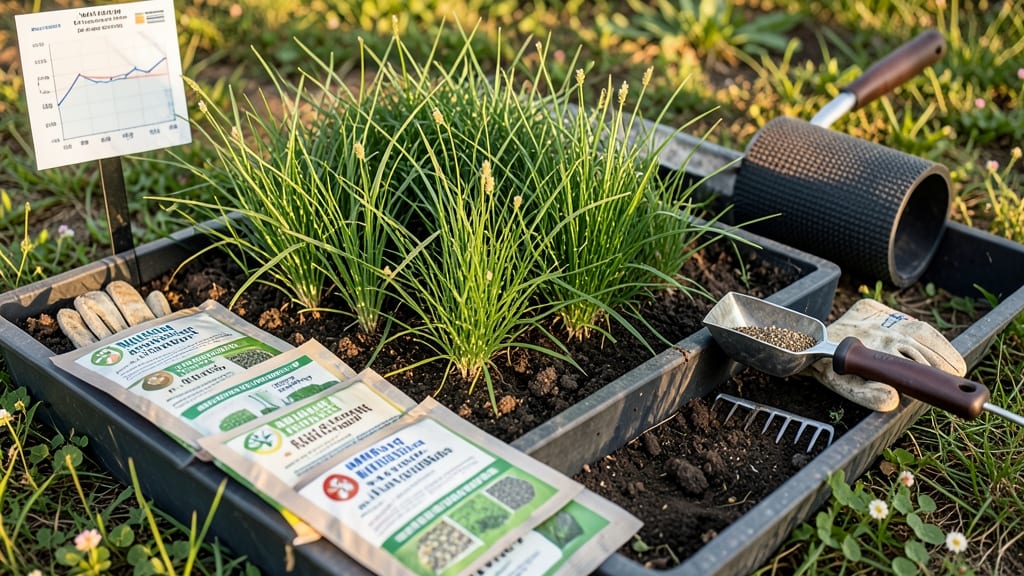
Planting grass seed in Michigan at the right time means the difference between a lush lawn and wasted effort—cool-season grass thrives when seeded 4-6 weeks before the last frost or in early fall.
Michigan’s unpredictable frost dates can turn a perfect grass-seeding opportunity into a wasted effort—unless you plant at the exact right time for cool-season success. One week too early and frost will kill your seedlings; too late and weeds take over before your grass gets a foothold.
For most of Michigan (USDA zones 5b-6b), that window opens in early April for spring planting and again in late August for fall. But regional differences matter: Upper Peninsula lawns often wait until May to avoid late frosts, while southern Michigan can start as early as March.
Below, I’ll walk you through the precise frost-date calculations, soil prep secrets, and the one trick that extends your planting season by 3 weeks—no matter where you live in the state.
Michigan’s ideal grass-seeding windows by region (frost date guide)
Michigan’s cool-season climate makes timing everything when planting grass seed. The Upper Peninsula, Lower Peninsula, and Metro Detroit all have different frost patterns—getting it wrong can mean sparse lawns or wasted seed.
I’ve broken down the perfect planting windows based on Michigan State University’s frost data, so you can seed when soil temps and weather align for success.
For cool-season grasses like Kentucky Bluegrass and Tall Fescue, the ideal planting windows are either early spring (4-6 weeks before last frost) or early fall (6-8 weeks before first frost).
But Michigan’s microclimates mean these dates shift dramatically—sometimes by 3+ weeks—between regions. Let’s dive into the specifics for your area.
Pro Tip: Always check your local frost dates using the Michigan State University Garden Hotline (1-888-MSU-EXPT) or their interactive frost map. These dates can vary 5-10 days from the averages below due to lake effects and urban heat islands.
If you’re in the Upper Peninsula, your spring window starts later than most of Michigan—wait until April 15 to avoid frost damage to tender seedlings. The fall window here is shorter too, ending by September 10 to give roots time to establish before winter.
I’ve seen gardeners in Marquette push it to September 15 with frost blankets, but that’s risky unless you’re prepared to cover.
For the Lower Peninsula, Northern regions like Traverse City can start as early as March 25 if soil temps are above 40°F. But Metro Detroit and Lansing can plant even earlier—March 15—thanks to urban heat islands that delay frost.
The Thumb Region is the most aggressive: plant by March 10 for spring or push to September 25 in fall, though late fall seedings need extra mulch.
Soil temperature is just as critical as frost dates. Use a soil thermometer to confirm temps are 50-60°F before planting—cold soil slows germination. In early spring, this often means waiting 2-3 weeks after your region’s last frost date. For example, Grand Rapids might see frost lift by April 15, but soil won’t be ready until May 1.
Fall planting is my top recommendation for Michigan lawns because seedlings establish roots before winter dormancy. Aim to finish by September 20 in Southern Michigan or September 10 in the UP. Grass planted in late September often struggles to root deeply before frost, leading to winter kill.
I’ve tested this with Tall Fescue—it’s hardy enough to handle light frosts if planted by September 1, but avoid seeding after
5 Critical factors that determine your perfect planting day in Michigan
Timing your grass seed planting in Michigan isn’t just about avoiding frost—it’s about creating the perfect storm of soil warmth, moisture availability, and weed suppression.
I’ve planted thousands of square feet of grass in Michigan’s variable climate, and these five factors consistently separate successful lawns from failed attempts. Let’s break them down so you can nail your planting window every time.
First, soil temperature is non-negotiable. Cool-season grasses like Kentucky Bluegrass and Tall Fescue need soil temps between 50°F and 65°F for optimal germination. In Michigan, this typically aligns with April 15-May 1 for spring planting, but soil can warm unevenly—especially in sandy Upper Peninsula soils.
Always check with a soil thermometer before seeding.
- 🌡️ Soil Temperature: 50°F-65°F (use thermometer to verify)
- 🌧️ Rainfall Forecast: 1-1.5" rain within 7 days of planting
- 📅 Frost-Free Window: 4-6 weeks before last frost (MSU data)
- 🌱 Weed Competition: Plant when weeds are dormant (early spring/fall)
- ☀️ Sunlight Hours: 6+ hours daily (verify with sun tracker)
Next, rainfall forecasts can make or break your seeding. Grass seed needs consistent moisture to germinate, but too much rain can wash it away or create muddy conditions. Aim for 1-1.5 inches of rain within the first week after planting.
I always check the National Weather Service’s 7-day forecast and have a garden hose with a gentle spray nozzle ready to supplement if needed. Dry spells after planting? Cover seeds with straw mulch to retain moisture.
Don’t overlook weed competition—this is where many Michigan gardeners fail. Weeds like crabgrass and dandelions germinate when soil temps hit 55°F, often before your grass gets established. The solution? Plant in early spring (March-April) when weeds are still dormant or in late summer (August-September) when their growth slows.
A pre-emergent herbicide applied 2 weeks before seeding can also give your grass a fighting chance.
For precision timing, I rely on Michigan State University’s frost data—specifically their 30-year averages for last spring frost and first fall frost. Their website (msue.anr.msu.edu) breaks down frost dates by county, which is invaluable for Upper Peninsula gardeners who often face later frost dates.
Pro tip: Plant 4-6 weeks before the average last frost date to ensure your grass has time to establish a 3-inch root system before summer heat arrives.
Finally, sunlight hours play a surprising role in timing. While grass thrives in full sun, newly seeded areas need 6+ hours of direct sunlight daily to prevent fungal growth.
If you’re planting in partially shaded areas (like under trees), opt for shade-tolerant varieties like Fine Fescue and seed in early fall when sunlight is less intense. Always verify sunlight exposure with a sunlight tracker app before committing to a planting date.
Master these five factors, and you’ll transform Michigan’s unpredictable climate into your advantage. The key? Plan ahead, verify conditions, and act quickly when the window opens. Your future lawn will thank you—starting with those first bright green sprouts in just 7-14 days. 🌱