
Plants
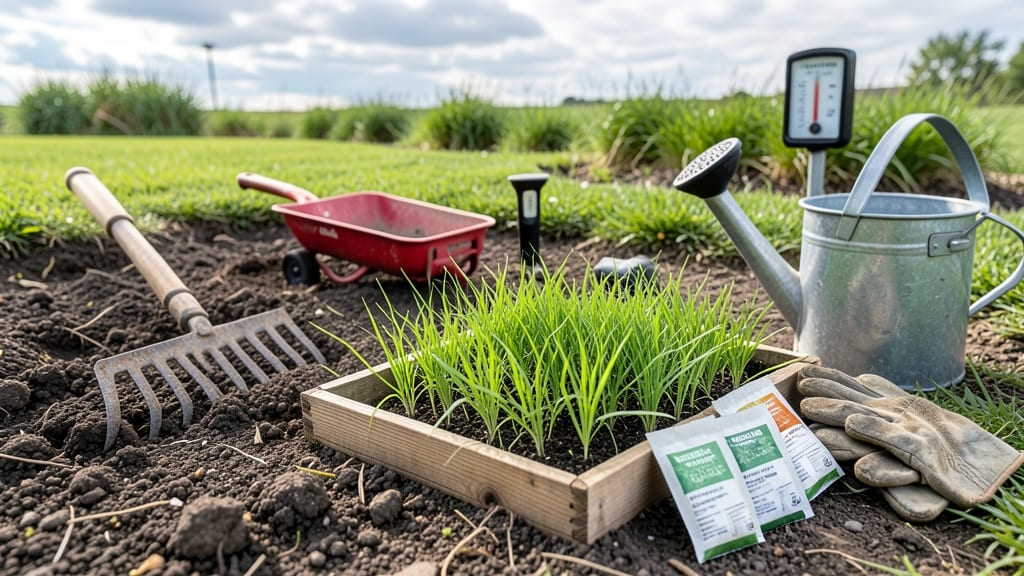
Planting grass seed in Nebraska at the right time means the difference between a thick, green lawn and a patchy, struggling mess—especially in zones 4b-6a where winters are brutal and summers unforgiving.
Nebraska’s unpredictable weather can make timing your grass seed planting tricky—but getting it right ensures a thick, green lawn that survives the state’s harsh winters and scorching summers.
Most gardeners swear by early fall (September-October) as the best window, when soil stays warm but temperatures cool enough to reduce stress on new seedlings.
Below, I’ll break down the exact months for your region, soil prep secrets, and how to outsmart Nebraska’s wind and drought to keep your lawn lush year-round.
Best months to plant grass seed in Nebraska based on climate zones
Nebraska’s USDA hardiness zones 5a-6b create distinct windows for planting grass seed, where timing directly impacts germination success. The ideal soil temperature for seed germination is between 50-70°F, making early fall and spring the safest bets for most regions.
In zone 5a (western Nebraska), where winters are colder and summers drier, focus on late August through early October for fall planting. Meanwhile, zone 6b (eastern Nebraska) can extend planting slightly later into October due to milder winters.
Spring planting in Nebraska works best from mid-March to early May, but avoid planting too early—soil must warm to at least 50°F to prevent seed rot. Use a soil thermometer to confirm readiness before sowing.
Here’s a quick reference table for Nebraska’s planting windows based on your climate zone:
| Climate Zone | Best Planting Window | Soil Temp Threshold | Key Considerations |
|---|---|---|---|
| Zone 5a (Western NE) | Late August - Early October | 50-65°F | Avoid late fall planting; frost risk increases after October 15. |
| Zone 5a (Spring) | Mid-March - Early April | 50-60°F | Wait for consistent daytime temps above 50°F to prevent seed dormancy. |
| Zone 6b (Eastern NE) | Late August - Mid-October | 50-68°F | Can plant slightly later due to milder winters; aim for 4-6 weeks before frost. |
| Zone 6b (Spring) | Early April - Early May | 50-70°F | Soil warms faster in eastern NE; monitor for weeds post-planting. |
For cool-season grasses like Kentucky bluegrass and tall fescue—common in Nebraska—fall planting is superior because seedlings establish roots before winter dormancy. Spring planting works but requires consistent moisture to outpace summer drought.
If you’re planting warm-season grasses like Bermuda or buffalo grass (less common but drought-tolerant), aim for late spring (May-June) when soil temps exceed 70°F. These grasses struggle in Nebraska’s cold winters and are better suited for southern regions.
Use a seed germination calculator to adjust timing based on your specific grass variety—some seeds sprout faster than others. For example, tall fescue germinates in 10-21 days, while Kentucky bluegrass takes 14-30 days.
Pro tip: In Nebraska’s windy conditions, use a starter fertilizer with phosphorus to encourage root growth. Apply it at planting to help seedlings anchor quickly and resist wind damage.
Finally, avoid planting in July or August—summer heat stresses seedlings, and Nebraska’s drought conditions can kill new grass before it establishes. If you must plant in summer, use shade cloth and daily watering until roots develop.
How Nebraska’s weather patterns affect grass seed germination success
Nebraska’s microclimates create dramatic differences between eastern and western regions—where Omaha’s humidity contrasts sharply with Scottsbluff’s dry winds. These variations directly impact your grass seed’s ability to germinate, with drought stress and wind exposure being the biggest threats.
In western Nebraska, low humidity and high winds can dry out seeds within days, while eastern areas face soil compaction from heavy rainfall.
One critical factor is frost dates, which shift by 2-3 weeks between regions. Omaha typically sees its last frost around April 10, while Scottsbluff holds onto cold until April 20.
This means western gardeners must plant 2 weeks earlier in spring to avoid late frosts damaging tender seedlings. Similarly, first frosts arrive October 15 in Omaha but can hit October 5 in western areas, shrinking the fall planting window significantly.
Nebraska’s prevailing winds from the west create another challenge. Areas like North Platte experience 20+ mph winds 50 days a year, which can blow away loose seeds or create uneven germination. To combat this, use a seed blanket or light mulch to hold seeds in place until roots establish.
In windy regions, consider dwarf varieties like creeping red fescue, which establish faster and resist wind damage better than taller grasses.
⚠️ WARNING: Nebraska’s Drought & Wind RisksPlanting grass seed in Nebraska’s dry western regions without proper prep is like setting up a tent in a hurricane—it won’t end well. Here’s what you’re up against:
- 🌬️ Wind Exposure: Western NE averages 15+ mph winds 30% of spring/fall days, increasing seed loss by 40% if unprotected.
- 💧 Drought Risk: Scottsbluff sees only 12 inches of rain annually—half of Omaha’s total—making summer survival critical for fall-planted seeds.
- ❄️ Frost Timing: Western areas can have late spring frosts (after April 20), while eastern NE may see false springs with warm spells followed by sudden cold snaps.
Solution: Adjust your planting schedule 2 weeks earlier in western NE, use windbreaks, and prioritize drought-tolerant varieties like tall fescue or buffalo grass.
Another key difference is soil moisture retention. Eastern Nebraska’s clay soils hold moisture longer, giving seedlings a fighting chance during dry spells, while western sandy loams dry out rapidly. To improve germination in dry areas, pre-water the soil 4-6 inches deep 24 hours before planting.
This creates a moisture reservoir that protects seeds during Nebraska’s sudden dry spells, which can occur even in spring.
For eastern Nebraska gardeners (Omaha, Lincoln), focus on fall planting between September 15-October 15, when soil temps stay above 50°F but humidity increases. In contrast, western areas should aim for late August-September 15 to avoid early frosts.
Use a soil thermometer to verify—seeds won’t germinate below 50°F, and Nebraska’s nighttime temps can drop unexpectedly, especially in elevated areas like the Sandhills region.
Finally, Nebraska’s summer heat (often exceeding 90°F) makes spring planting risky if seeds aren’t established by June 1. In eastern NE, Kentucky bluegrass thrives with spring planting because the growing season is longer, but western areas should stick to fall to avoid summer stress.
If you must plant in spring, water deeply twice daily until seedlings reach 3 inches tall—this mimics Nebraska’s unpredictable rainfall patterns and gives your lawn the best shot at survival.