
Plants
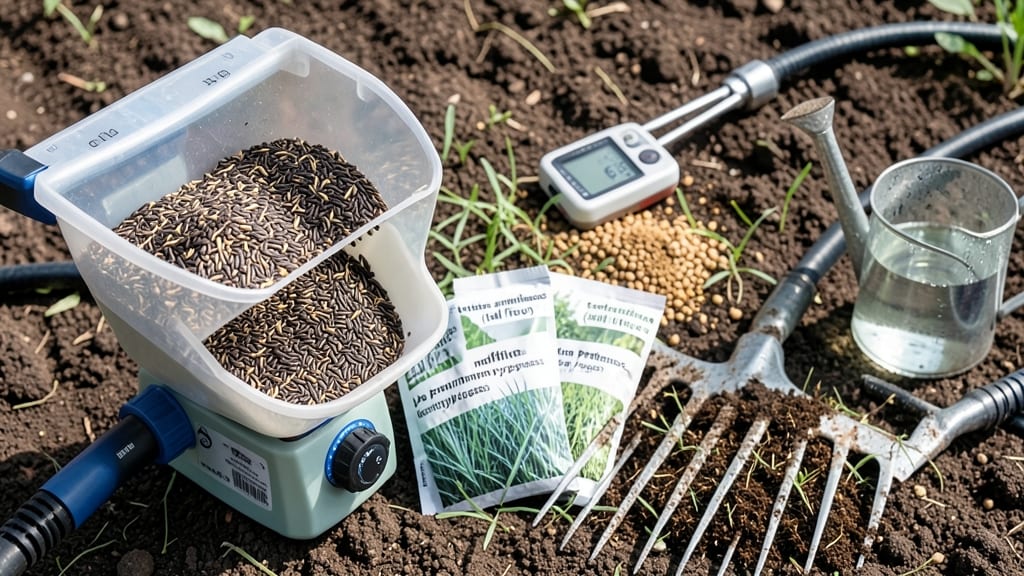
Planting grass seed in Northern California at the right time means the difference between a lush, weed-resistant lawn and months of frustration.
Struggling to get that vibrant green carpet? Timing is everything—especially in 8a-9b zones where coastal fog meets inland heat. Miss the window, and you risk patchy growth or weeds taking over before your grass even gets a foothold.
Most gardeners swear by early fall (August–October) or late winter (February–March) when soil temps hit that 60°F–75°F sweet spot for germination. But inland areas like Sacramento need a different approach than foggy San Francisco, and I’ll break down the exact months—and why they matter—for each microclimate.
Below, you’ll find the fastest, most reliable planting schedule, plus pro tips for soil prep, seed selection, and watering to outsmart weeds and drought. Let’s get that lawn growing right.
Best months to plant grass seed in Northern California for fast germination
Northern California’s diverse climate—from foggy coastal areas to hot inland valleys—means your grass seed planting window depends on where you live. Coastal regions like San Francisco have milder winters, while inland cities like Sacramento experience hotter summers and colder winters.
To maximize germination success, focus on periods when soil temperatures are ideal (60°F–75°F) and rainfall supports seedling growth.
In my experience, the best months to plant grass seed in Northern California are late summer to early fall (August–October) and late winter (February–March). These windows align with natural rainfall patterns and avoid extreme heat or drought stress.
For example, coastal areas can extend planting into November, while inland regions should finish by October to avoid winter dormancy.
Soil temperature is the #1 factor for germination. Use a soil thermometer to confirm it’s between 60°F and 75°F. Coastal soils stay cooler longer, so you can plant 1–2 weeks later than inland areas. Inland valleys, like the Central Valley, may need to start earlier to avoid summer heat stress.
Here’s how Northern California’s microclimates affect your planting schedule:
Coastal (e.g., San Francisco, Santa Cruz): - Ideal months: September–November (cooler, wetter) - Soil temp: 55°F–65°F (perfect for cool-season grasses) - Rainfall: 2–4 inches/month (reduces irrigation needs) - Grass types: Fine Fescue, Perennial Ryegrass
Inland Valleys (e.g., Sacramento, Stockton): - Ideal months: August–September (before summer heat) - Soil temp: 70°F–80°F (risk of drought stress if planted late) - Rainfall: 0.5–1 inch/month (supplemental watering required) - Grass types: Tall Fescue, Buffalo Grass
Foothills/Mountains (e.g., Lake Tahoe, Redding): - Ideal months: April–May or September (avoid frost) - Soil temp: 50°F–65°F (cooler high elevations) - Rainfall: 1–3 inches/month (seasonal variability) - Grass types: Kentucky Bluegrass, Creeping Red Fescue
| Region | Best Planting Window | Soil Temp (°F) | Rainfall (in/month) | Top Grass Varieties |
|---|---|---|---|---|
| Coastal (SF, Santa Cruz) | September–November | 55–65°F | 2–4 inches | Fine Fescue, Perennial Ryegrass |
| Inland Valleys (Sacramento) | August–September | 70–80°F | 0.5–1 inch | Tall Fescue, Buffalo Grass |
| Foothills/Mountains | April–May or September | 50–65°F | 1–3 inches | Kentucky Bluegrass, Creeping Red Fescue |
If you miss the ideal windows, don’t panic—spring planting (March–April) can work in cooler microclimates, but expect slower germination due to competition from weeds.
For example, planting in April in the Bay Area is riskier than in September because summer drought stress can kill seedlings before they establish.
Pro tip: Late summer (August) is a hidden gem for inland areas. The soil is still warm from summer, but afternoon rains (common in August) provide moisture without the intense heat of July. This is why Tall Fescue thrives when planted in late August—it germinates quickly before temperatures drop.
For fast germination, pair your planting with consistent watering (1–1.5 inches per week) and a light mulch (like straw) to retain moisture.
In my Sacramento garden, I’ve seen Perennial Ryegrass sprout in just 7–10 days when planted in September with these conditions, compared to 3+ weeks in April.
Finally, avoid planting during peak summer (June–July) unless you’re in a high-elevation area. The combination of heat and drought in Northern California’s valleys makes this a high-risk period for seed failure.
Instead, plan ahead and mark your calendar for late summer or early fall—your future lawn will thank you!
🌱
How to choose grass seed varieties for Northern California’s climate zones
Northern California’s diverse climate—from foggy San Francisco to sunbaked Sacramento valleys—means not all grass seed varieties thrive equally. Cool-season grasses dominate coastal areas, while inland zones benefit from drought-tolerant warm-season types. Choosing the wrong variety can lead to patchy growth or weeds taking over before your lawn establishes.
For coastal regions (USDA zones 8a-9a), like San Francisco and Marin, opt for fine fescue or Kentucky bluegrass. These cool-season grasses handle the mild winters and summer fog better than heat-loving types.
Inland valleys (Sacramento, Stockton) need tall fescue or bermuda grass for their hot, dry summers and low rainfall.
Here’s a quick guide to match your climate zone with the best grass seed for weed resistance and drought tolerance:
| Climate Zone | Best Grass Varieties | Key Traits | Weed Resistance |
|---|---|---|---|
| Coastal (SF, Marin) | Fine Fescue, Kentucky Bluegrass | Cool-season, shade-tolerant, low-maintenance | Moderate (needs regular mowing) |
| Inland Valleys (Sacramento) | Tall Fescue, Bermuda Grass | Drought-tolerant, heat-resistant, fast-growing | High (competitive with weeds) |
| Foothills (Modesto, Fresno) | Buffalo Grass, Zoysia | Extreme drought tolerance, low water needs | Very High (natural weed suppression) |
Avoid warm-season grasses like St. Augustine in coastal areas—they’ll brown out during winter fog. Similarly, cool-season grasses in inland zones struggle with summer heat and often require extra watering.
For foothills, buffalo grass is my top pick: it thrives on 50% less water than Kentucky bluegrass and crowds out weeds naturally.
Pro tip: Mix 2-3 varieties for a denser lawn. For example, combine fine fescue (shade tolerance) with Kentucky bluegrass (durability) in coastal yards. Always check the seed label for drought resistance ratings—look for types labeled "low-maintenance" or "drought-tolerant."
Once you’ve picked your seed, prep your soil by removing weeds and aerating compacted areas. Coastal soils often need amendments like compost to improve drainage, while inland soils benefit from gypsum to break up clay. Water deeply after planting to encourage root establishment—especially in drought-prone zones.
With the right variety for your microclimate, your lawn will establish faster, resist weeds better, and stay lush year-round—even during Northern California’s unpredictable weather swings. 🌱