
Plants
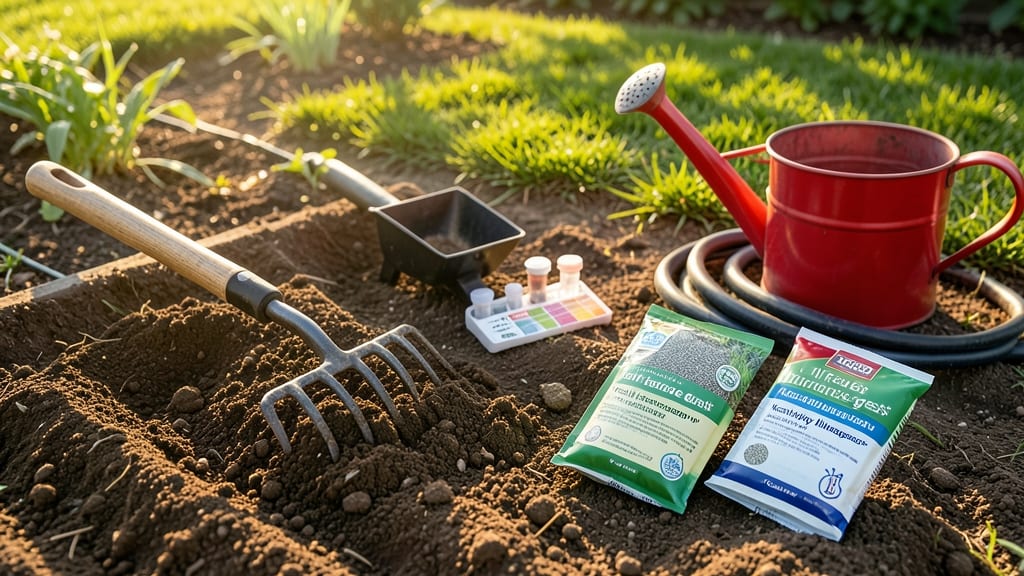
Planting grass seed in New York's spring means timing it right between mid-April and late May—after the last frost—when soil temperatures hit 50°F or warmer for fast germination.
Too early, and a late frost will wipe out your progress. Too late, and summer heat can dry out seedlings before they take root. I’ve seen both happen in my own backyard, and the difference between a lush lawn and a patchy mess comes down to those critical weeks.
New York’s USDA zones 5a-7b add another layer: Upstate’s cooler climate may need an extra week, while Long Island’s milder springs can push planting into early June.
We’ll break down the exact dates by zone, plus how to prep soil and choose seeds that thrive in your corner of the state.
From soil temperature tests to watering schedules, you’ll learn the game-changer steps that turn bare dirt into a green carpet—without the guesswork.
NY spring grass seed planting calendar: best dates by USDA hardiness zones 5-7
New York’s spring weather throws curveballs—one day it’s 50°F sunshine, the next 30°F frost. To nail your grass seed germination, timing is everything. I’ve broken down the ideal planting windows for USDA Zones 5a-7b, including adjustments for Upstate NY’s cooler pockets and Long Island’s milder microclimates.
Think of this as your NY-specific grass planting GPS.
Most cool-season grasses (like tall fescue and Kentucky bluegrass) thrive when soil hits 50-65°F. But here’s the catch: planting too early risks frost damage, while waiting too late lets weeds steal your lawn’s spotlight.
My zone-by-zone calendar below shows when to act—plus how to tweak for your local microclimate.
Pro Tip: Use a soil thermometer ($15 at garden centers) to confirm temps before planting. Aim for consistent 55-65°F soil for 7+ days—this is your green light to sow.
For Upstate NY (Zones 5a-5b), I recommend tall fescue blends—they handle late springs better than Kentucky bluegrass. In Zone 6b+ (NYC/Long Island), mix perennial ryegrass for fast germination (sprouts in 7-10 days) to outcompete weeds.
Here’s my non-negotiable rule: Never plant when nighttime temps dip below 40°F. Use a frost clock (like the National Weather Service’s) to track your last frost date. In Zone 5a, that’s often May
5 Critical factors that determine your perfect planting window in NY
New York’s spring weather throws curveballs—one day it’s 60°F and sunny, the next it drops back to 40°F with frost. To nail your grass seed planting, I’ve learned to focus on five non-negotiable factors.
First, soil temperature is your best friend: seeds need 50°F+ soil to germinate reliably. Too cold, and they’ll rot in the ground. I always test with a soil thermometer before planting.
Next up is frost risk. The last average frost date in NY ranges from mid-April in Upstate to early May in Long Island. Planting too early means a surprise freeze could kill your seedlings.
I wait until 2-3 weeks after the last frost date to be safe. Check your local USDA zone for exact dates—zone 5a needs patience, while 7b can start earlier.
Don’t overlook rainfall patterns. NY spring can be either bone-dry or soaked. Aim for 1 inch of water weekly—either from rain or your hose. I set up a rain gauge to track moisture; if we get less than 0.5 inches for a week, I water manually.
Overwatering is just as bad as underwatering—it smothers seeds and invites fungus.
Your seed type matters too. Cool-season grasses like tall fescue and Kentucky bluegrass dominate NY lawns—they thrive in our climate. Warm-season grasses like Bermuda? Skip them unless you’re in a southern NY microclimate. I always choose NY-adapted blends from local nurseries for the best results.
Finally, post-planting care timelines seal the deal. The first 2 weeks are critical: seeds need consistent moisture and light (no thick mulch!). I cover newly seeded areas with straw mulch to retain moisture but avoid suffocating sprouts.
After germination, thin seedlings by mowing to 3-4 inches—never cut more than 1/3 of the blade height at once.
Pro tip: If you’re in NYC or Long Island, watch for heatwaves in May. They can dry out seeds faster than Upstate’s cooler air. I’ve had success using shade cloth during extreme heat to protect young sprouts.
Also, mark your calendar for mid-September—that’s your second chance for fall planting before winter sets in.
Timing your planting isn’t just about dates—it’s about reading your local microclimate. Observe your yard for 3 years to spot patterns. For example, my north-facing slope stays cooler and frosts later than my south-facing lawn. Adjust your planting window accordingly, and you’ll avoid the heartbreak of wasted seeds.
Remember: Patience is key. Rushing leads to thin, weak grass that struggles with NY’s pests and weather. Follow these five factors, and you’ll have a thick, green lawn by summer—no guesswork required.