
Plants
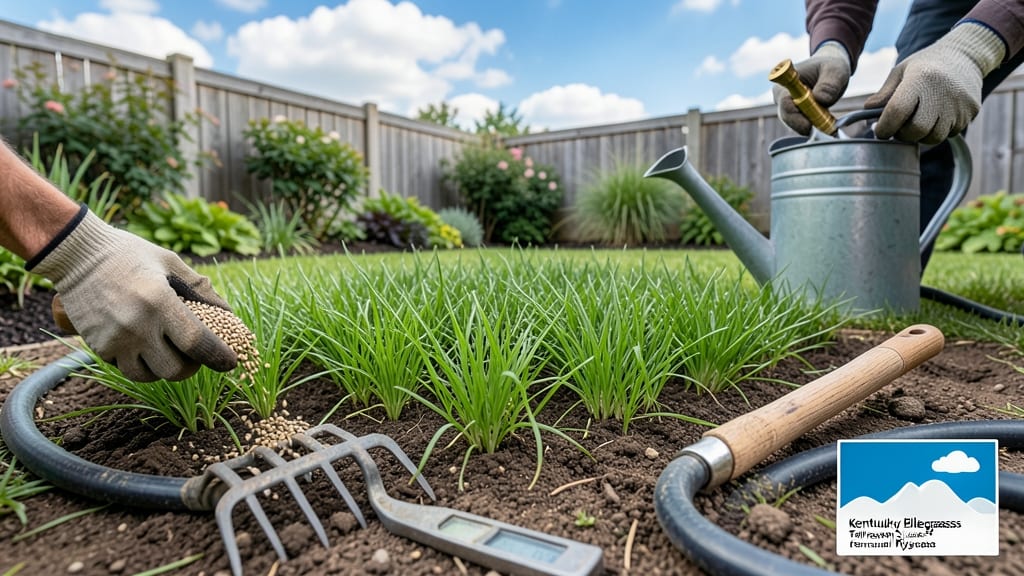
Planting grass seed in Ohio at the right time ensures strong roots before winter and a lush lawn by summer — aim for early fall or late spring when soil temperatures hit 50–65°F.
Ohio’s unpredictable spring and fall weather can make or break your lawn—planting grass seed at the wrong time means battling frost, weeds, or poor germination. Timing is everything, and getting it right ensures a resilient lawn that outlasts the state’s harsh winters.
Cool-season grasses like Kentucky bluegrass thrive when planted in September or early October, while warm-season types (like Bermuda) wait for May or June. The key is avoiding summer heat or winter frost, which can stall growth or kill seedlings before they take hold.
Below, I’ll walk you through the best months for your Ohio zone, soil prep tips, and how to choose the right seed mix for your climate. Perfect timing means fewer weeds, deeper roots, and a lawn that stays green year after year.
Best months to plant grass seed in Ohio for optimal germination
Ohio’s USDA Zone 6a climate creates two perfect windows for planting grass seed: early fall (September-October) and late spring (April-May). These periods offer ideal soil temperatures (50–65°F) and moisture levels for germination while avoiding summer droughts or winter freezes.
The fall planting window is my top recommendation for Ohio lawns. Cool-season grasses like Kentucky bluegrass and tall fescue establish deep roots before winter, emerging stronger in spring.
Southern Ohio’s milder winters (Zones 6b-7) allow planting as late as early November, while northern Ohio (Zones 5b-6a) should finish by mid-October.
Spring planting requires patience—wait until after the last frost date (mid-April) but before June 10, when summer heat arrives. Warm-season grasses like Bermuda or zoysia planted in late May can still thrive, but cool-season types struggle in Ohio’s 90°F+ summers.
Soil temperature is your best guide: Use a soil thermometer to confirm 50°F+ before planting. In Ohio, this typically aligns with late April for spring and early September for fall. Northern Ohio may need to adjust 1–2 weeks later than southern regions.
For northern Ohio (Zones 5b–6a), prioritize September 15–October 15 to ensure seedlings establish before first frost (mid-October). Southern Ohio (Zones 6b–7) can extend planting to early November but risk weed competition if delayed past October.
Spring planting in Ohio demands soil prep in March—aerate compacted clay soil and add compost to improve drainage. Test soil pH (ideal: 6.0–7.0) and amend with lime if needed. Late April is the safest start date, but monitor soil temps daily.
Warm-season grasses like Bermuda need consistent warmth (>65°F) to germinate, making late May the earliest viable window. These types thrive in Ohio’s summer heat but struggle with fall frosts, so avoid planting after June 10.
Ohio’s microclimates create local variations: Urban areas (e.g., Columbus) may experience 2–3°F warmer soil temps than rural zones, allowing slightly later planting. Use a soil thermometer for 3-inch depth readings—this is more accurate than air temperature.
Pro tip: Mulch newly seeded areas with straw to retain moisture and regulate soil temps. In Ohio’s dry springs, this can mean the difference between 7
How to prepare Ohio soil and seed for frost-resistant growth
Ohio’s USDA Zone 6a means frost can strike anytime after mid-October, so preparing your soil and seed mix is critical. The right prep ensures your grass establishes deep roots before winter, giving it a fighting chance against freezing temperatures and snow mold.
Start by testing your soil’s pH level—most grasses thrive in a range of 6.0–7.0, but Ohio’s clay-heavy soils often skew alkaline.
Cool-season grasses like Kentucky bluegrass and tall fescue dominate Ohio lawns because they handle frost better than warm-season types. These varieties need 4–6 weeks of warm soil (50–65°F) to germinate, so timing your prep is just as important as planting.
I’ll break down the exact steps to adjust your soil and choose the right seed for your Ohio microclimate.
⚖️ Planting Timing Pros and Cons
✔ Pros:
- Soil stays warm for germination
- Less weed competition than spring
- Grass roots deep before winter
❌ Cons:
- Risk of early frost in northern Ohio
- Requires consistent moisture as temps drop
✔ Pros:
- Warm soil speeds germination
- Avoids fall frost risks
- Warm-season grasses thrive in summer
❌ Cons:
- More weed competition in summer
- Needs frequent watering during drought
- Less time for root establishment before winter
Before planting, test your soil using a kit from your local Ohio State University Extension office. If your pH is too high (above 7.0), mix in sulfur or peat moss to lower it. For acidic soil (below 6.0), add lime 2–3 months before planting to give it time to adjust.
Ohio’s clay soil also benefits from compost or sand to improve drainage—aim for 1–2 inches worked into the top 6 inches.
Next, choose your seed mix carefully. Cool-season grasses like tall fescue and fine fescue handle Ohio’s winters best, while warm-season types (e.g., Bermuda) need warmer soil to germinate. For frost resistance, opt for dwarf varieties like creeping red fescue, which stay green in 20°F temps.
Mixing 3–4 grass types also improves resilience against pests and diseases.
After planting, mulch lightly with straw to retain moisture and protect seedlings from temperature swings. Water deeply 2–3 times weekly (about 1 inch total) until germination, then taper to 1 inch per week once established.
In northern Ohio (Zones 5b–6a), cover new seed with a lightweight frost cloth if a hard freeze is forecasted within 2 weeks of planting.
Finally, avoid fertilizing until after your grass has 4–6 weeks of growth. A slow-release fertilizer with high nitrogen (like 24-0-5) in early fall helps strengthen roots before winter.
By following these steps, your Ohio lawn will outlast frost and emerge greener in spring—no matter how early the first freeze hits.