
Plants
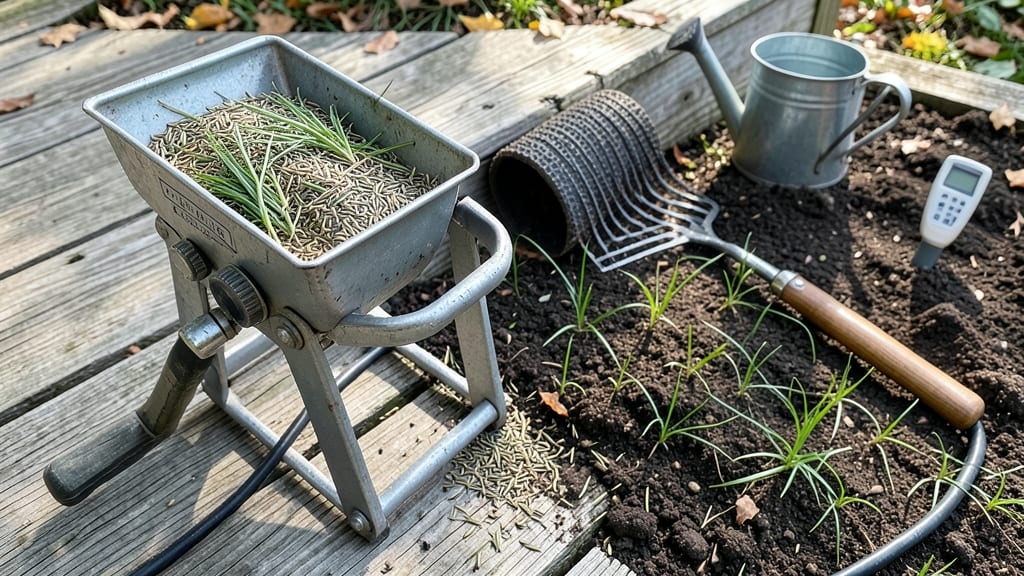
Planting grass seed in Rhode Island at the right time means the difference between a thick, vibrant lawn and months of patchy, uneven growth—or worse, seeds that never sprout.
With the state’s coastal climate and USDA Zone 6b frost dates, timing is everything. Plant too early, and a late frost will wipe out your efforts; too late, and summer heat can stress young grass before it takes hold.
In this guide, I’ll walk you through the exact frost-free window for Rhode Island—when soil temps are ideal for germination—and how to prep your lawn for success, whether you’re seeding in spring or fall.
You’ll discover the best months for planting, soil temperature rules, and pro tips to avoid common mistakes that derail lawns in New England’s unpredictable weather.
Rhode Island grass planting zones & frost-free window by month (2024 guide)
Rhode Island's USDA Plant Hardiness Zones 5b-6b create a unique challenge for lawn lovers. The Ocean State's coastal areas (like Newport) often experience earlier springs and cooler summers than inland cities such as Providence. This means your grass planting window can vary by 3-4 weeks depending on location.
For cool-season grasses like Kentucky Bluegrass and Tall Fescue (the best choices for RI), aim for early spring (March-April) or early fall (September-October). Warm-season grasses like Bermuda Grass have a very narrow window in late May-June, but they're rarely used in Rhode Island's climate.
| Location | USDA Zone | Avg Last Frost | Avg First Frost | Best Planting Window | Soil Temp Threshold |
|---|---|---|---|---|---|
| Providence | 6a/6b | April 15 | October 20 | March 20-April 30 September 15-October 15 |
50-65°F |
| Newport | 6b | April 5 | October 10 | March 15-April 20 September 10-October 5 |
50-65°F |
| Westerly | 5b/6a | April 25 | October 25 | April 1-May 10 September 20-October 20 |
50-65°F |
| Coastal Areas | 6b | March 30-April 10 | October 5-15 | March 10-April 15 September 5-October 10 |
50-65°F |
Notice how Newport's coastal location gives it a 2-week earlier planting window than Westerly? This coastal advantage means you can start grass seed as early as late February in some areas if you use winter ryegrass for temporary cover.
Always check soil temperatures before planting—50°F is the minimum for germination.
The fall planting window (September-October) is actually preferred in Rhode Island because cooler temperatures reduce weed competition and even moisture from autumn rains helps establishment. For Providence gardeners, aim to finish planting by October 15 to avoid early frost damage to young seedlings.
If you're planting in shady areas (common in urban RI lawns), choose fine fescue blends and extend your window to late May when soil stays consistently warm. The URI Lawn Program recommends waiting until May 15 for shade seedings to avoid fungal diseases that thrive in cool, damp spring conditions.
For coastal erosion control, plant sea oats grass mixes in late summer (August-September) when sandy soils are warm enough for germination. These specialized grasses establish 2-3 weeks faster than standard lawn mixes in salt-affected soils.
Pro tip: Use black plastic mulch in early spring to warm soil faster in Zone 5b areas like Westerly. Remove it once soil reaches 55°F and plant immediately. This can extend your window by 2-3 weeks in colder microclimates.
Always monitor local forecasts—Rhode Island's unpredictable coastal weather can shift frost dates by 10 days or more. The National Weather Service provides free frost alerts for your specific town that you can use to time your planting perfectly.
Remember: Overseeding in fall (September-October) is the #1 way to achieve a thicker, greener lawn in Rhode Island. This is when 90% of professional lawn care happens in New England—don't miss this window!
Soil temperature rules for grass seed germination in RI (with real-time tools)
Rhode Island’s coastal climate can trick even experienced gardeners into planting grass seed too early or late. The real secret to success isn’t just the calendar date—it’s soil temperature.
For cool-season grasses like Kentucky Bluegrass and Fescue, germination only kicks in when soil hits 50–65°F. Warm-season types like Bermuda and Zoysia, meanwhile, need 65–75°F to sprout reliably.
Why does this matter? Seeds planted in cold soil may rot before germinating, while those in overheated soil risk drying out. In my experience, spring planting in RI often fails because gardeners rush to seed before soil warms enough—especially in coastal areas where temperatures lag behind inland zones.
To avoid these pitfalls, I rely on real-time soil temperature data from the URI Soil Thermometer Network, which tracks conditions across Rhode Island’s USDA Zones 5b–6b. Their free tools let you check current soil temps at 4-inch depth—the exact level where grass seeds germinate.
Microclimates in Rhode Island add another layer of complexity. Southern counties like Washington and Kent often warm up 1–2 weeks earlier than northern areas like Newport County. For example, Providence might hit 55°F by early April, while Block Island could still be chilly. Always verify with local data before seeding.
If you’re planting in early spring, aim for late April when soil temps consistently stay above 50°F. For fall seeding, wait until early September when temps drop to 65°F—this gives seeds time to germinate before winter dormancy.
I’ve found that overseeding in September often yields thicker lawns because cooler temps reduce weed competition.
Pro tip: Use a soil thermometer (available for under $15) to double-check temps before planting. Bury it 4 inches deep and monitor for 3–5 days to account for daily fluctuations.
Pair this with the URI Soil Thermometer Network for RI-specific forecasts, and you’ll have a foolproof system for timing your grass seed perfectly.
Remember, patience is key. Rushing to plant when soil is still cold is the fastest way to waste seeds and money. By mastering soil temps, you’ll give your lawn the best possible start—no matter where you live in Rhode Island. 🌱