
Plants
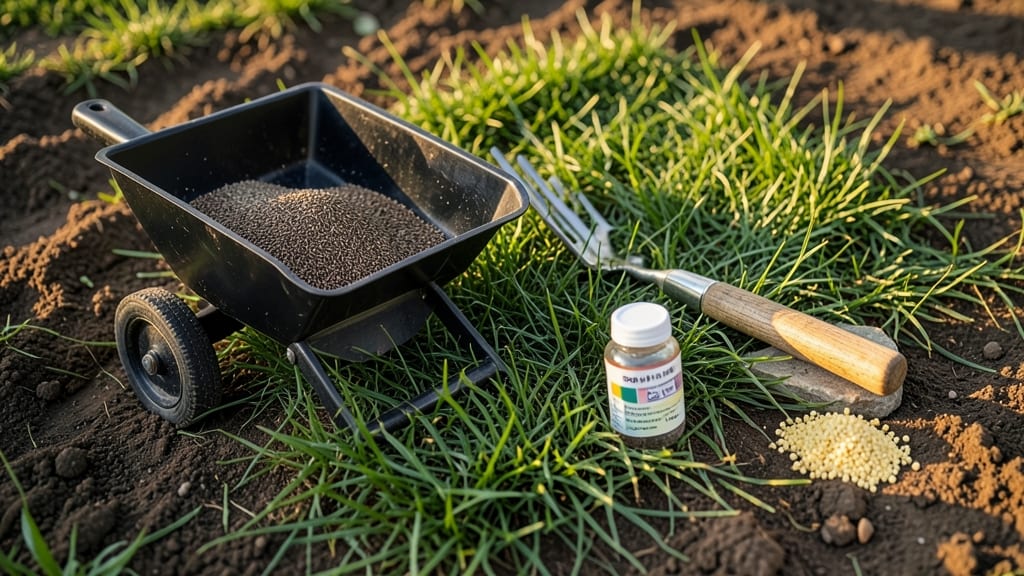
Planting grass seed in Seattle requires timing it right—cool-season turfgrass thrives when planted between September and October or March and April, avoiding the city’s chilly winters and scorching summers.
Seattle’s unpredictable weather can make timing your grass seed planting tricky—plant too early and face frost damage, too late and risk summer drought.
Here’s the key: cool-season grass needs soil temperatures between 45°F and 65°F to germinate properly. That means skipping the heat of July and the deep freeze of January.
Below, I’ll break down the exact frost-free deadlines, soil prep tips for Seattle’s clay-heavy dirt, and how to adjust your schedule if you’re in a microclimate like the Eastside or West Seattle.
Seattle’s ideal grass seed planting window: cool-season rules
Seattle’s cool-season climate creates a narrow but crucial window for planting grass seed. Unlike warmer climates, we can’t plant year-round—timing is everything to avoid frost damage or summer drought stress.
The sweet spot? Late summer to early fall, when temperatures hover between 45°F and 65°F—perfect for seed germination and root establishment.
Cool-season grasses like Kentucky bluegrass and fescue thrive in these conditions, but Seattle’s microclimates complicate things. The Eastside (e.g., Bellevue) stays warmer longer, while West Seattle (e.g., Ballard) cools faster. Understanding your zone’s last frost date (typically November 15) ensures your lawn gets a head start before winter dormancy.
Here’s the golden rule: Plant 4–6 weeks before the first frost. For Seattle, that means mid-September to early October. This timing gives seeds time to germinate and develop roots before winter slows growth.
Late summer (August) is a secondary window if you’re repairing a lawn, but expect more maintenance during hot spells.
Why not spring? While spring planting works, Seattle’s spring rains can wash away seeds, and weeds compete aggressively for space. Fall planting avoids these pitfalls by leveraging cooler temps and consistent moisture—ideal for uniform germination.
| Planting Window | Ideal Temperature | Seattle Microclimate Notes | Key Risks |
|---|---|---|---|
| Late August – Early September | 60–75°F | Eastside (warmer); West Seattle (cooler) | Summer drought, weed competition |
| September 15 – October 15 | 45–65°F | Best for all zones; consistent moisture | Early frost (rare after Oct 15) |
| March 15 – April 15 | 40–55°F | Spring rains delay germination | Weed invasion, seed washout |
| November – December | Below 45°F | Frost kills new growth | No germination; avoid entirely |
Seattle’s USDA Zone 8a means we dodge harsh winters, but microclimates still play a role. For example, Ballard and West Seattle often see frost 2–3 weeks earlier than Kirkland or Redmond.
Check your local frost-free days (typically 165 days) to adjust planting dates. Use a soil thermometer to confirm temps are below 80°F before seeding in summer.
Pro tip: Test your soil’s pH (ideal: 6.0–7.0) before planting. Seattle’s clay-heavy soil can compact easily, so aerate 2–3 weeks before seeding. Top-dress with compost to improve drainage and nutrient retention—critical for cool-season grasses.
If you miss the fall window, late winter (March) is your next chance. However, spring planting requires vigilance: water daily to prevent seed washout and pre-emergent herbicide to block weeds. For Eastside lawns, extend the window to mid-October—their warmer microclimate delays frost.
Remember: Grass seed needs 10–21 days to germinate. Planting too close to frost (within 4 weeks) risks stunted growth. Use a lawn calculator to determine seed rates (typically 5–10 lbs per 1,000 sqft for cool-season blends) and cover seeds with straw mulch to retain moisture.
For shady lawns (common in Seattle’s evergreen-dotted neighborhoods), opt for fine fescue varieties, which tolerate 3–4 hours of sun. These grasses thrive in West Seattle’s filtered light but still need consistent moisture during establishment.
Seattle’s unpredictable weather demands flexibility. Monitor 10-day forecasts and adjust watering as needed—drought stress in summer or overwatering in fall can derail your lawn. With the right timing and care, your cool-season grass will establish a dense, resilient lawn by next spring. 🌱
Step-by-step planting timeline for Seattle’s frost-free zones
Seattle’s USDA Zone 8a climate means your grass seed must hit the ground at the right time—too early and frost will kill tender sprouts, too late and summer drought will stress young roots.
The ideal window is September through early October or March through April, with soil temperatures between 45°F and 65°F being critical for germination.
Local historical data shows first frost typically arrives November 15th, but microclimates like West Seattle can see frost 1-2 weeks earlier than the Eastside. Use this timeline to align your planting with Seattle’s 165 frost-free days, adjusting for your specific neighborhood’s patterns.
📅 Seattle Grass Seed Planting Timeline
- 🌱 August 15th - September 15th: Soil Prep – Test pH (6.0-7.0 ideal), loosen clay-heavy soil with a core aerator, and mix in 2-3 inches of compost to improve drainage.
- 🌱 September 1st - September 15th: Early Fall Planting – Plant cool-season grass seed (e.g., Kentucky Bluegrass or Fescue) when soil temps drop below 75°F. Water lightly daily to keep soil moist.
- 🌱 September 16th - October 15th: Peak Planting Window – Best time for full establishment before winter. Apply a starter fertilizer (high phosphorus) to encourage root growth.
- 🌱 October 16th - November 1st: Late Planting Adjustment – If planting late, choose hardy varieties like Tall Fescue and protect seedlings with row covers if frost threatens.
- 🌱 March 1st - April 15th: Spring Planting – Wait until soil warms above 45°F (test with a soil thermometer). Overseed thin areas or repair winter damage.
- 🌱 April 16th - May 15th: Post-Planting Care – Reduce watering to 2-3x weekly once grass reaches 3-4 inches. Avoid fertilizing until June to prevent summer stress.
Seattle’s clay soil can compact easily, so avoid walking on new seed until germination (typically 10-21 days). Use a light mulch (straw, not wood chips) to retain moisture and protect seeds from wind.
If your area saw an early frost (before November 15th), delay planting until soil warms again in spring.
For shady lawns (common in Seattle’s evergreen-dappled yards), choose fine fescue blends and plant in late summer to capitalize on residual soil warmth. Water deeply in the morning to prevent fungal issues from evening moisture.
Pro tip: Mark your calendar for September 15th as the last ideal deadline for fall planting. If you miss it, wait until March—but be ready to protect seedlings from spring rains that can wash seeds away. 🌱