
Plants
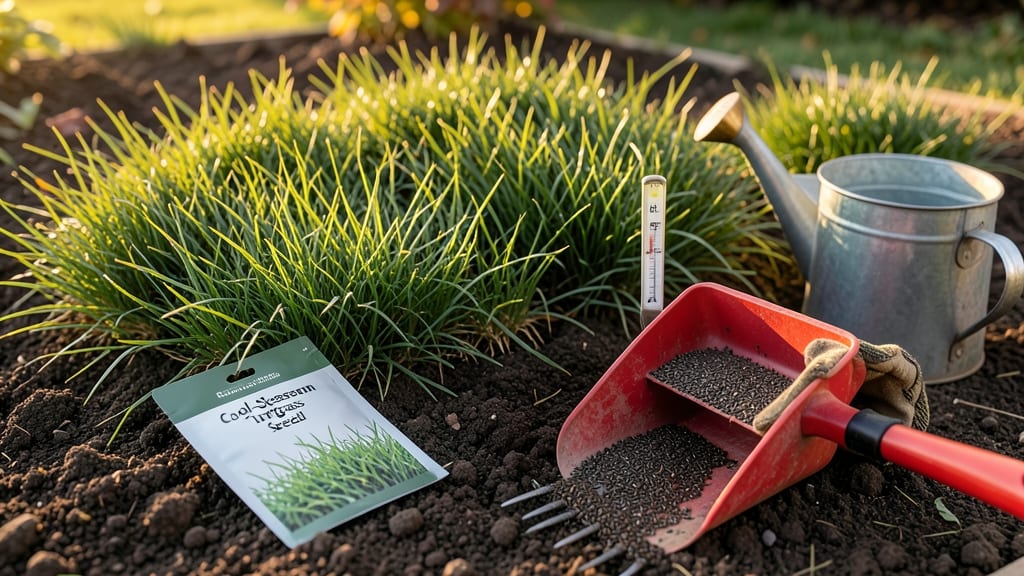
Planting grass seed in South Dakota means timing it right for strong roots before frost—aim for early spring or late summer when soil temps and moisture align.
South Dakota’s unpredictable climate demands precision timing for grass seed planting—get it wrong, and your lawn could struggle through harsh winters or miss peak growth windows. But with the right strategy, you can establish a lush, frost-resistant lawn that thrives year-round.
In zones 4a–5b, the best window is 4–6 weeks before the first frost, typically by mid-September, or in early spring when soil thaws. Late summer planting risks heat stress, while spring gives grass time to root before winter.
Below, I’ll break down the exact timing, soil prep tips, and regional tricks to ensure your 🌱 grass takes hold—no guesswork, just a green lawn by next summer.
Best planting windows for South Dakota grass seed: cool season timeline explained
South Dakota’s cool-season grasses like Kentucky bluegrass and tall fescue thrive when planted during specific windows to avoid winter dormancy struggles or summer heat stress. The ideal planting periods are early fall, late summer, and early spring—each offering unique advantages for root establishment before harsh conditions arrive.
Let’s break down the best times based on USDA zones 4a–5b and regional microclimates like Sioux Falls (zone 4b) versus Rapid City (zone 5a).
For early fall planting, aim for mid-August to early September when soil temperatures drop below 80°F but stay above 50°F. This gives seeds 4–6 weeks to germinate before first frost (mid-October to early November).
In Sioux Falls, cooler nights accelerate root growth, while Rapid City’s higher elevation may push planting slightly later. Soil prep is critical—loosen soil to 2–3 inches deep and ensure good moisture retention.
Late summer planting (early August) is riskier due to heat stress and drought conditions, but it works if you can keep soil consistently moist. This window is better suited for northern SD (zone 4a), where summers are shorter. Water deeply 2x daily until germination (7–14 days) to prevent seed desiccation. Avoid planting after mid-August—seeds may not establish roots before winter.
Spring planting (early April to mid-May) is your second-best option, but timing is tricky. Wait until soil temperatures reach 50°F and stay above 40°F for 7+ days.
In eastern SD (Sioux Falls), aim for late April; in western SD (Rapid City), early May is safer. Frost risk is higher in spring, so use lightweight row covers if late frosts occur.
Microclimates play a huge role in South Dakota. Urban areas like Sioux Falls experience heat islands that delay frost, while Rapid City’s rocky terrain drains faster, requiring extra mulch to retain moisture. Wind erosion is a threat in open fields—use straw mulch or temporary windbreaks until seeds germinate.
For shady lawns, opt for fine fescue, which tolerates 2–4 hours of sun daily.
If you miss the ideal windows, late fall planting (October) is possible but risky. Seeds may not germinate before frost, leaving your lawn vulnerable to winter kill.
Instead, focus on soil prep now—add compost and organic matter to improve drainage and fertility. Test soil pH (ideal: 6.0–7.0) and adjust with lime or sulfur as needed.
Pro tip: Overseeding in early fall (September) is perfect for repairing thin lawns. Spread 1/4 lb of seed per 100 sqft and water lightly daily until germination. Fertilize lightly with high-nitrogen (20-0-5) 4–6 weeks after planting to boost root growth before winter.
Avoid heavy feeding—it encourages top growth over root development.
For Rapid City garden
How to prepare your South Dakota lawn for grass seed success: soil, weather, and pre-planting checks
Before planting grass seed in South Dakota, focus on three critical factors: soil quality, weather timing, and seedbed preparation. The state’s USDA zones 4a–5b demand extra care—your lawn’s success hinges on these prep steps executed flawlessly.
Start with a soil test to check pH levels (ideal: 6.0–7.5) and organic matter (aim for 3–5%). South Dakota’s clay-heavy soils often need compost or peat moss to improve drainage and fertility. Test kits from local extension offices cost under $20 and save you from costly mistakes.
Monitor frost dates closely—plant 4–6 weeks before the first frost (typically by mid-September for most regions). Use the National Weather Service frost prediction tool to pinpoint your area’s exact window. Late summer planting risks heat stress on young seedlings.
🌱 When to Plant Grass Seed in South Dakota
Primary Window: Early fall (Aug–Sept) or early spring (April–May)
Soil Temp: 50–65°F (ideal for germination)
Frost Buffer: 6+ weeks before first frost
Rainfall: 1+ inch per week post-planting
Avoid: Late summer (heat stress) or winter (frost damage)
Clear existing weeds and debris with a broadfork or till to a depth of 4–6 inches. South Dakota’s windy conditions can scatter loose soil—secure edges with straw mulch or temporary fencing. For compacted areas, rent a core aerator to create channels for roots.
Level the seedbed with a rake or lawn roller to prevent low spots from pooling water. South Dakota’s spring thaws can create uneven terrain—address this before planting.
Spread a starter fertilizer (high in phosphorus) to boost early root growth, then lightly rake to create a fine, crumbly texture for seed contact.
Finally, track weekly rainfall or schedule morning watering (1–1.5 inches total) to keep soil consistently moist but not soggy. Use a rain gauge to monitor—South Dakota’s drought risks in summer mean overwatering is just as harmful as underwatering.