
Plants
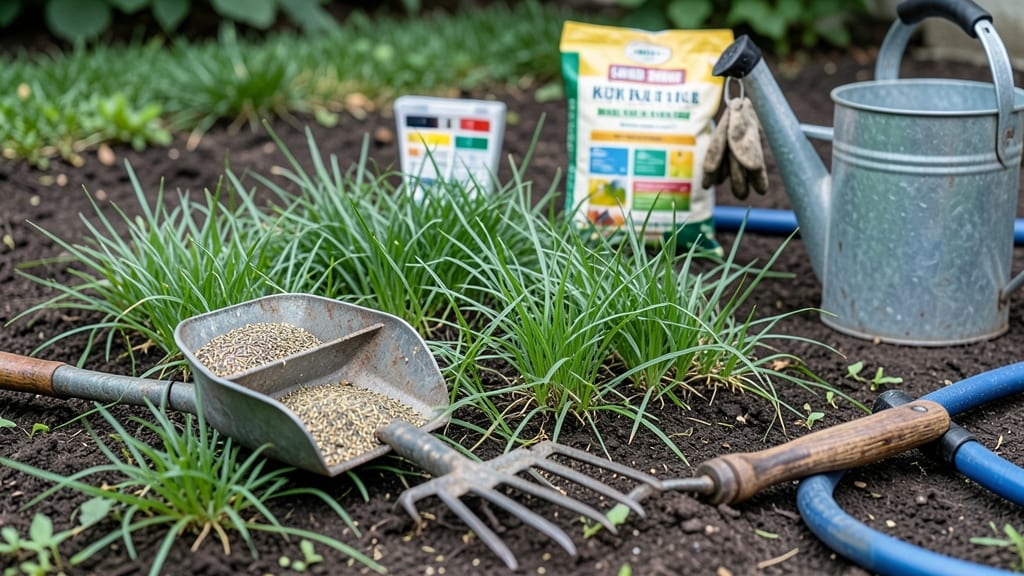
Planting grass seed in Iowa’s spring means timing it when soil hits 50°F and staying ahead of frost — a narrow window that makes all the difference for a fast, thick lawn.
Iowa’s unpredictable spring weather can leave even experienced gardeners guessing — plant grass seed too early and risk frost damage, too late and miss peak growing season. The right timing ensures your 🌱 sprouts take hold before summer heat arrives.
This guide breaks down the exact soil temperature deadlines by Iowa’s 4b-5a zones, plus how to prep your soil and pick the best seed varieties for your region.
You’ll learn how to avoid common pitfalls like uneven germination, moisture mismanagement, and the one shortcut that cuts establishment time in half.
Iowa spring grass planting deadlines by soil temperature zones
Getting your grass seed in the ground at the right time is crucial for Iowa gardeners. Cool-season grasses like Kentucky bluegrass and tall fescue need soil temperatures above 50°F to germinate properly.
Planting too early risks frost damage, while waiting too long means slower establishment before summer heat sets in. Iowa’s USDA zones 4a-5a create regional differences in ideal planting windows.
Most of Iowa experiences its last frost around mid-April, but soil warms at different rates depending on location. Northern areas (like zone 4a) may need to wait until late April, while southern regions (like zone 5a) can start as early as early April.
The key is monitoring soil temperature, not just air temperature—seed won’t sprout until the ground reaches that 50°F threshold consistently.
Here’s a breakdown of your planting deadlines by zone, including week-by-week windows to maximize germination success and avoid late frosts that can kill young seedlings.
For all zones, aim to plant 4-6 weeks before your area’s average last frost date. This gives seedlings time to establish roots before summer heat stress. In zone 4a, where frosts linger longer, delaying until late April reduces risk.
Meanwhile, zone 5a gardeners can start as early as early April if soil temps cooperate.
Use a soil thermometer to check depths of 2-4 inches—this is where seeds will germinate. If temps dip below 50°F at night, cover newly planted areas with lightweight row fabric until daytime warming resumes. This simple trick can save your seedlings from a sudden frost.
After planting, keep soil moist but not soggy—daily watering for the first 2 weeks is critical. Cool-season grasses need consistent moisture to germinate, but overwatering can lead to fungal issues. Aim for 1/4 inch of water per day, either from rainfall or gentle irrigation.
If you miss the spring window, don’t despair—fall planting (late August to early September) is also ideal for cool-season grasses. Just be sure to plant 6-8 weeks before your first frost date to allow for root establishment before winter dormancy.
This second chance often yields even healthier lawns than spring plantings.
Pro tip: Mix your grass seed with a starter fertilizer (like 10-20-10) at planting time. This gives young roots an immediate nutrient boost for faster establishment. Just avoid heavy fertilizers—too much nitrogen can burn tender seedlings.
By following these soil temperature guidelines and planting within your zone’s optimal window, you’ll give your new lawn the best possible start. Patience and preparation now mean a thicker, greener lawn come summer—without the frustration of replanting due to timing mistakes.
How to prepare Iowa soil for spring grass seed planting
Iowa’s clay-heavy soils can make spring grass seed planting challenging, but proper prep transforms compacted ground into fertile seedbeds. The key is balancing organic matter, pH adjustment, and proper tilling depth—all tailored to your specific microclimate.
Start by testing your soil pH (aim for 6.0-7.5), which Iowa’s clay often skews acidic. Use a home test kit or send a sample to your local Iowa State Extension office for precise results. Most cool-season grasses thrive in this range, but Kentucky bluegrass prefers slightly higher pH.
Once you confirm your pH, remove all debris and weeds—even small patches of creeping Charlie or dandelions can outcompete new grass. Mow existing grass short (but don’t scalp) and use a broadfork or rototiller to loosen soil 3-4 inches deep.
Iowa’s clay benefits from vertical tilling to break up compaction layers.
⚠️ Iowa Spring Planting Warning
Don’t plant grass seed in Iowa before mid-April—even if soil looks dry. Frost risk remains high, and seeds need consistent warmth (50°F+) to germinate. Check 7-day forecasts and wait until nighttime temps stay above 40°F for 3+ days. Late April is ideal for most of Iowa’s USDA zones 4b-5a.
Next, amend your soil with a 50/50 mix of compost and aged manure (like cow or horse). Iowa’s clay benefits from sand or perlite (20% of the mix) to improve drainage without overwhelming organic content.
Spread 1-2 inches of amendment over the tilled area, then lightly rake to 1 inch deep—this ensures seeds make direct contact with nutrients.
For fertilizer, use a starter blend with high phosphorus (P) (like 10-20-10) to encourage root growth. Apply ½ cup per 100 sq ft and lightly rake into the top ½ inch of soil. Avoid nitrogen-heavy fertilizers at planting—they promote leafy growth over roots, which weakens new seedlings.
Finally, create a smooth, firm seedbed by dragging a lawn roller (or even a board) over the area. This ensures seed-to-soil contact, which is critical for germination in Iowa’s dry springs.
Water lightly afterward to settle the soil, then cover with straw mulch (not wood chips) to retain moisture and protect seeds from wind or bird damage.
With your soil prepped, you’re ready to sow seeds within 24 hours—just be sure to keep the area consistently moist (not soggy) for the first 3-4 weeks until germination occurs. Patience here pays off with a thick, uniform lawn by summer. 🌱