
Plants
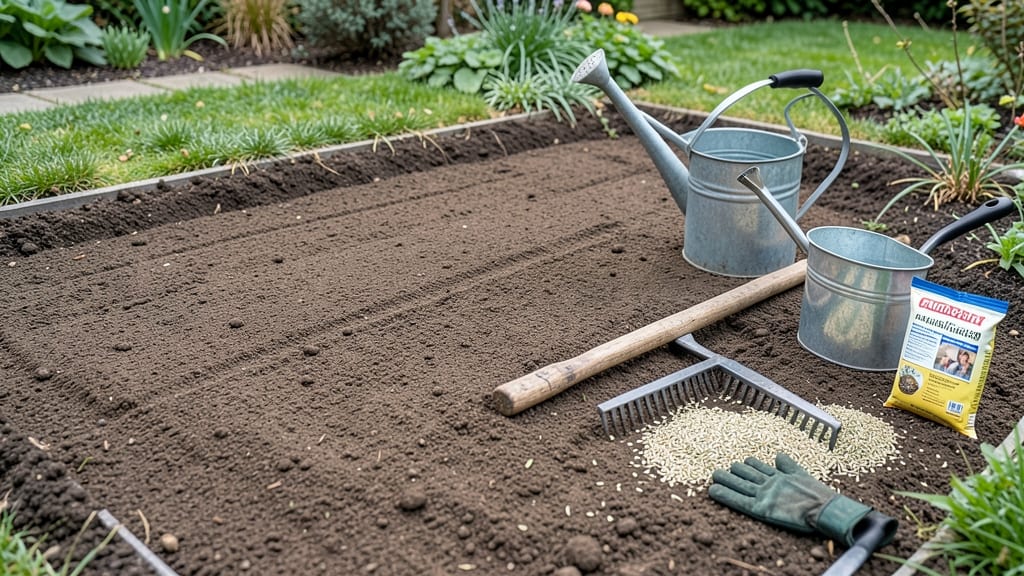
Planting grass seed in spring in Ontario at the right time means the difference between a lush, green lawn and months of frustration.
Timing your grass seed planting in Ontario’s unpredictable spring climate can mean the difference between a lush green lawn and months of patchy brown spots. Get it right, and your lawn thrives—get it wrong, and you’ll waste seeds and money.
Ontario’s 5a-6b climate zones demand precise timing: soil must warm to at least 50°F (10°C), and the last frost should be weeks behind you. Plant too early, and frost will kill tender seedlings; too late, and summer heat stresses them before roots take hold.
In this guide, I’ll break down the exact 4-week planting window for Southern vs. Northern Ontario, plus soil prep tips and post-planting care to ensure your grass seed germinates strong—and stays that way.
Ontario’s ideal soil temperature & frost-free window for planting grass seed
Getting your grass seed timing right in Ontario isn’t just about avoiding frost—it’s about hitting the ideal soil temperature range of 45-55°F (7-13°C). Most seeds need this warmth to germinate properly, and planting too early can leave them vulnerable to late frosts.
Meanwhile, waiting too long risks drought stress or weed competition. Let’s break down the science so you can plant with confidence this spring.
Ontario’s climate varies dramatically between its Southern and Northern regions, with frost-free dates shifting by weeks. Southern Ontario (like Toronto or London) typically sees its last frost around mid-May, while Northern Ontario (e.g., Sudbury or Thunder Bay) can linger until late May or early June.
These differences mean your planting window isn’t one-size-fits-all—adjusting for your zone is key to success.
Here’s the critical data you need to plan your planting schedule, including soil temperature thresholds, frost-free dates, and the best time to sow for maximum germination rates. Use this as your guide to avoid common pitfalls like seed rot or poor establishment.
⚠️ NON-NEGOTIABLE: Always check your local Environment Canada frost forecasts 1-2 weeks before planting. Even a few degrees can make the difference between a thriving lawn and wasted seeds.
For Southern Ontario, the 4-week window from late April to early June is your best bet. This aligns with soil warming to 45°F (7°C) or higher, which is critical for cool-season grasses like Kentucky bluegrass or fescue.
If you’re in Toronto or Hamilton, aim to plant by May 15 to avoid late frosts that can kill young seedlings.
In Northern Ontario, where winters are harsher, wait until the soil reaches 50°F (10°C)—this usually happens in mid-May. Tall fescue and perennial ryegrass are better choices here because they tolerate cooler soils.
Planting too early risks seed rot from lingering moisture, while waiting too long can lead to drought stress as summer approaches.
Pro tip: Use a soil thermometer to check temperatures at a 4-inch depth. This is the depth where most grass seeds germinate, and it’s often 5-10°F cooler than surface temps. If your soil is still below 45°F (7°C), hold off planting—even if the air feels warm.
Don’t overlook the fall planting window either! Late summer to early fall (August-September) is another great time to sow grass seed in Ontario. The soil stays warm longer, and cooler air reduces water evaporation, giving seeds a better chance to establish before winter.
Just be sure to plant at least 6-8 weeks before the first frost.
If you’re unsure about your local frost dates, sign up for Environment Canada’s Alerts service or check their historical frost data for your city. This free resource can save you from costly mistakes.
For example, London, Ontario averages its last frost on May 12, while Sault Ste. Marie doesn’t see its last frost until May 28—a difference of over two weeks!
Remember: Grass seed needs moisture to germinate, but too much rain can wash seeds away or cause soil compaction. If forecasts call for heavy rain, consider using a starter fertilizer with wetting agents to help seeds stay in place and absorb water efficiently.
Step-by-step spring planting timeline: when to sow grass seed by Ontario zone
Ontario’s spring weather is famously unpredictable, but your grass seed planting window is actually quite precise. For Southern Ontario (Zones 6-7), aim to sow seeds between mid-April and mid-May, while Northern Ontario (Zones 4-5) gardeners should wait until late May to early June.
This 4-week window ensures soil stays warm enough for germination while avoiding late frosts.
Your soil temperature is the key factor—wait until it reaches 50°F (10°C) at a depth of 2-3 inches. In Southern Ontario, this typically happens by late April, but Northern regions may need to wait until June.
Use a soil thermometer to check; if it’s cooler, delay planting to prevent seed rot.
Here’s your step-by-step planting timeline broken down by region, including pre-planting prep and post-sowing care to avoid common mistakes like bird predation or drought stress.
-
Step 1: Test soil & prep (2-3 weeks before planting)
Use a soil thermometer to confirm 50°F (10°C) at 2-3" depth. Loosen soil with a rake, remove debris, and add compost for nutrients. -
Step 2: Choose seed type by zone
Southern Ontario (6-7): Kentucky Bluegrass or Tall Fescue (germinates faster in warm soil). Northern Ontario (4-5): Fine Fescue or Perennial Ryegrass (tolerates cooler soil). -
Step 3: Sow seeds (4-week window)
Southern Ontario: Mid-April to mid-May. Northern Ontario: Late May to early June. Spread seed evenly at 5-8 lbs per 1,000 sq ft for full coverage. -
Step 4: Protect seedlings (first 2 weeks)
Cover with straw mulch (1/4 inch thick) to retain moisture and deter birds. Water lightly daily to keep soil damp but not soggy. -
Step 5: Deep water & fertilize (3-4 weeks after sowing)
Water 1 inch per week (morning only). Apply starter fertilizer (high nitrogen) to encourage root growth. Avoid heavy foot traffic for 6-8 weeks.
After sowing, consistent moisture is critical—water deeply twice daily for the first week, then taper to 1 inch per week. Use a lightweight sprinkler to avoid dislodging seeds. If birds become a problem, scatter birdseed nearby to distract them or use netting over the area temporarily.
Once seedlings reach 3-4 inches tall (about 4-6 weeks post-planting), you can mow lightly with a sharp blade set to 3-4 inches. This encourages root growth and prevents weak stems.
In Southern Ontario, your first mow may happen as early as June, while Northern regions might delay until July.
By following this timeline, your grass will establish a dense root system before summer heat sets in, giving you a lush, resilient lawn by late summer. The key is patience—rushing leads to patchy growth, but timing it right ensures a thriving lawn for years. 🌱